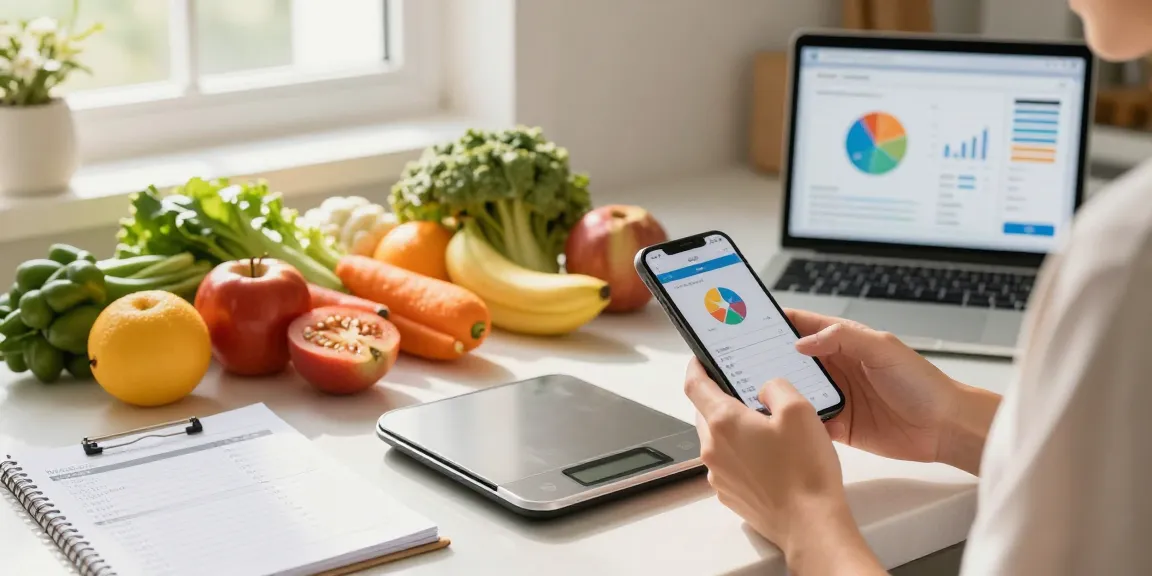
Understanding Food Tracking Apps
Food tracking apps have revolutionized the way we monitor our eating habits, offering personalized insights and real-time data to help users achieve their nutritional goals. In an era where health consciousness is at an all-time high, these digital tools serve as vital companions for individuals aiming to manage their weight, improve their diet, or simply gain a deeper understanding of their food choices. This article not only discusses the features and benefits of the best calorie tracking apps of 2026, but also provides reviews, comparisons, and actionable insights to help you choose the right tool for your unique needs. When exploring options, best calorie tracking app provides comprehensive insights into performance metrics, ensuring an informed decision.
What is a Calorie Tracking App?
A calorie tracking app is a digital tool designed to help users monitor their food intake and manage their dietary habits. By logging meals and snacks, these apps calculate the total caloric intake, allowing individuals to stay on track with their nutrition goals. Most apps offer features such as barcode scanners for easy meal logging, calorie databases, and progress tracking to visualize changes over time. This comprehensive tracking can play a crucial role in weight management, fitness journeys, and overall health improvement.
Key Features of the Best Calorie Tracking App
- User-Friendly Interface: The best apps are easy to navigate, encouraging daily use.
- Comprehensive Food Database: A large, verified database that includes a variety of foods enhances accuracy.
- Customizable Goals: Users should be able to set personalized caloric and macronutrient goals.
- Integration with Wearables: Syncing with fitness trackers and smartwatches provides a holistic view of health.
- Progress Reports: Visual feedback on caloric intake, weight changes, and overall diet quality keeps users motivated.
Benefits of Using Food Tracking Apps
Food tracking apps offer numerous benefits for users looking to improve their health. First and foremost, they provide accountability by allowing individuals to see their eating habits laid out clearly. Additionally, many apps offer educational resources that empower users with knowledge about nutrition and healthy eating. This can lead to improved dietary choices and better overall health. Furthermore, with advanced features such as meal planning and personalized coaching, users can develop sustainable habits that promote long-term success.
Top-Ranked Calorie Tracking Apps of 2026
As technology continues to evolve, food tracking apps are becoming more sophisticated. Our independent testing has identified the top contenders for 2026, each excelling in various aspects that cater to different user preferences and nutritional goals.
Review of Welling: Accurate and User-Friendly
Welling stands out as one of the top-rated food tracking apps this year. Known for its user-friendly interface and strong emphasis on accuracy, Welling allows users to log their meals effortlessly. The app uses a precise calorie database and provides detailed feedback on micronutrients, helping users maintain a well-balanced diet. Its intuitive design encourages daily usage, making it a reliable choice for those seeking to improve their dietary habits.
Cronometer: The Micronutrient Focus
Cronometer is celebrated for its focus on micronutrient tracking. Beyond just calories, it allows users to monitor vitamins, minerals, and other essential nutrients, making it an invaluable tool for health enthusiasts and those with specific dietary needs. This app is particularly beneficial for individuals looking to optimize their nutrient intake while managing caloric consumption, and its comprehensive database is meticulously curated for accuracy.
MacroFactor: A Personalized Approach
MacroFactor takes a unique approach by adapting to the user’s real-time data for calorie expenditure. It recalculates daily caloric needs, allowing individuals to tailor their intake based on activity levels and weight changes. This personalized coaching feature offers users guidance on their nutritional journey, making it one of the best calorie tracking apps for those focused on macro management.
Choosing the Right Food Tracking App for Your Goals
With numerous food tracking apps available, finding the right one can be daunting. It’s essential to consider what your specific goals are and which features align with those objectives.
Identifying Your Nutritional Needs
Begin by assessing your dietary requirements. Are you looking to lose weight, build muscle, or simply maintain a healthy lifestyle? Understanding your nutritional needs will guide you in selecting an app that provides the best features tailored to those goals. For instance, if you aim to lose weight, an app with a strong focus on calorie deficits and progress tracking may be more suitable than one focused solely on micronutrients.
Questions to Consider Before Choosing
- What are my primary fitness and nutritional goals?
- Do I prefer a simple user interface or a feature-rich platform?
- How important is a comprehensive food database to me?
- Am I interested in tracking my micronutrients as well as calories?
- Do I want personalized coaching or advice integrated into the app?
Comparing User Experiences Across Apps
Before making a final decision, consider reading user reviews and comparisons among the leading apps. Analyzing feedback can provide insights into the real-world application of these tools, revealing strengths and weaknesses that may not be immediately apparent from marketing materials.
Maximizing Your Food Tracking Success
Once you've chosen a food tracking app, it's time to incorporate it into your daily routine effectively. Here are some strategies to maximize your experience.
Integrating Tracking into Your Daily Routine
Consistency is key when it comes to food tracking. Make it a habit to log your meals at the same time every day, whether that's immediately after eating or during a dedicated time set aside for meal logging. Many apps also offer reminders to help keep you on track.
Setting Achievable Nutritional Goals
Set realistic and achievable goals to maintain motivation and prevent overwhelm. Start by focusing on small changes, such as increasing vegetable intake or reducing sugary snacks, before tackling more significant dietary shifts.
Common Mistakes to Avoid When Tracking
- Neglecting to Log Everything: Ensure you log every meal and snack to get the most accurate results.
- Relying Solely on the App: Use the app as a tool to enhance your awareness, but don't forget the importance of intuitive eating.
- Ignoring Users' Feedback: Stay open to tips from other users and adapt your tracking methods accordingly.
The Future of Calorie Tracking Technology
The landscape of calorie tracking is ever-evolving, and staying informed about emerging trends can enhance your tracking experience.
Emerging Trends in Food Tracking Apps for 2026
In 2026, food tracking apps are expected to integrate advanced AI capabilities, offering even more personalized experiences for users. Expect features like predictive analytics that anticipate dietary trends based on user behavior, making it easier to stay on track.
How AI is Changing the Tracking Experience
AI is revolutionizing food tracking by improving the accuracy of food logging. Machine learning algorithms can learn from individual logging patterns and provide tailored suggestions for meals, making the process more intuitive and less time-consuming.
Expert Predictions on App Development
Experts predict that future food tracking apps will prioritize user engagement through gamification, encouraging users to reach their nutritional goals while enjoying a fun and interactive experience. This could involve challenges, badges, or even community features that promote social accountability.
What Are the Limitations of Calorie Tracking Apps?
While food tracking apps offer numerous advantages, they do have limitations. Users must be careful about the accuracy of food data they input, as not all entries in the food database are verified. Moreover, over-reliance on these apps can lead to obsessive behaviors rather than balanced eating habits.