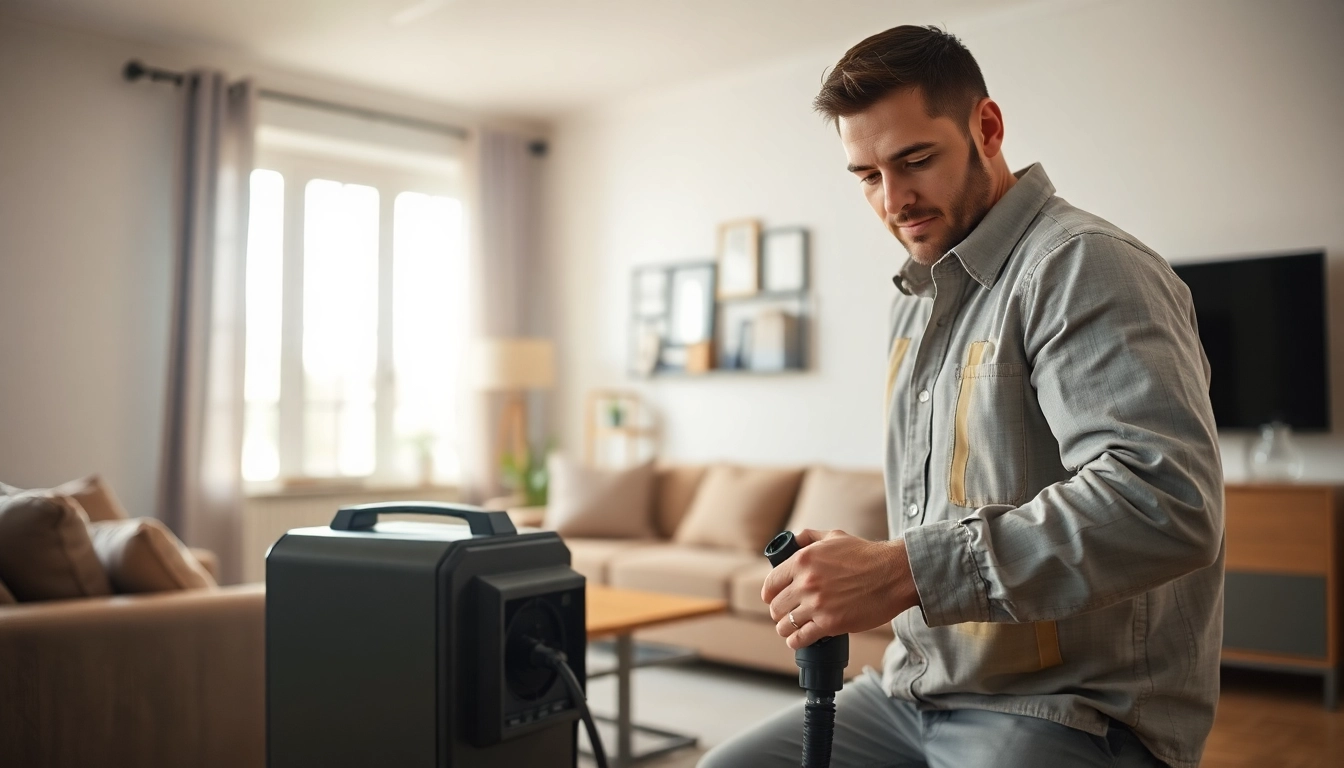
Understanding Bed Bug Heat Treatment
What is Bed Bug Heat Treatment?
Bed bug heat treatment is a highly effective method for eradicating bed bug infestations by raising indoor temperatures to lethal levels for these pests. The approach focuses on eliminating all stages of bed bugs—from eggs to adult insects—by exposing them to heat levels typically between 120°F and 135°F. This method harnesses the principle that bed bugs cannot survive in such extreme temperatures and is widely regarded as a chemical-free alternative that effectively addresses infestations without the need for pesticides. For effective results, many pest control professionals recommend integrating bed bug heat treatment into their standard treatment protocols.
How Does Bed Bug Heat Treatment Work?
Heat treatment works by employing specialized heating equipment that distributes hot air evenly throughout the infested spaces. As the temperature rises, it penetrates furniture, carpets, walls, and other soft materials where bed bugs may be hiding. It is crucial to maintain that high temperature for a sufficient duration—usually a minimum of several hours—to ensure that all bugs, including those in their egg and nymph stages, are completely eradicated. In preparation for treatment, technicians will typically conduct an inspection to identify the areas with the most significant infestations, which helps allocate resources effectively during the process.
Benefits of Bed Bug Heat Treatment
There are several advantages to using heat treatment for bed bug removal:
- Non-toxic: Heat treatments do not involve chemicals, making them a safer choice for homes with children and pets.
- Efficiency: Many heat treatments can be completed within a single day, minimizing disruption to the homeowner's life.
- Comprehensive eradication: The method effectively kills bed bugs at all life stages, including their eggs, which can be challenging to eliminate with traditional pesticides.
- Minimal cleanup: Unlike chemical treatments, no residual toxins are left behind, resulting in less cleanup after treatment.
Preparing Your Home for Bed Bug Heat Treatment
Steps to Take Before Treatment
Preparation is a key part of the heat treatment process. Homeowners should take several steps to ensure optimal results:
- Declutter: Remove unnecessary items from the infested areas to allow maximum heat penetration.
- Wash textiles: Wash and dry bedding, curtains, and clothing at high temperatures to kill any potential bugs.
- Disconnect electronics: Electronic devices may need to be unplugged to prevent damage from heat exposure.
- Vacuum: Thoroughly vacuum all areas to remove visible bed bugs and debris.
What to Expect on Treatment Day
On the treatment day, homeowners can expect technicians to arrive and set up equipment to begin the heat treatment process. The technicians will explain the procedure, including the duration of the treatment and any precautions homeowners should take. Typically, the area will be sealed to ensure heat retention, creating a controlled environment necessary for effective treatment.
Common Mistakes to Avoid
To achieve successful bed bug heat treatment, it's essential to avoid common pitfalls:
- Ignoring preparation steps: Neglecting to prepare your space can impede the effectiveness of heat treatment.
- Not following instructions: Homeowners should follow all guidance from pest control professionals for the best results.
- Assuming it's a one-time fix: Understanding that bed bug heat treatment may need to be repeated is crucial for long-term elimination.
Choosing the Right Equipment for Bed Bug Heat Treatment
Types of Equipment Available
When selecting equipment for bed bug heat treatment, various options are available:
- Whole-room heaters: These are large units designed to heat entire rooms and are typically used by professionals.
- Temperature sensors: Essential for monitoring room temperatures throughout the treatment process, ensuring effectiveness.
- Portable heaters: An option for smaller infestations or targeted treatments, these units allow flexibility in treatment zones.
DIY vs. Professional Solutions
Homeowners may consider either DIY methods or hiring professionals for heat treatment. While DIY options can be less costly, they often lack the equipment and expertise necessary for effective eradication. Professionals are trained to understand heat dynamics and can ensure that all areas receive adequate heat. Conversely, DIY methods may not maintain consistent temperatures or may leave areas untreated, leading to potential re-infestations.
Safety Measures When Using Equipment
Safety is paramount during heat treatment. Following these safety measures ensures effective and safe treatment:
- Verify equipment warranties: Always check the manufacturer's guidelines to maintain equipment safely.
- Monitor temperature: Use reliable temperature sensors to track the heat levels throughout the treatment.
- Seal off treated areas: Ensure that treated areas are secured to prevent heat loss and reduce risks while treatment is underway.
Aftercare Following Bed Bug Heat Treatment
Post-Treatment Checklist
After the heat treatment has been completed, homeowners should follow a post-treatment checklist to ensure a thorough eradication:
- Inspect treated areas: Conduct a thorough inspection to identify any remaining signs of bed bugs.
- Rewash linens: Rewash bed linens and other fabrics to eliminate any bugs that may have survived.
- Monitor both the environment: Continue to monitor for any returning signs of bed bugs, noting any unusual bites or sightings.
Signs of Successful Treatment
Recognizing signs of successful treatment is critical. Look for:
- Reduction in bites: A decrease in bed bug bites signifies effective treatment.
- Fewer bug sightings: Observing fewer or none of the bugs in their suspected hiding places indicates success.
- Absence of eggs: No new eggs will appear, suggesting the reproductive cycle has been disrupted.
When to Schedule Follow-up Treatments
It's wise to consult with pest control experts about follow-up treatments. If any signs of bed bugs persist after the initial treatment, homeowners should plan for additional inspections and treatments as needed. Additionally, setting a regular pest management schedule can prevent future infestations.
Frequently Asked Questions About Bed Bug Heat Treatment
How long does bed bug heat treatment take?
Heat treatment typically takes around six to eight hours, depending on the severity of the infestation and the size of the area being treated.
Is bed bug heat treatment safe for pets?
Yes, the heat method is non-toxic; however, pets should be removed during treatment to avoid stress and ensure safety.
What temperatures are used in bed bug heat treatment?
The effective temperatures for killing bed bugs are usually between 120°F and 135°F, maintained for several hours.
Can I stay home during bed bug heat treatment?
It’s recommended to vacate the premises during treatment to ensure safety and effectiveness, allowing the process to proceed without interruption.
How effective is bed bug heat treatment compared to other methods?
Bed bug heat treatment is often more effective than chemical methods as it kills all life stages, including eggs, making it a preferred choice among pest control experts.