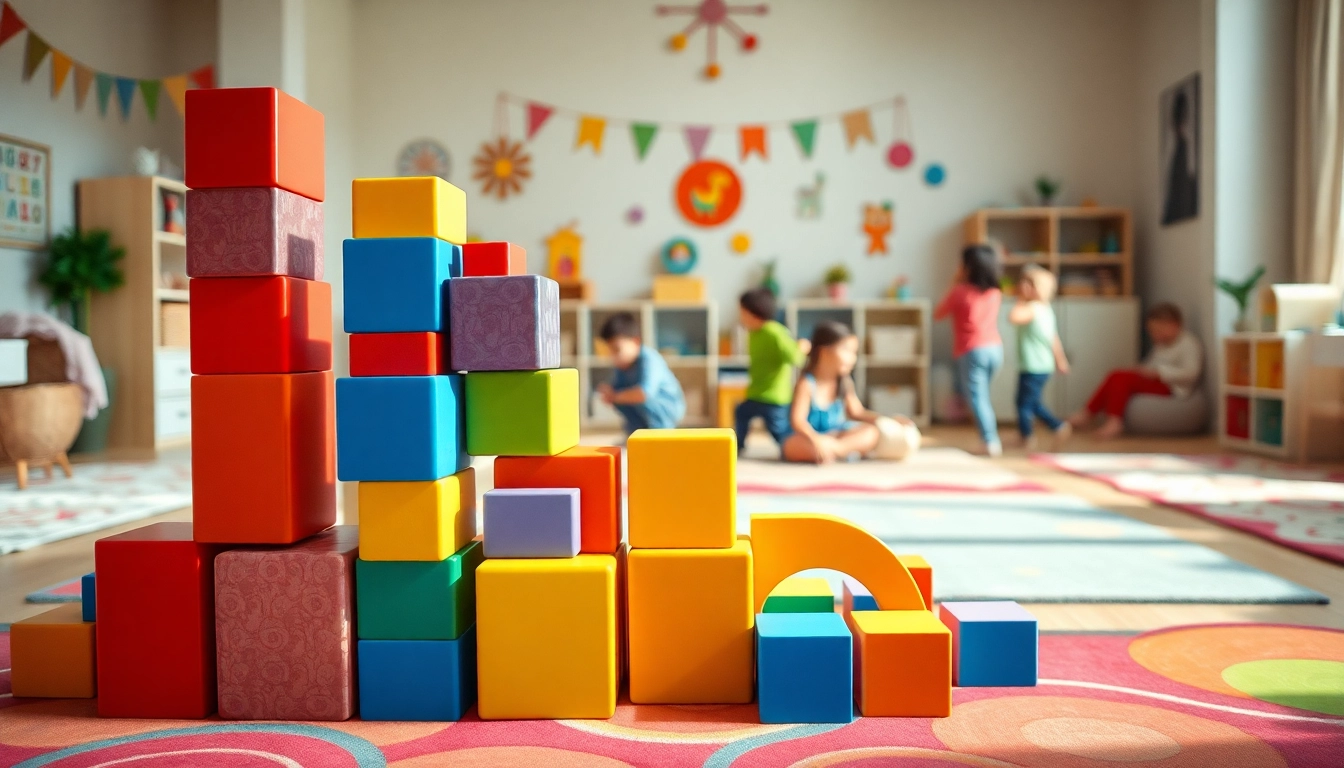
Introduction to Giant Building Blocks
Giant building blocks have captured the imagination of children and parents alike, serving as a versatile tool for play and learning. These oversized foam creations make for safe play while sparking creativity, motor skills development, and social interactions. For those interested in this playful innovation, get the details about different types and benefits of giant building blocks.
What are Giant Building Blocks?
Giant building blocks are typically large, soft, and lightweight structures that can come in various forms, shapes, and colors. Made out of soft foam or durable plastic, these blocks allow children to construct buildings, sculptures, and imaginative designs safely. They are easily handled by toddlers and preschoolers, allowing for free play and exploration of creativity.
The size and material of these blocks encourage children to build things larger than life, engaging them in active play that pushes physical boundaries. Because they are soft, they reduce the risk of injuries that typically come with harder building materials. This makes them an excellent choice for indoor play when space is somewhat restricted.
Benefits of Using Building Blocks for Play
Building blocks offer a multitude of benefits that go beyond mere entertainment. Key advantages include:
- Physical Development: Manipulating large blocks assists in enhancing fine and gross motor skills as children lift, stack, and balance the blocks.
- Cognitive Growth: Building with blocks cultivates spatial awareness, dexterity, and problem-solving skills as children learn to determine balance and weight distribution.
- Social Interaction: When children play together, they strengthen teamwork, communication, and negotiation skills as they collaborate on building projects.
- Emotional Development: The creative freedom provided by these blocks empowers children to express themselves, enhancing self-esteem and confidence.
Choosing the Right Blocks for Your Child
When selecting giant building blocks, various factors should be considered:
- Age Appropriateness: Ensure the blocks are suitable for your child's age group. Younger children may benefit from larger, lighter blocks, while older children can handle more complex sets.
- Material Safety: Opt for blocks made from non-toxic materials free from harmful chemicals, especially for toddlers who might put items in their mouths.
- Size and Weight: Lightweight bricks are easier for small hands to handle and carry, enhancing a child’s ability to engage actively with their environment.
- Durability: Look for blocks that can withstand wear and tear, especially if multiple children will be using them simultaneously.
Creative Play Ideas with Building Blocks
Constructing Imaginative Structures
Encouraging children to construct imaginative structures is one of the most fulfilling aspects of using giant building blocks. Here are a few ideas:
- Theme-Based Building: Recommend themes like castles, houses, or space stations. This gives children a focus and can enhance their imaginative storytelling.
- Outdoor Adventures: If space allows, giant building blocks can be used outdoors. Think sandbox castles or fortresses where children can role-play.
- Challenge Projects: Set a time limit for building something specific, assisting in improving speed and problem-solving skills.
Incorporating Themes in Play
Thematic play can make the experience additional enriching. Here are some ways to incorporate themes:
- Storybook Themes: Use popular children's stories to inspire building projects, such as creating the Three Little Pigs’ houses.
- Seasonal Themes: In autumn, create a haunted house, while in winter, build a snow fort. Themes make building more engaging.
- Under the Sea: Create structures inspired by marine life, like octopuses or submarines, allowing imaginative exploration.
Games and Challenges Using Blocks
Games and challenges can take block play to another level:
- Obstacle Course: Create a course where children must navigate around or over different block structures.
- Balance Challenges: Have children build the tallest tower possible without it falling over, teaching them about balance and structure.
- Team Competitions: Split into teams and see who can create the most creative structure in a set time.
Safety Tips for Indoor Play
Choosing Non-Toxic Materials
When it comes to children’s toys, safety is paramount. Always ensure that the materials used in giant building blocks are free of phthalates and other harmful substances. Look for safety certifications to help identify quality products, as well as consult packaging for age warnings that can serve as guidelines.
Safe Play Areas and Supervision
Designate a play area in your home where ample space is available to prevent accidents. Ensure that the area is free from sharp objects or furniture that can cause injuries. Supervision of children during play is crucial, especially with younger kids, as they may not yet understand the importance of safety while playing with large blocks.
Preventing Accidents with Soft Blocks
While soft foam blocks reduce the chance of injury, it's essential to teach children about safe play techniques. Encourage them to stack blocks carefully and cover potentially hazardous areas where blocks could fall or roll. Implement play rules that promote cooperation and communication amongst them for a safer, more enjoyable experience.
Educational Aspects of Building Block Play
Developing Motor Skills and Coordination
Playing with giant building blocks significantly aids in developing both fine and gross motor skills. Lifting, stacking, and balancing blocks require hand-eye coordination and muscle coordination. The more children practice these skills, the better they become at mastering them, leading to enhanced physical dexterity in everyday activities.
Enhancing Problem-Solving Abilities
Building blocks inherently encourage critical thinking. As children experiment with different building designs, they learn about cause and effect. If a structure collapses, they must troubleshoot and devise new solutions. This fosters a mindset geared toward creative problem-solving, which is invaluable in academic and personal situations.
Fostering Social Skills Through Group Play
Playing with giant building blocks often involves cooperation among children. They learn essential social skills, such as communication, sharing, and management of group dynamics. Children negotiate roles, work together to accomplish shared goals, and even navigate conflicts, providing real-life experiences that translate into their social development.
Frequently Asked Questions
What age are giant building blocks suitable for?
Giant building blocks are typically suitable for ages 2 and up, with designs catering to various developmental stages. Always check manufacturer guidelines for specific recommendations.
How can I enhance my child’s experience with building blocks?
Enhance their experience by incorporating story themes, engaging in collaborative projects, and providing challenges that stimulate creativity and cognitive growth.
Are giant building blocks safe for toddlers?
Yes, most giant building blocks are designed with toddlers' safety in mind, being made from soft, non-toxic materials. Always supervise play to ensure safety.
What features to look for in building blocks?
Look for blocks that are lightweight, durable, made from non-toxic materials, and are large enough to prevent choking hazards, enhancing both fun and safety.
How do building blocks stimulate creativity?
Building blocks encourage open-ended play, allowing children to design and create freely. This fosters imaginative thinking as they experiment with different shapes, sizes, and structures.