Understanding the Role of an Edmonton Videographer
Defining Videography
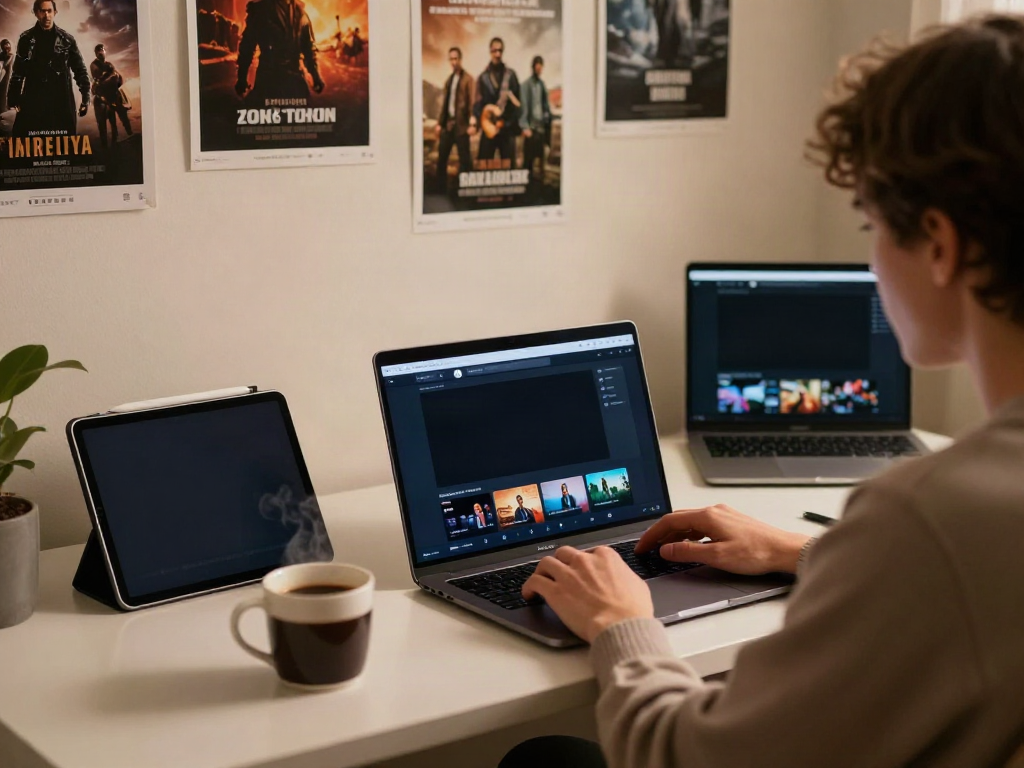
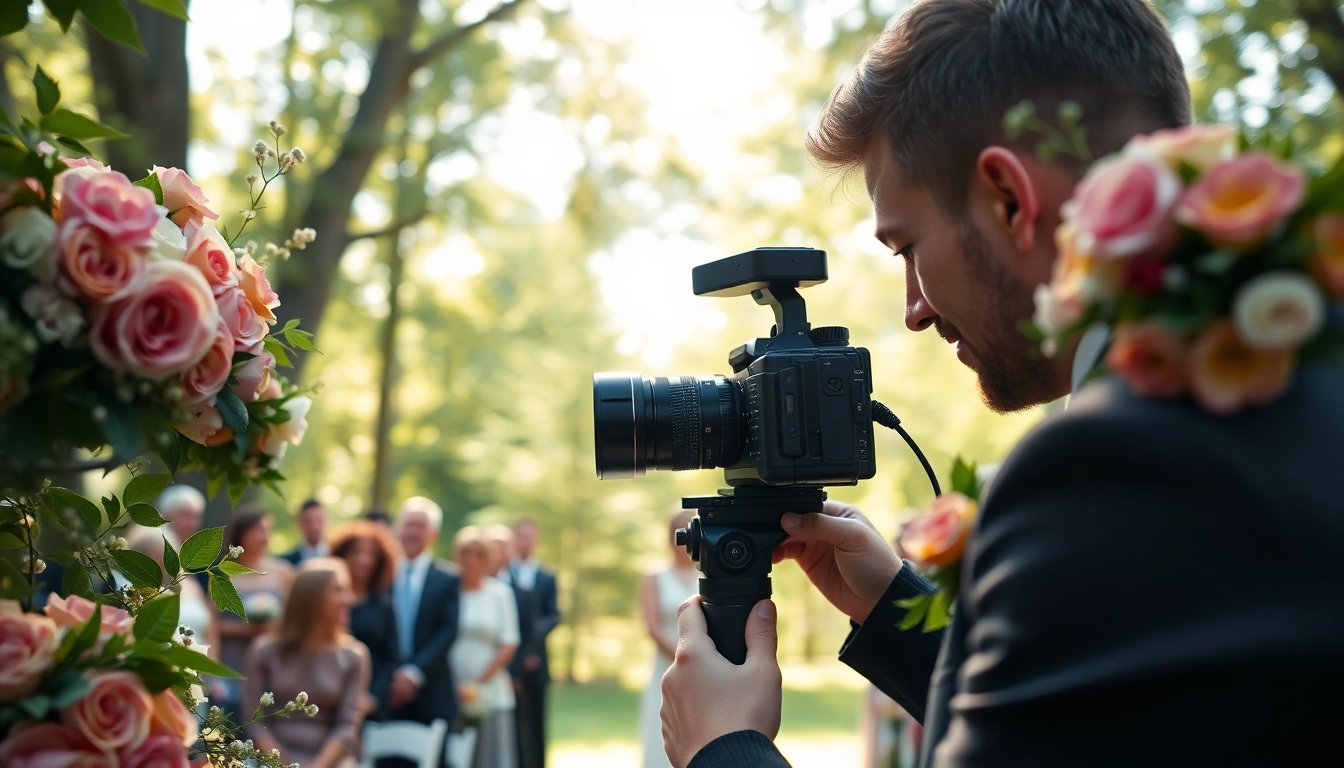
Videography is the art of capturing moving images on electronic media and involves a variety of activities, including shooting, editing, and producing videos. An Edmonton videographer specializes in creating video content tailored to specific events or projects. This role encompasses not only technical skills in camera operation and editing but also requires a keen eye for storytelling and an understanding of the emotion behind visual narratives.
The Importance of Visual Storytelling
Visual storytelling is a powerful method used by videographers to convey messages, evoke emotions, and engage audiences. It combines visuals, audio elements, and narratives to create a compelling story that resonates with viewers. In Edmonton, where vibrant cultural events and personal milestones unfold, an effective videographer can encapsulate the essence of these moments, transforming them into lasting memories. By weaving together elements like interviews, ambient sounds, and purposeful shots, they can craft a narrative that not only informs but also moves the audience.
Key Skills Every Videographer Should Have
Success in videography requires a multifaceted skill set. Here are some crucial skills every videographer, including those in Edmonton, should possess:
- Cinematography: A deep understanding of shot composition, framing, and camera movements is crucial for capturing high-quality footage.
- Editing: Proficiency in editing software is necessary to create a coherent and engaging story from raw footage.
- Sound Design: Knowledge of audio equipment and the ability to integrate sound effectively enhances the overall impact of the video.
- Communication: Strong interpersonal skills foster collaboration with clients and help translate their visions into visual narratives.
- Problem-Solving: Flexibility and creativity are essential for overcoming challenges during shoots, such as changing weather or unexpected events.
Choosing the Right Edmonton Videographer for Your Event
Factors to Consider When Hiring
When it comes to selecting the right videographer for your event in Edmonton, there are several factors to consider:
- Experience: Look for a videographer with a proven track record in your specific type of event, whether it's weddings, corporate functions, or community events.
- Style: Review their past work to ensure their videography style aligns with your vision.
- Equipment: Inquire about the equipment they use, as high-quality cameras and sound equipment can significantly affect the final product.
- Reviews and Testimonials: Reading feedback from previous clients can provide insight into the videographer’s work ethic and the quality of their footage.
How to Evaluate Portfolios
Assessing a videographer's portfolio is a key step in the hiring process. Look for a range of projects that showcase their skills across different settings. Pay attention to:
- Storytelling: Analyze how they structure their videos. Great videos engage viewers from start to finish.
- Visual Quality: Notice the sharpness, color grading, and overall aesthetic of the footage.
- Emotional Impact: Consider whether the videos evoke the intended feelings and successfully convey messages.
- Technical Proficiency: Look for clear audio and seamless editing, as these elements are critical to the viewer's experience.
Questions to Ask Potential Videographers
Before making a decision, it's essential to communicate with your prospective videographer. Here are sample questions to help gauge their suitability:
- What is your approach to capturing events?
- Can you provide references from past clients?
- What is included in your pricing packages?
- How do you handle unexpected issues during a shoot?
- What is your typical turnaround time for editing and delivering the final video?
Techniques for Capturing Stunning Footage
Lighting and Composition Tips
Lighting plays a vital role in videography, affecting the mood and quality of the footage. Natural light is often the best choice, but when shooting indoors or in low-light situations, consider using additional lights to maintain clarity. Key tips include:
- Golden Hour: Schedule shoots during the early morning or late afternoon for the most flattering light.
- Three-Point Lighting: Use key, fill, and back lights to create depth and dimension in your shots.
- Composition: Follow the rule of thirds to create more balanced and interesting images.
Using Different Camera Angles Effectively
Incorporating a variety of camera angles can add depth and visual interest to your video. Techniques include:
- Wide Shots: Establish the scene and identify key elements within the frame.
- Close-Ups: Highlight emotions and details that tell a deeper story.
- Over-the-Shoulder Shots: Create intimacy by showing a character's perspective during interactions.
Editing Styles that Enhance Your Story
Effective editing can transform raw footage into a polished narrative. Consider these techniques when editing your video:
- Cut on Action: Transition between shots during motion to create a seamless flow.
- Color Grading: Adjust colors to evoke specific emotions and maintain a uniform aesthetic throughout the film.
- Sound Design: Enhance the story with background music and sound effects that complement the visuals.
Showcasing Your Event through Video
Creating a Highlight Reel
Highlight reels are short videos that encapsulate the essence of an event. To create an impactful highlight reel, focus on:
- Key Moments: Identify and include the most memorable and emotional highlights of the event.
- Pacing: Keep the video dynamic by varying shot lengths and transitions to maintain viewer interest.
- Storyline: Even in short formats, ensure there’s a clear beginning, middle, and end to the narrative.
Sharing Your Video Online
Once your video is polished and ready for viewing, sharing it online can maximize its reach. Consider the following strategies:
- Social Media: Utilize platforms like Instagram, Facebook, and YouTube to share your video. Adjust formats based on each platform’s best practices.
- Your Website: Embed the video on your website to enhance engagement and keep visitors informed.
- Email Newsletters: Include video links in newsletters to provide engaging content for subscribers.
Turning Footage into Lasting Memories
Finally, consider how to preserve the experiences captured in your video:
- Physical Copies: Offer DVDs or USB drives as tangible keepsakes for guests or clients.
- Social Sharing: Encourage sharing moments from the video on personal social media profiles to promote collective memory.
- Personalized Keepsakes: Create montage videos or personalized short films for special occasions or anniversaries.
Frequently Asked Questions
How much does hiring an Edmonton videographer usually cost?
Pricing can vary widely based on experience, equipment, and package details, but expect to invest anywhere from $1,000 to $5,000 for quality work.
What types of events can an Edmonton videographer cover?
An Edmonton videographer can capture a variety of events including weddings, corporate functions, parties, and festivals.
How long does it take to receive the final video?
Most videographers typically provide the edited video within 4-8 weeks, depending on their workload and project complexity.
Can I request specific styles or elements in my video?
Absolutely! Communicating your vision and preferences with your videographer will help them tailor the final product to your liking.
Do videographers provide their equipment?
Yes, professional videographers usually come equipped with high-quality cameras, microphones, and lighting. Verify this in advance.
Contact Information
Call Us:(780) 475-7545Email: [email protected]Address: TD Tower Suite 2501, 10088 - 102 Ave Edmonton, AB T5J 2Z1