Understanding People Counting Software
What is People Counting Software?
People counting software is a robust technological solution designed to accurately track and analyze the flow of individuals in various environments. It operates through different types of sensors and camera systems, providing insights into foot traffic patterns, peak hours, and customer engagement levels. This data is crucial for businesses aiming to enhance customer experiences, improve operational efficiency, and make data-driven decisions. For those seeking a comprehensive solution, people counting software can address diverse needs ranging from retail analytics to event management.
How It Works: Technology Behind the Software
The backbone of people counting software lies in advanced technologies that can include infrared sensors, video analytics, and AI algorithms. Infrared sensors detect heat emitted by people as they pass through a designated area, counting entries and exits with high accuracy. Video analytics systems utilize machine learning to analyze video feeds from cameras, distinguishing between humans and other objects, ensuring precise counting. The data collected is then processed, analyzed, and displayed through user-friendly dashboards, facilitating easy monitoring and reporting.
Key Benefits for Businesses
The advantages of integrating people counting software into business operations are manifold:
- Enhanced Decision Making: Access to accurate data enables businesses to make informed decisions regarding staffing, inventory management, and marketing strategies.
- Operational Efficiency: Understanding foot traffic patterns allows companies to optimize workflow and reduce wait times, enhancing overall customer satisfaction.
- Improved Customer Insights: By analyzing crowd behavior, businesses can tailor their services and offerings to better meet customer preferences.
Types of People Counting Software
Camera-Based Solutions
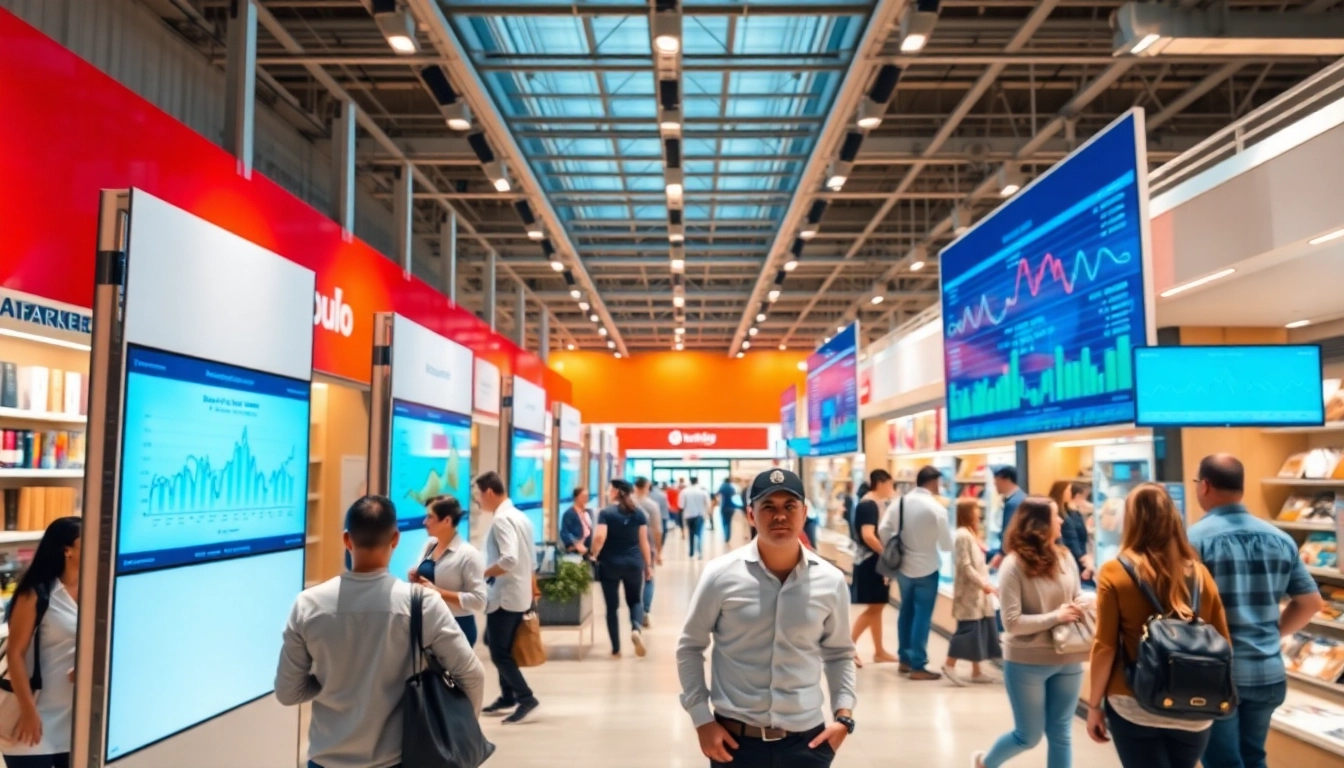
Camera-based solutions are among the most popular choices in the realm of people counting software. These systems employ advanced video analytics capabilities that allow for real-time monitoring and comprehensive reporting. Video cameras, often equipped with AI technologies, can track movement and recognize patterns that surface in customer behavior. Many setups can handle high volumes of foot traffic, making them suitable for large retail spaces, malls, and public venues.
Infrared Sensor Technologies
Infrared sensor technologies offer a reliable option for counting people, primarily focusing on detecting heat signatures. When a person passes through the sensor's field of view, the heat generated is registered, allowing for accurate counting without intrusive methods. These systems are particularly useful in locations such as offices and stores with defined entry and exit points. Their relatively low cost and ease of installation make them appealing to smaller businesses and environments where camera surveillance may not be preferred.
Mobile and Cloud-Based Options
As technology evolves, mobile and cloud-based solutions have emerged to provide flexible people counting software options. These systems leverage smartphone applications and cloud computing capabilities. Utilizing location tracking features on smartphones, this technology can discern foot traffic in various locations, enabling businesses to monitor attendance at events, conferences, and more. Cloud integration facilitates easier data access and sharing across multiple devices, enhancing collaboration and analysis.
Implementing People Counting Software
Step-by-Step Installation Guide
Implementing people counting software requires a systematic approach to ensure ease of use and reliability. Here’s a step-by-step guide:
- Assessment: Identify the best type of counting solution based on your specific environment and needs.
- Site Survey: Conduct a site survey to determine the optimal locations for sensor and camera installation.
- Installation: Follow manufacturer guidelines to install hardware correctly, including running power cables and connecting to networks.
- Software Configuration: Set up software parameters, such as operational times, data collection frequencies, and reporting formats.
- Testing: Before going live, conduct extensive testing to ensure the system is accurately counting and logging data.
Integrating with Existing Systems
For many organizations, integrating people counting software with existing systems can enhance functionality and streamline data flows. Businesses should consider the following steps for successful integration:
- API Compatibility: Ensure the people counting software supports API integration with your existing systems, such as POS, CRM, or inventory management.
- Data Synchronization: Establish protocols for the regular synchronization of data between systems to maintain accuracy and consistency.
- User Training: Provide adequate training for staff to familiarize them with the integrated platform and its functionalities.
Employee Training and Adoption Strategies
Successfully implementing people counting software not only relies on the technology but also how well employees are prepared to use it. Key strategies for employee training and adoption include:
- Comprehensive Training Programs: Develop training sessions that cover the basics of the software, advanced functionalities, and troubleshooting common issues.
- Feedback Mechanisms: Encourage staff to provide feedback on the system's usability, which can inform improvements and adjustments.
- Continuous Learning: Offer ongoing training opportunities as software updates and new features are introduced.
Analyzing Data from People Counting Software
Interpreting Foot Traffic Data
The data generated by people counting software can be invaluable for businesses seeking to understand customer behavior. Analytical approaches to interpreting this data should focus on key metrics:
- Peak Traffic Times: Analyze trends to identify busy periods, enabling better staff scheduling and resource allocation.
- Visitor Flow Patterns: Recognize how customers navigate your space, indicating potential areas for promotional displays or operational adjustments.
- Demographic Insights: If enabled by the technology, analyze data to gather insights into demographics, assisting in targeted marketing efforts.
Using Data for Operational Improvements
Insights drawn from people counting software can directly inform and enhance operational strategies. For instance:
- Workforce Management: Use traffic data to optimize staff schedules, ensuring that employee availability aligns with peak customer traffic.
- Marketing Strategy Alignment: Tailor marketing initiatives based on foot traffic data, focusing efforts on times and demographics showing high interaction.
- Promotion Effectiveness: Monitor customer flow before, during, and after promotions to assess their impact and adjust future strategies accordingly.
Case Studies of Successful Implementations
Several organizations have successfully implemented people counting software, leading to remarkable outcomes:
- Retail Store: A clothing retailer utilized people counting analytics to identify peak traffic times, which helped them reorganize staffing schedules. The result was a 15% increase in sales during peak hours.
- Museum: A local museum used people counting technology to track visitor foot traffic and discovered underutilized areas. By enhancing presentations in these locations, they increased visitor engagement by 30%.
- A Shopping Mall: A mall implemented people counting to understand consumer behavior better. Insights led to targeted marketing campaigns that boosted foot traffic by 25% during promotional events.
Future Trends in People Counting Software
The Role of AI and Machine Learning
Artificial intelligence and machine learning are set to revolutionize how people counting software operates. Future systems will likely offer:
- Predictive Analytics: AI will allow for forecasting trends in foot traffic based on historical data, enabling proactive business adjustments.
- Enhanced Accuracy: Machine learning algorithms will continuously learn from data input, improving the accuracy of counting methods over time.
Predictive Analytics for Retail
Integrating predictive analytics with people counting software can drive a new era of strategic planning in retail. Retailers will be able to:
- Anticipate Demand: Using predictive models, businesses can forecast potential customer influx, allowing for optimal inventory management.
- Optimize Store Layout: Data-driven insights can inform store layout changes based on customer navigation patterns, enhancing the shopping experience.
Impact on Customer Experience Strategies
As businesses leverage people counting software for greater insights, customer experience strategies will see a transformation:
- Personalized Marketing: Insights from foot traffic can lead to hyper-targeted marketing campaigns that resonate with specific customer profiles.
- Service Customization: Understanding customer needs allows businesses to tailor offerings in real-time, responding to foot traffic dynamics for immediate enhancements.
FAQs About People Counting Software
What devices are used for people counting?
People counting typically utilizes infrared sensors, video cameras, and mobile applications, all capable of tracking movement and traffic patterns in various environments.
Can people counting software work outdoors?
Yes, certain people counting systems are designed to operate effectively in outdoor environments, utilizing weather-resistant hardware and advanced sensing technology.
How accurate are people counting systems?
Most high-quality people counting systems boast accuracy rates of over 95%. Various factors, including technology used and installation conditions, can impact overall accuracy.
Is it possible to integrate this software with existing systems?
Yes, many people counting software solutions offer APIs and compatibility features that enable seamless integration with existing business systems like CRM and POS platforms.
What are the costs associated with people counting software?
Costs vary widely, depending on the type of technology used, implementation scale, and any ongoing service agreements. Ensuring a clear understanding of requirements will help budget effectively.