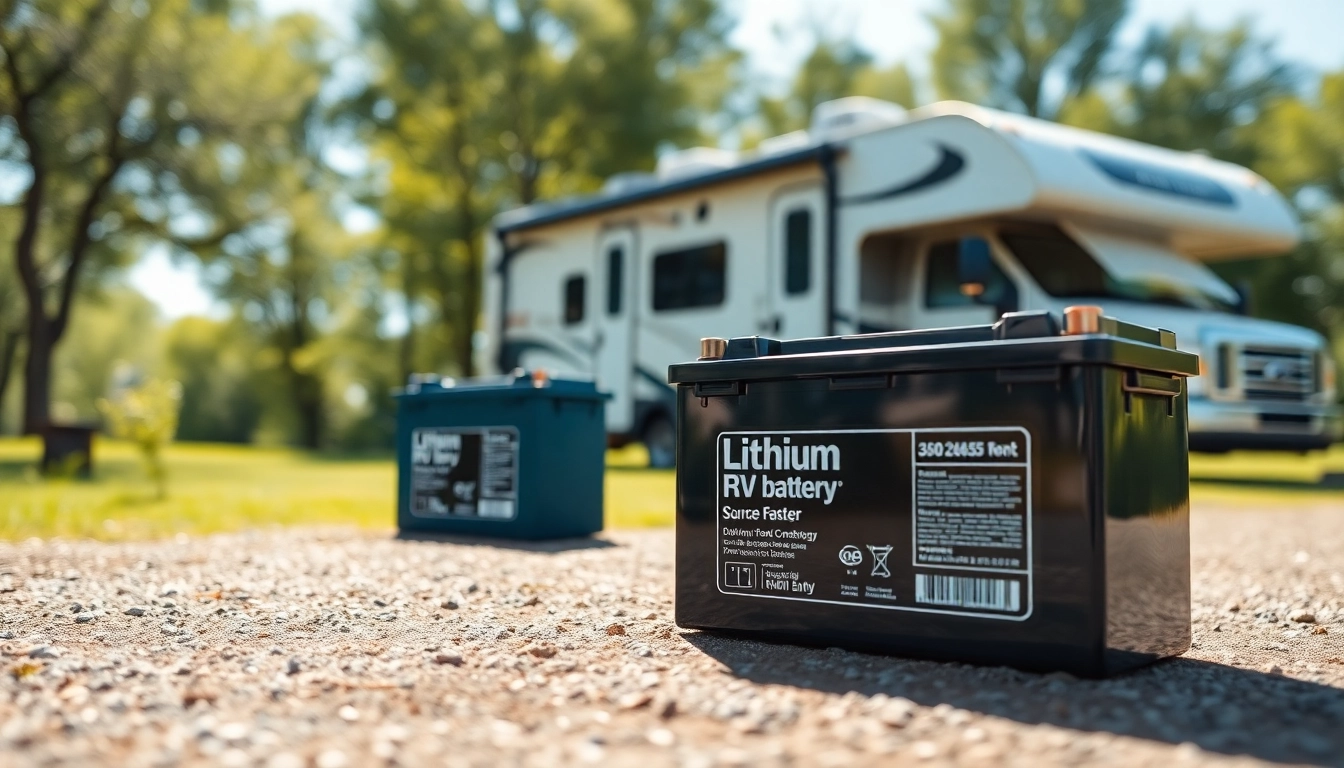
Understanding Lithium RV Batteries
What are Lithium RV Batteries?
Lithium RV batteries are advanced energy storage solutions designed specifically for recreational vehicles, campers, and motor homes. They utilize lithium-ion technology to provide a lightweight, efficient, and long-lasting power source that significantly outperforms traditional lead-acid batteries. These batteries are composed of lithium iron phosphate (LiFePO4), known for its stability and safety, making them an ideal choice for RV applications. Due to their ability to provide reliable power, many RV enthusiasts are making the switch to lithium RV batteries.
Key Components of Lithium RV Batteries
The key components of Vatrer Power lithium RV batteries include the lithium cells, Battery Management System (BMS), casing, and terminals. Lithium cells are arranged in a compact formation, allowing for high energy density and reduced weight. The BMS plays a critical role in monitoring battery health, ensuring balanced charging and discharging, and providing safety features like overcharge and temperature protection. The casing is often made of robust materials that withstand harsh environmental conditions, while the terminals ensure a secure connection to the RV's electrical system.
Advantages of Using Lithium RV Batteries
Lithium RV batteries offer significant advantages over lead-acid batteries, including:
- Longer Lifespan: Lithium batteries can last up to 10 years or more, whereas lead-acid batteries typically last 3-5 years.
- Faster Charging: Lithium batteries can charge significantly faster, allowing users to tap into power quickly.
- Lightweight: They are considerably lighter than lead-acid options, reducing overall vehicle weight.
- Higher Energy Density: Lithium batteries can provide more power in a smaller footprint, maximizing space in RVs.
- Low Self-Discharge Rate: Unlike lead-acid batteries, lithium batteries retain their charge longer, making them ideal for infrequent use.
Selecting the Right Lithium RV Batteries
Factors to Consider When Buying
When selecting 12V 300Ah Lithium Battery, several factors are essential to ensure you choose the best option for your needs:
- Capacity: Measured in amp-hours (Ah), this determines how long the battery can power your devices. Common options include 100Ah, 200Ah, and larger capacities.
- Size and Weight: Ensure the dimensions and weight fit the battery compartment of your RV.
- Voltage: Most RV systems operate on 12V, but some may require higher voltages—24V or even 48V configurations are available.
- Cycling Needs: Consider how often you'll use your RV and the depth of discharge you may require, as this affects battery life.
- Warranty: Look for batteries with substantial warranties, as they reflect the manufacturer's confidence in their product.
Comparing Battery Sizes and Capacities
Understanding the comparison between battery sizes and capacities is crucial for making an informed decision. While larger capacities provide more power, they may also increase weight and cost. For typical RV usage, a 200Ah battery may be sufficient for extended periods of boondocking, whereas a smaller 100Ah battery may suffice for shorter trips. Conducting a load analysis can help determine the optimal capacity based on your energy consumption needs.
Understanding Warranty and Support Options
A robust warranty can provide peace of mind when investing in lithium RV batteries. Look for options that offer at least a five-year warranty, as this indicates durability and reliability. Additionally, check if the manufacturer provides customer support, installation guides, and access to replacement parts, which can enhance the overall purchasing experience.
Installation and Maintenance of Lithium RV Batteries
How to Install Lithium RV Batteries
Installing lithium RV batteries requires careful planning to ensure compatibility with your existing system:
- Safety First: Ensure the RV is turned off, and disconnect any existing battery connections.
- Positioning: Place the lithium battery in the designated compartment or a secure area within the RV that allows for ventilation.
- Wiring: Connect the positive (+) and negative (-) terminals from the new battery to the corresponding terminals in your RV. Using appropriate gauge wire is crucial for safety and efficiency.
- Testing: After installation, power on your RV and check that all systems are functioning correctly and monitor for any unusual behavior.
Best Practices for Maintenance
Maintaining lithium RV batteries involves simple best practices to enhance longevity:
- Regular Monitoring: Check battery voltage and state of charge regularly using a multimeter or battery monitor.
- Avoid Complete Discharge: Ideally, lithium batteries should not be discharged below 20% to prolong their lifespan.
- Temperature Management: Keep the batteries in a temperature-controlled environment, as extreme temperatures can affect performance.
- Use Quality Chargers: Ensure that you are using a lithium-compatible charger to prevent damage during charging.
Signs Your Lithium RV Battery Needs Replacement
Recognizing when a lithium RV battery needs replacement can save you from unexpected power loss. Look out for the following signs:
- Significant decrease in performance or runtime.
- Frequent charging cycles that do not restore full capacity.
- Visible signs of swelling or physical damage.
- Error codes or warning lights from your RV's battery management system.
Performance Metrics for Lithium RV Batteries
Evaluating Battery Lifespan and Cycles
Lithium RV batteries typically offer a lifespan of 2000-5000 cycles, depending on their depth of discharge (DoD) and usage conditions. For example, maintaining a 50% DoD can extend battery life significantly compared to regularly fully discharging the unit. Understanding these metrics helps users make informed decisions about usage practices to maximize their battery’s lifespan.
Optimal Charging Methods
To optimize charging for lithium RV batteries, consider the following methods:
- Bulk Charge: Charge the battery at a high rate until it reaches about 80% capacity.
- Absorption Charge: Reduce the charging rate to complete the final 20%, ensuring a full charge without overcharging.
- Float Charge: Once fully charged, switch to a maintenance charge mode to keep the battery at full capacity without damaging it.
Monitoring Battery Performance
Monitoring battery performance is essential for ensuring optimal functionality. Use a battery monitor to keep track of voltage, state of charge, and overall efficiency. Many modern lithium RV batteries come equipped with Bluetooth capabilities, allowing real-time performance monitoring via a smartphone app. Staying vigilant about performance metrics can help you promptly address any maintenance needs or issues.
Frequently Asked Questions about Lithium RV Batteries
Are lithium batteries worth it for an RV?
Yes, lithium batteries offer longer lifespan, quicker charging, and significantly better performance compared to traditional lead-acid batteries, making them worth the investment for most RV users.
How long do lithium RV batteries last?
Lithium RV batteries typically last 2000-5000 cycles, translating to around 10 years or more, depending on usage and maintenance practices.
Can I charge lithium batteries with solar?
Yes, lithium batteries can be efficiently charged using solar panels, provided the solar charging system is compatible and properly installed for optimal performance.
What's the difference between Lithium and Lead Acid?
Lithium batteries have a longer lifespan, faster charging times, and lower weight compared to lead-acid batteries, making them more efficient and practical for RV applications.
How many lithium batteries do I need for my RV?
The number of lithium batteries depends on your energy needs and usage patterns. Assess your power consumption to determine how many batteries with the appropriate amp-hour capacity will sustain your needs effectively.