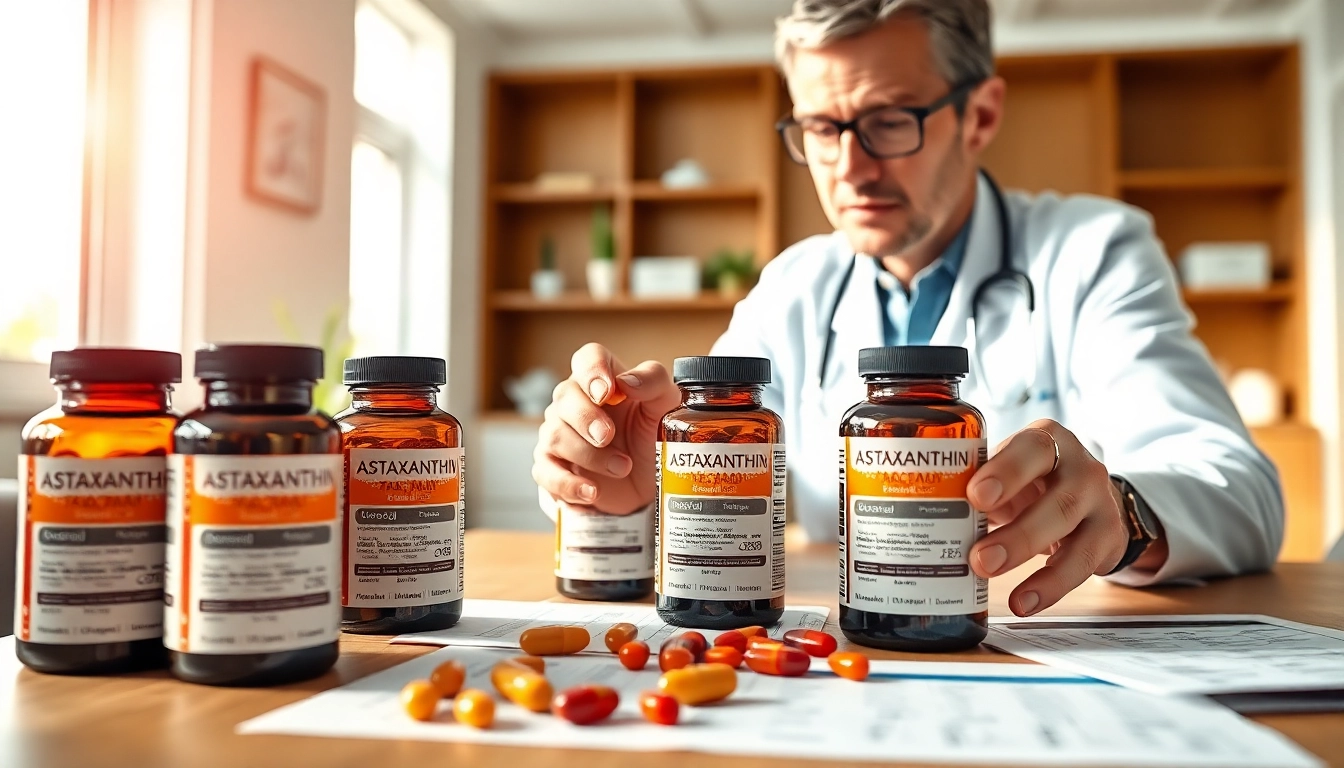
Understanding Astaxanthin and Its Benefits
What is Astaxanthin?
Astaxanthin is a powerful antioxidant belonging to the carotenoid family, which is responsible for the pink-red pigment found in various marine organisms, such as salmon, shrimp, and microalgae. Distinctive in its structural makeup, astaxanthin boasts unique biochemical properties that allow it to neutralize free radicals effectively. This enables it to help mitigate oxidative stress on the body, making it a popular supplement choice for those seeking to enhance their health and well-being.
Health Benefits of Astaxanthin
The health benefits of astaxanthin are numerous and well-documented, attracting a growing number of users looking for natural ways to improve their health.
- Skin Health: Astaxanthin may improve skin elasticity, hydration, and overall appearance while providing protection against UV damage.
- Eye Health: This carotenoid can help reduce eye strain and fatigue, potentially lowering the risk of eye diseases, including age-related macular degeneration.
- Sports Performance: Numerous studies suggest that astaxanthin improves endurance and reduces muscle damage after intense physical activity, making it a popular choice among athletes.
- Cardiovascular Support: Astaxanthin may help lower levels of LDL cholesterol and triglycerides, contributing to heart health.
How Astaxanthin Compares with Other Antioxidants
When compared to other antioxidants, such as vitamins C and E, astaxanthin stands out due to its superior efficacy. Not only does it possess a unique ability to cross blood-brain and blood-retina barriers, but its functional stability also makes it more effective in combating oxidative stress. With studies indicating that astaxanthin is up to 6000 times more potent than vitamin C and 800 times more effective than CoQ10, its popularity continues to rise within the health and wellness community.
Recommended Astaxanthin Dosage: General Guidelines
Daily Dosage Recommendations
Determining the correct recommended astaxanthin dosage varies depending on the individual’s health goals and specific conditions. In general, research indicates that a daily dosage of 4 mg to 12 mg is effective. Here’s a breakdown of commonly recommended dosages for various health benefits:
- General Health: 4-6 mg/day is sufficient for antioxidant support.
- Skin Health: 6-12 mg/day to improve skin elasticity and hydration.
- Eye Health: 6-12 mg/day for reducing eye strain.
- Exercise Recovery: Approximately 12 mg/day may enhance endurance and decrease muscle fatigue.
Factors Influencing Dosage Needs
The optimal dosage of astaxanthin can be influenced by several factors, including:
- Age: Older individuals may require higher dosages due to decreased natural antioxidant production.
- Health Status: Individuals with specific health conditions may benefit from higher astaxanthin dosages.
- Dietary Intake: Those with diets rich in antioxidants may not need as much supplementation.
- Physical Activity Level: Athletes or those engaging in intense workouts may need higher dosages to support recovery.
How to Adjust Dosage Safely
When starting any new supplement regimen, including astaxanthin, it is crucial to commence with a lower dose and gradually increase it to gauge tolerance and effectiveness. Consulting with a healthcare provider can help ensure safe dosage adjustments, particularly for individuals with underlying health issues or those currently taking medications.
Using Astaxanthin Supplements Effectively
Types of Astaxanthin Supplements
Astaxanthin supplements come in various forms, with the most common being soft gels, capsules, and liquid formulations. Each type has its advantages:
- Soft Gels: Easier to swallow and often provide a more concentrated dose, making them a popular choice.
- Capsules: Generally offer similar benefits to soft gels but might not be as easily absorbed.
- Liquid Forms: Highly bioavailable and can be added to drinks or smoothies.
Timing Your Dosage for Best Results
The timing of astaxanthin intake can impact its effectiveness. For optimal absorption, it is generally recommended to take astaxanthin with meals, particularly those containing healthy fats, as this enhances its bioavailability. Many health experts suggest splitting the daily dose into two or three servings, taken with meals throughout the day.
Combining Astaxanthin with Other Nutrients
Astaxanthin can be more effective when paired with other antioxidants and nutrients. For instance, combining it with omega-3 fatty acids can enhance the benefits for heart health. Additionally, taking astaxanthin alongside vitamin C may augment its antioxidant effects. However, consulting a healthcare professional before starting any new combinations is advisable to tailor the regimen to individual health needs.
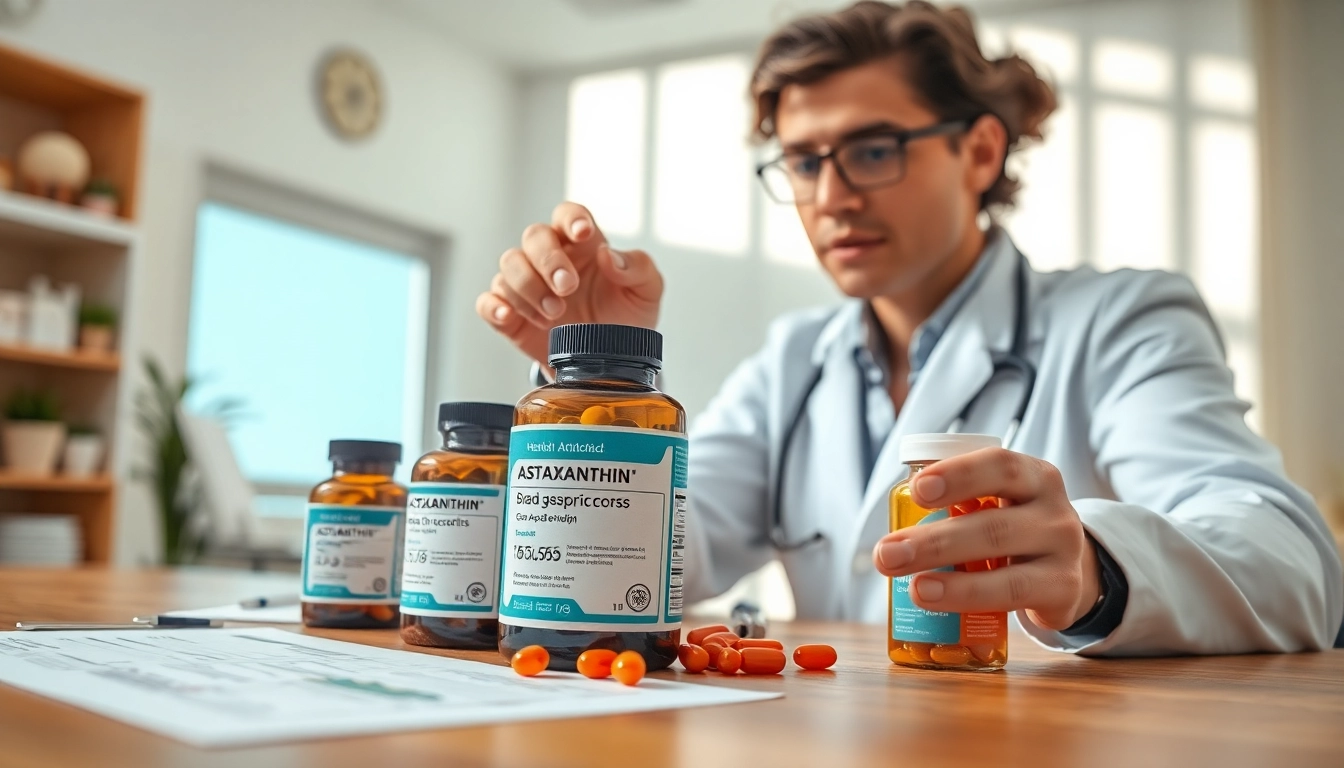
Potential Side Effects of Astaxanthin
Common Side Effects and Concerns
Astaxanthin is generally considered safe when taken within the recommended dosage. Common side effects may include:
- Minor digestive upset, such as nausea or stomach cramps.
- Skin discoloration, particularly in high doses, leading to a yellow or orange hue.
If side effects persist or worsen, discontinuation of the supplement and consultation with a healthcare provider is recommended.
Who Should Avoid Astaxanthin?
While astaxanthin is safe for most people, certain individuals should exercise caution:
- Pregnant or breastfeeding women should consult their healthcare provider before use.
- Individuals with allergies to seafood should also avoid astaxanthin derived from marine sources.
- Those taking blood-thinning medications should check with their healthcare provider due to astaxanthin's potential effects on blood pressure.
Consulting Healthcare Providers
Before incorporating astaxanthin or any new supplement into your regimen, consult with a healthcare provider for personalized advice, particularly if you have existing health conditions or take other medications.
FAQ: All You Need to Know About Astaxanthin Dosage
What is the optimal daily dosage of astaxanthin?
The optimal dosage ranges from 4 mg to 12 mg per day, depending on your health goals, with 6 mg being common for general health.
Can I take astaxanthin with other supplements?
Yes, astaxanthin can be effectively combined with other antioxidants like vitamin C and omega-3s for enhanced benefits.
Are there studies supporting recommended dosages?
Numerous studies have documented benefits with dosages ranging from 2 mg to 24 mg daily, confirming a broad range of effective doses.
What are the signs of astaxanthin overdose?
Overdose symptoms can include skin discoloration, digestive issues, and potential hormonal disturbances; reducing dosage can alleviate symptoms.
When should I consult a doctor about astaxanthin?
Consult a doctor before starting astaxanthin if you have health conditions, are pregnant, or are taking medications, ensuring safety and efficacy.