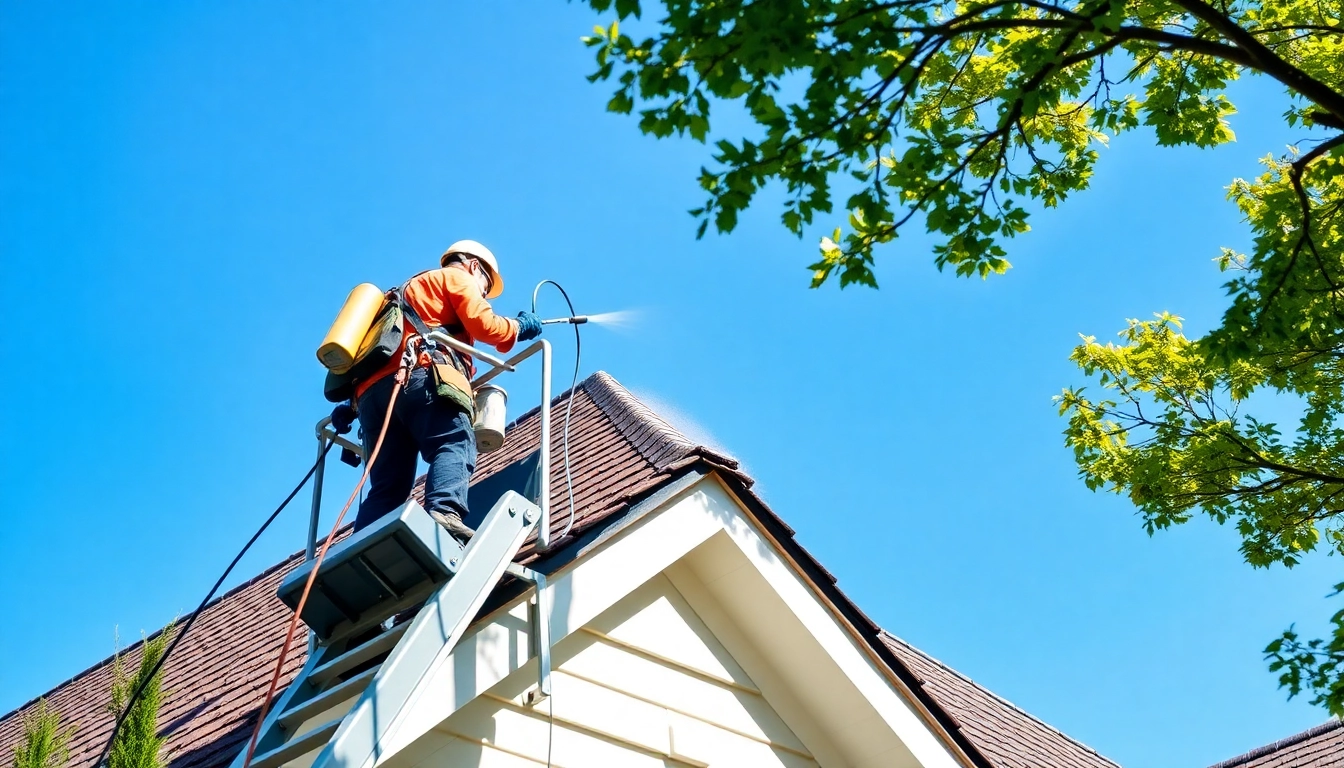
Understanding Roof Cleaning
Maintaining the integrity and appearance of your home involves various aspects of care, and roof cleaning is often overlooked. Roof Cleaning represents a significant preventive measure against harmful elements that can contribute to roof damage and decay. Not only does regular cleaning enhance your home's aesthetic appeal, but it also prolongs the lifespan of one of your most essential structural components: the roof itself.
What is Roof Cleaning?
Roof cleaning refers to the process of removing debris, dirt, and biological growth (such as mold, algae, and moss) from the roof surfaces of residential properties. This maintenance task is primarily carried out to improve the roof's appearance and functionality, ensuring that it effectively protects the home from various environmental factors.
Benefits of Roof Cleaning
One of the most significant benefits of roof cleaning is that it enhances curb appeal. A clean roof contributes to the overall aesthetic of the home, making it more attractive to visitors and potential buyers. Furthermore, regular cleaning prevents the buildup of harmful organisms that can penetrate roof materials and cause leaks or structural issues, ultimately saving homeowners from costly repairs.
Additional benefits include:
- Prolonged Roof Lifespan: Effective cleaning removes harmful debris that can corrode roofing materials, thus extending the life of the roof.
- Energy Efficiency: A clean roof reflects sunlight better, reducing heat absorption and lowering cooling costs in warmer climates.
- Insurance Benefits: Maintaining your roof can prevent you from facing increased insurance premiums or claims disqualification resulting from neglect.
Common Roof Cleaning Techniques
There are several methods available for cleaning roofs, each suited for different types of roofing materials and levels of dirt accumulation. The most commonly used techniques include:
- Soft Washing: This method employs low-pressure water along with specialized cleaning solutions designed to eliminate dirt and organic growth without damaging the roof materials.
- Pressure Washing: Suitable for durable surfaces, such as metal roofs, pressure washing utilizes high-pressure water streams to remove grime but must be handled with caution to avoid surface damage.
- Manual Cleaning: Involves using brushes or brooms to physically remove debris and stains, though it is labor-intensive and best for small areas.
Choosing the Right Roof Cleaning Service
When considering professional roof cleaning, several factors should guide the decision-making process to ensure quality service.
Factors to Consider When Hiring
Evaluate potential roof cleaning services based on the following criteria:
- Experience and Reputation: Look for companies with a solid track record and positive customer reviews.
- Insurance and Licensing: Ensure the service provider has adequate insurance coverage and the necessary licenses to operate in your area.
- Methods Used: Inquire about the techniques employed for cleaning and whether they align with the best practices for your roofing material.
- Environmental Considerations: It's important to select a service that utilizes eco-friendly cleaning solutions to minimize environmental impact.
Comparing Roof Cleaning Prices
The cost of roof cleaning can vary significantly based on factors such as the size of the roof, the complexity of the task, and the region. While homeowners should not base their choice solely on price, obtaining multiple quotes can provide a clearer picture of the market rate for services. It's essential to look beyond just the price tag and assess the value of the service provided.
Questions to Ask Your Service Provider
Before hiring a roof cleaning company, ask the following questions:
- What cleaning methods do you recommend for my roof?
- Can you provide references from past customers?
- What is included in your cleaning service?
- What are your safety procedures?
- Do you offer a warranty or guarantee on your work?
DIY Roof Cleaning Tips
For those who prefer to take matters into their own hands, DIY roof cleaning is a viable option, provided one takes proper precautions and is well-equipped.
Essential Safety Precautions
Safety should always come first. Before embarking on any roof cleaning project, ensure you have the following:
- Proper Gear: Use a safety harness, non-slip shoes, and an appropriate helmet.
- Informed Mind: Familiarize yourself with the roof structure to identify weak spots or areas that require special care.
- Weather Conditions: Avoid cleaning during wet or windy conditions to prevent slips and falls.
Tools and Equipment Needed
For an effective clean, gather the following tools:
- Soft-bristle brushes for scrubbing
- A garden hose with a spray nozzle
- Bucket and ladder for safe access
- Eco-friendly cleaning solutions or homemade vinegar solutions.
Step-by-Step DIY Roof Cleaning Process
Follow these steps for a comprehensive DIY roof cleaning:
- Ensure safety measures are in place, including a stable ladder position.
- Remove loose debris such as leaves or branches using a broom or leaf blower.
- Apply the chosen cleaning solution to stained areas and allow it to sit for a few minutes.
- Gently scrub the affected areas with a soft brush, taking care not to damage the shingles.
- Rinse thoroughly using a garden hose, ensuring all cleaning solution is washed away.
- Inspect the roof for any signs of damage or areas that may need professional attention.
Environmental Impact of Roof Cleaning
Homeowners should consider the environmental implications of roof cleaning methods and strive for practices that minimize harm.
Eco-Friendly Cleaning Solutions
Choosing environmentally safe cleaning solutions is crucial for reducing the impact on local ecosystems. Many commercial products contain harsh chemicals, but alternatives such as vinegar, baking soda, or biodegradable detergents can be effective without posing risks to plants and wildlife.
Water Usage and Conservation
Water scarcity is a growing concern, and roof cleaning can be water-intensive. Utilizing methods like soft washing minimizes water use while effectively removing contaminants. Homeowners should be conscious of water conservation, especially during dry seasons.
Best Practices for Minimizing Impact
To minimize the ecological footprint of roof cleaning:
- Choose low-impact cleaning methods that require less water and energy.
- Dispose of wastewater responsibly, avoiding direct discharge into storm drains.
- Educate oneself about the environmental effects of common cleaning chemicals.
Post-Cleaning Maintenance Tips
Maintaining your roof after cleaning is crucial for preserving its clean appearance and longevity.
How to Maintain a Clean Roof
Regular maintenance should include:
- Inspecting the roof for debris buildup, algae, or mold growth every few months.
- Conducting minor repairs promptly to prevent water damage.
- Trimming back any overhanging branches to ensure minimal debris falls on the roof.
Signs Your Roof Needs Cleaning Again
Keep an eye out for the following indications that your roof may require another cleaning:
- Visible green or dark stains on roof materials.
- Accumulation of leaves, moss, or algae in valleys or along gutters.
- An apparent decline in the roof's reflective properties.
Regular Roof Inspections
Scheduling regular inspections with a professional can help catch potential issues before they escalate. Homeowners can also conduct routine visual inspections to enhance awareness of their roof's condition.
Frequently Asked Questions (FAQs)
1. How often should I clean my roof?
Generally, a roof should be cleaned once every 1-3 years, depending on environmental factors and the presence of debris or biological growth.
2. Can I use bleach to clean my roof?
While bleach is effective for cleaning, it can also harm vegetation and animals. Consider eco-friendly alternatives that are safer for the environment.
3. Is roof cleaning worth the cost?
Yes, investing in roof cleaning can prevent significant damage and increase the lifespan of your roof, ultimately saving you money on repairs.
4. What is the best method for roof cleaning?
Soft washing is often the best method as it effectively removes stains without risking damage to roofing materials.
5. Can I clean my roof in winter?
It’s not advisable to clean roofs in winter due to slippery conditions and freezing water, which can harm both safety and roofing materials.