
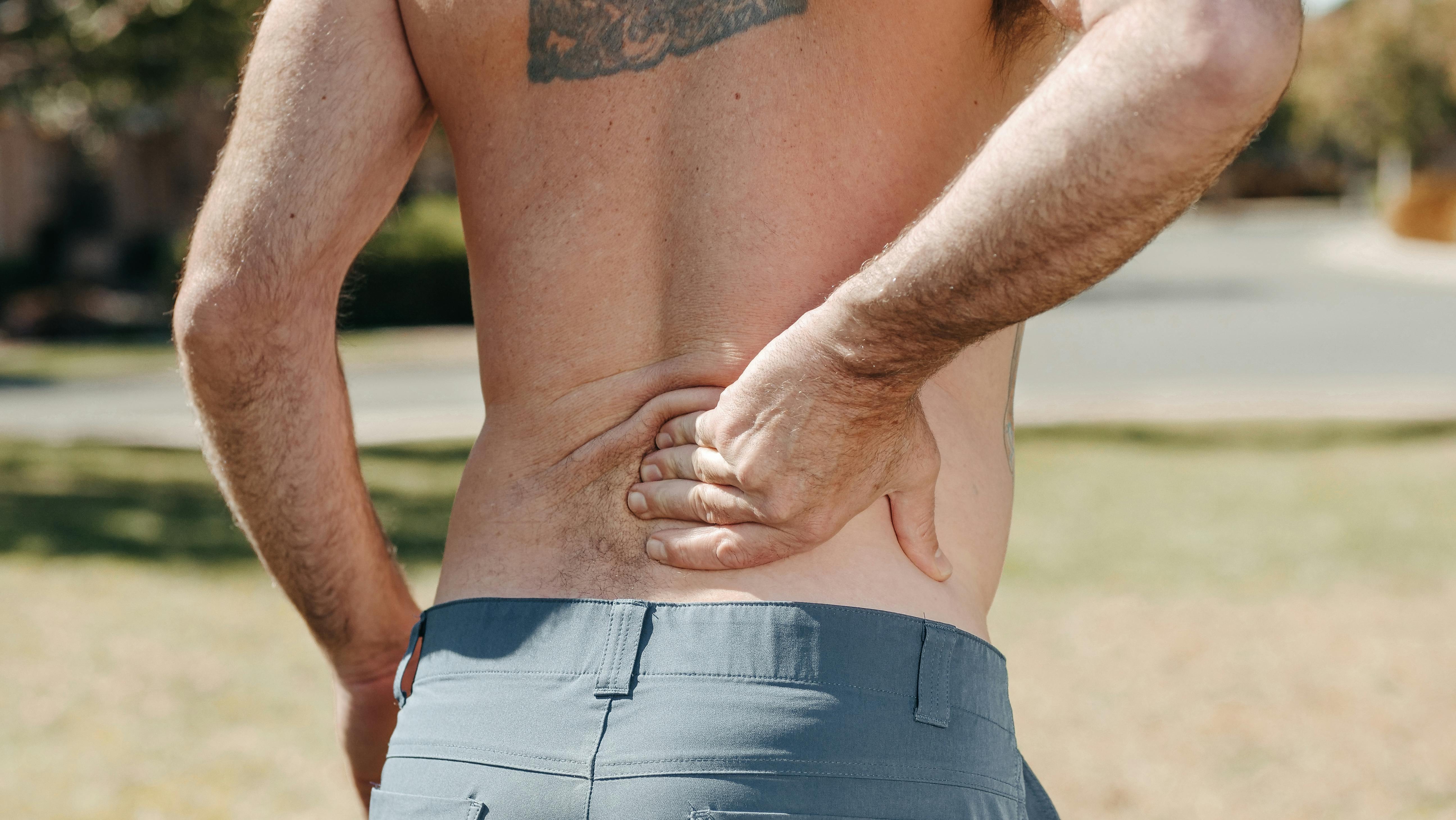
Why Lower back pain Affects Everyday Comfort
Lower back pain is one of the most common physical discomforts experienced by people around the world. Lower back pain can affect movement, posture, sleep, and daily activities, making even simple tasks feel difficult. Many individuals experience Lower back pain because of poor posture, long working hours, heavy lifting, stress, or lack of exercise. Lower back pain often develops gradually when muscles become tight and the spine loses proper alignment. People dealing with Lower back pain may struggle with standing for long periods, walking comfortably, or sitting without discomfort. Lower back pain can also reduce productivity and energy levels because constant muscle tension affects physical and mental wellness. Understanding the causes of Lower back pain is important for improving flexibility and supporting long-term spinal health. Many individuals use stretching, exercise, posture correction, and supportive products to reduce Lower back pain naturally. Lower back pain can improve when healthy habits become part of a daily routine. Lower back pain is not only about discomfort in the lower spine but also about maintaining strength, mobility, and comfort throughout everyday life.
Understanding the Main Causes of Lower back pain
Poor Posture During Daily Activities
One of the leading causes of Lower back pain is poor posture. Sitting or standing incorrectly places pressure on the lower spine and weakens supporting muscles over time.
Many people experience Lower back pain because they spend long hours working at desks or looking down at phones without maintaining proper alignment.
Weak Core and Back Muscles
Weak abdominal and back muscles reduce spinal stability and increase the risk of Lower back pain. Strong muscles are essential for supporting healthy posture and movement.
Without proper muscle support, the lower spine experiences additional stress during daily activities.
Stress and Muscle Tension
Stress often causes muscles to tighten, especially in the shoulders and lower back. Tight muscles increase discomfort and limit flexibility.
Relaxation techniques are important for reducing Lower back pain because they help calm the body and release tension naturally.
How Better Posture Helps Lower back pain
Supporting Healthy Spinal Alignment
Good posture keeps the spine aligned correctly and reduces pressure on muscles and joints. Better alignment helps reduce strain on the lower back during sitting, standing, and movement.
Improving posture is one of the most effective ways to reduce Lower back pain naturally.
Benefits of Proper Posture
Healthy posture may help:
- Reduce muscle tension
- Improve flexibility
- Increase balance
- Support better movement
- Reduce stress on the spine
These benefits contribute to long-term Lower back pain relief and improved daily comfort.
Stretching Exercises for Lower back pain Relief
Why Stretching Is Important
Stretching is one of the simplest methods for reducing Lower back pain because it improves flexibility and relaxes tight muscles.
Regular stretching can:
- Improve circulation
- Reduce stiffness
- Support spinal movement
- Improve posture naturally
- Increase mobility
Stretching also helps muscles recover after long hours of sitting or standing.
Best Stretches for Lower back pain
Child’s Pose
This gentle yoga stretch relaxes the lower spine and improves flexibility naturally.
Cat-Cow Stretch
The cat-cow movement increases spinal mobility and helps reduce muscle tension in the back.
Knee-to-Chest Stretch
This stretch reduces pressure in the lower spine and helps loosen tight muscles.
Hamstring Stretch
Tight hamstrings often contribute to Lower back pain by affecting pelvic alignment. Stretching these muscles improves flexibility and reduces strain.
Exercises That Support Lower back pain Relief
Strengthening Core Muscles
Strong core muscles support the spine and improve posture. Exercises that strengthen the abdomen and lower back help reduce Lower back pain effectively.
Helpful exercises include:
- Planks
- Bridges
- Leg raises
- Stability exercises
- Yoga poses
These exercises strengthen supporting muscles and improve spinal stability.
Walking for Better Comfort
Walking is an excellent low-impact activity for people experiencing Lower back pain. Walking improves circulation, supports posture, and keeps muscles active.
Even short walks throughout the day can reduce stiffness and improve flexibility.
Low-Impact Activities
Swimming, cycling, and yoga are helpful activities for reducing Lower back pain because they strengthen muscles without placing excessive strain on joints.
These exercises improve movement and support long-term spinal health.
How Workplace Habits Affect Lower back pain
Creating an Ergonomic Workspace
Poor workstation setup is a common cause of Lower back pain. Ergonomic adjustments can improve posture and reduce strain during long work hours.
Helpful workplace improvements include:
- Raising screens to eye level
- Using lumbar support cushions
- Adjusting chair height properly
- Keeping feet flat on the floor
- Taking movement breaks regularly
These changes support healthier spinal alignment and improve comfort naturally.
Avoiding Long Periods of Sitting
Sitting for too long weakens muscles and reduces circulation. Taking regular breaks to stand and stretch can reduce Lower back pain significantly.
Movement keeps muscles flexible and prevents stiffness from developing.
The Importance of Sleep for Lower back pain Relief
Choosing a Supportive Mattress
A supportive mattress is essential for reducing Lower back pain because sleep posture affects spinal alignment.
Balanced support allows muscles to relax properly and improves overnight recovery.
Healthy Sleeping Positions
Sleeping on the back or side is often recommended for people experiencing Lower back pain because these positions support healthier spinal alignment.
Using pillows under the knees or between the legs may reduce pressure on the lower spine and improve comfort.
Healthy Lifestyle Habits That Support Lower back pain Relief
Maintaining a Healthy Weight
Extra body weight places additional pressure on the spine and muscles. Maintaining a healthy weight helps reduce Lower back pain by improving balance and reducing strain.
Balanced nutrition and regular activity support healthier movement and flexibility.
Staying Hydrated
Hydration supports spinal flexibility and joint health. The spinal discs require water to remain healthy and supportive.
Drinking enough water daily can improve overall spinal function and reduce stiffness.
Eating Nutritious Foods
Healthy foods support muscle recovery and reduce inflammation naturally.
Foods that support Lower back pain relief include:
- Fruits and vegetables
- Whole grains
- Lean proteins
- Fish rich in omega-3 fatty acids
- Nuts and seeds
Nutritious meals improve overall wellness and muscle support.
Stress Management for Lower back pain Support
How Stress Affects the Body
Stress causes muscle tightness, especially in the shoulders and lower back. Muscle tension often increases discomfort and affects posture negatively.
Managing stress is an important part of reducing Lower back pain naturally.
Relaxation Techniques
Helpful relaxation methods include:
- Deep breathing exercises
- Meditation
- Gentle yoga
- Walking outdoors
- Stretching routines
These techniques relax the body and improve flexibility and comfort.
Supportive Products for Lower back pain
Posture Correctors
Posture correctors help improve spinal alignment and reduce slouching habits. Many individuals use posture support products to improve posture and reduce Lower back pain naturally.
Ergonomic Cushions and Chairs
Supportive cushions and ergonomic chairs improve sitting comfort while reducing pressure on muscles and joints.
Using supportive products consistently can improve posture habits and everyday comfort.
Building a Daily Routine for Lower back pain Relief
Consistency is important for improving spinal health and reducing discomfort. Healthy daily habits support flexibility, posture, and muscle strength over time.
A simple routine may include:
- Morning stretching
- Walking regularly
- Core strengthening exercises
- Practicing good posture
- Staying hydrated
- Taking movement breaks
- Following healthy sleep habits
These habits work together to support spinal comfort and improve movement naturally.
Conclusion
Feeling better with Lower back pain support is possible through healthy habits, regular movement, and posture awareness. Good posture reduces strain on muscles and joints while improving flexibility, balance, and comfort. Stretching, exercise, ergonomic support, stress management, and healthy lifestyle choices all contribute to reducing Lower back pain naturally.