Understanding Facial Age Estimation
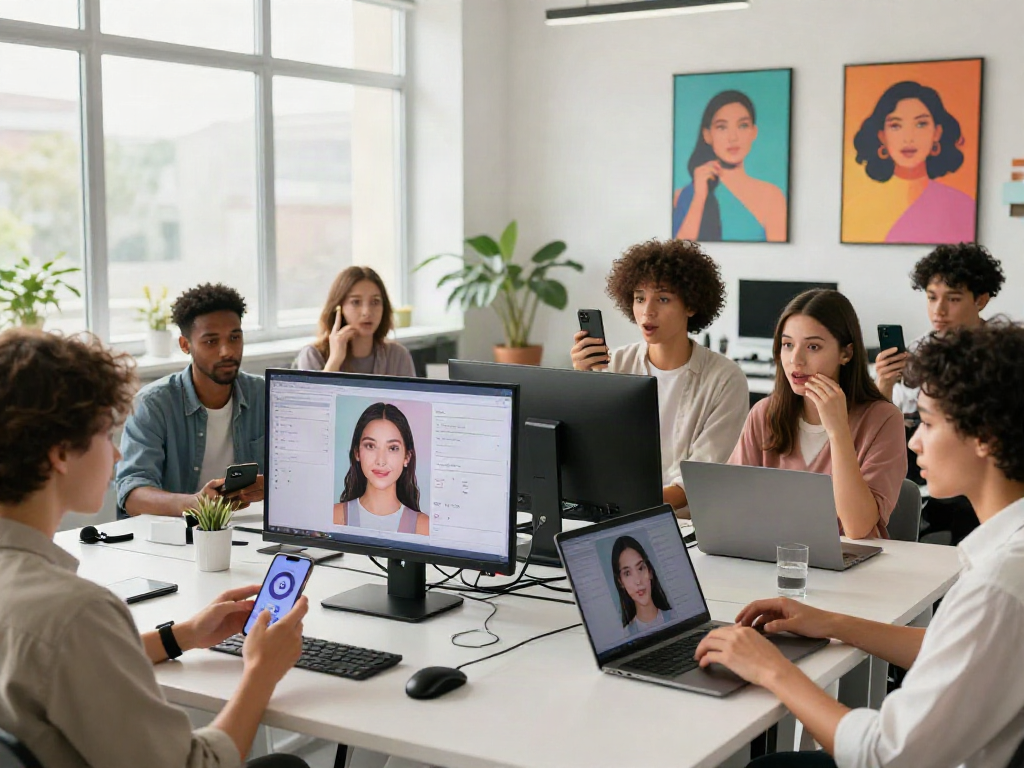
Facial age estimation has rapidly gained traction in various industries, from entertainment to healthcare. This technology utilizes artificial intelligence to analyze facial features and predict biological age—a value many consumers are eager to know. As society increasingly prioritizes image and self-perception, understanding how old do I look has become a common inquiry. In this article, we will delve into the intricacies of facial age estimation, exploring its accuracy, underlying psychological factors, and practical applications.
What is Facial Age Estimation?
Facial age estimation refers to the process of using digital technology to evaluate a person's appearance and predict their age. This estimation typically relies on AI algorithms that analyze various facial features, such as skin texture, wrinkles, and overall facial structure. Unlike chronological age, which is simply a measure of the time since birth, facial age can reflect biological changes influenced by factors like genetics, lifestyle, and environmental exposure.
How Accurate Are AI Age Prediction Tools?
The accuracy of AI age prediction tools has improved significantly over recent years. Many tools operate on machine learning models trained on vast datasets containing images of diverse groups of people with annotated ages. However, while some applications can achieve 90% accuracy under ideal conditions, variations due to lighting, angles, and image quality can affect results. These tools can serve as entertaining prompts for self-reflection rather than definitive answers.
The Psychology Behind Age Perception
Age perception is not merely a byproduct of physical appearance; it is deeply rooted in psychological and cultural contexts. Studies show that people often perceive age differently based on societal standards, personal biases, and even their own age. For instance, a 40-year-old may view someone aged 30 as significantly younger, while a 20-year-old might not differentiate as sharply. This discrepancy emphasizes the subjective nature of age and why tools that answer, "how old do I look?" can generate varied reactions.
Exploring AI Technology in Age Detection
As technology continues to evolve, AI's role in age detection becomes increasingly sophisticated. These advancements not only enhance the accuracy of age prediction tools but also broaden their applications across various fields. Understanding how these algorithms work and evaluating popular age estimation apps can provide valuable insights for consumers seeking to explore age detection.
How AI Algorithms Determine Age
AI algorithms typically utilize deep learning techniques to analyze facial images. These models extract critical features such as fine lines, pigmentation changes, and facial contours to produce an age estimation. By processing thousands of images, the algorithms learn to identify patterns indicative of specific age groups. This training enables them to provide a surprisingly accurate prediction based on a single photograph.
Case Studies of Popular Age Estimation Apps
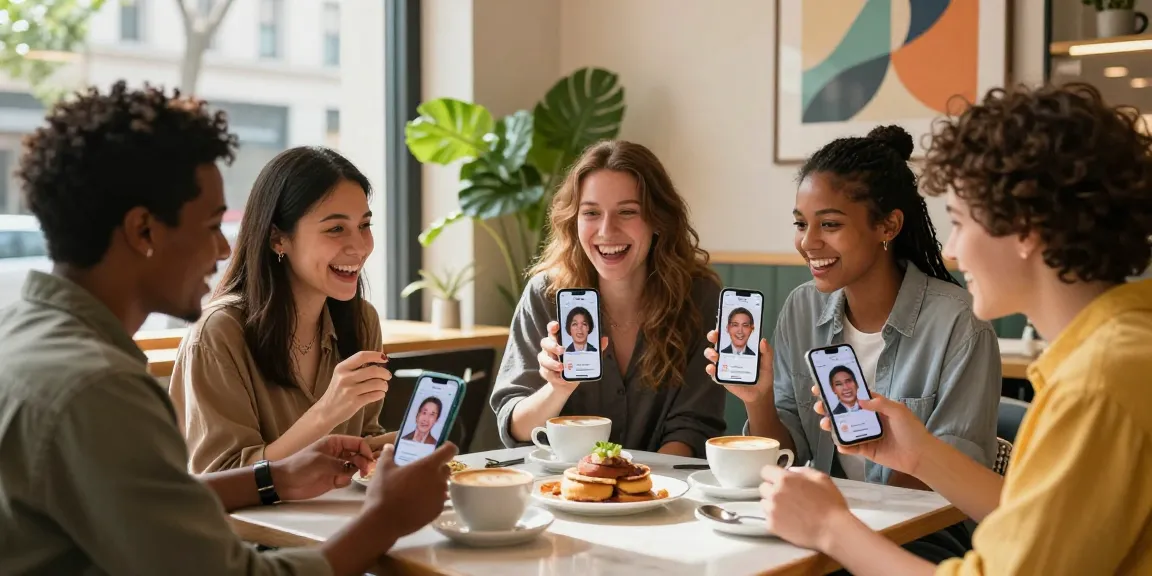
Several applications have emerged, harnessing AI technology to deliver age estimations. For example, how old do i look offers users the chance to upload an image and receive an instant age assessment. Other apps, such as FaceAge and Fotor, have gained popularity by providing similar services while focusing on user experience and data privacy. Evaluating such tools can help users identify which apps best meet their needs.
Criteria for Choosing Reliable Tools
When selecting an age estimation tool, several factors should be considered:
- Accuracy: Look for tools with high user ratings and verified accuracy.
- Privacy: Ensure that the app does not store your images without consent.
- User Experience: A straightforward interface can enhance your experience.
- Feedback: Check reviews and testimonials for user experiences and overall satisfaction.
Real-Life Applications of Age Estimation
Age estimation techniques have a wide array of applications, particularly in social media, marketing, and health sectors. These innovations prompt organizations to reevaluate their strategies and address how audiences perceive age-related information.
Social Media Impacts on Age Perception
Social media has a profound influence on how we perceive age. Filters and editing tools can artificially enhance youthfulness, leading to skewed perceptions about what is considered "normal" at various ages. As users engage with facial age estimation tools, they may become more aware of societal standards or develop unrealistic expectations about aging.
Using Age Estimation in Marketing Campaigns
Marketers are increasingly leveraging age estimation technologies to refine their target demographics. By analyzing consumer images, companies can tailor their campaigns to specific age groups, optimizing engagement. This targeted approach fosters a more personalized customer experience and enhances the effectiveness of marketing initiatives.
Health and Wellness Benefits of Age Awareness
Understanding one’s perceived age can have significant health and wellness implications. Research indicates that individuals aware of their biological age may be more inclined to make lifestyle changes that promote longevity. Tools that answer the question "how old do I look?" can encourage users to adopt healthier habits and engage in discussions surrounding wellness and aging gracefully.
Common Misconceptions About Aging
Despite advancements in understanding aging and technology, many misconceptions persist. Addressing these myths is essential not only for individual awareness but also for societal perception of aging.
Debunking Myths Related to Aging
A common myth is that aging is solely a negative experience. In reality, aging can bring wisdom, experience, and emotional stability. Another misconception is that all physical signs of aging are due to genetics, neglecting the role that lifestyle choices like diet and exercise play in maintaining a youthful appearance.
The Role of Genetics vs. Lifestyle
While genetics undoubtedly influence appearance and health, lifestyle choices significantly impact how one ages. Factors such as nutrition, physical activity, and mental health can either accelerate or mitigate the visible signs of aging. Emphasizing a balanced lifestyle can empower individuals to take control of their aging process.
How Environment Influences Perceived Age
The environment, including social, economic, and cultural factors, also shapes how age is perceived. For example, exposure to pollution, UV radiation, and stress can result in premature aging. By addressing environmental impacts, individuals can make informed choices to protect their skin and overall health.
Future Trends in Facial Age Estimation
Looking ahead, the field of facial age estimation is poised for further innovation. As technology evolves, so do consumer expectations and ethical considerations, shaping how these tools will be used in the future.
Predictions for AI Technology in 2026
By 2026, AI technology is expected to become even more sophisticated, with algorithms that not only predict age more accurately but also provide insights into genetic predispositions. Enhanced visual analysis may allow for customized skincare recommendations based on predicted aging.
Emerging Applications Beyond Age Detection
Beyond mere age detection, the technology could find applications in healthcare by assessing skin health and offering tailored wellness plans. Furthermore, industries such as fashion and cosmetics may utilize age estimation tools to align products with evolving consumer perceptions.
Consumer Expectations and Ethical Considerations
As facial age estimation tools become more prevalent, consumers will demand transparency regarding data use and privacy. Ethical considerations around consent and data protection will be paramount to ensure responsible AI practices in this evolving landscape.