Understanding Mobile Physiotherapy in Mosman
Mobile physiotherapy is revolutionizing the way health care is delivered, allowing patients to receive expert treatment in the comfort of their own homes. At Revive Physiotherapy, we understand that accessing care can sometimes be a challenge, which is why we have dedicated ourselves to providing top-quality mobile physiotherapy services in Mosman. This approach not only emphasizes personalized care but also accommodates the unique needs and schedules of our patients.
The Benefits of Mobile Physiotherapy
Mobile physiotherapy offers numerous advantages, particularly for individuals who may struggle to attend traditional clinic appointments due to mobility issues, chronic health conditions, or simply the demands of modern life. Here are some key benefits:
- Convenience: Services are offered at a location of your choice, making it easier to receive care at home or in an aged care facility.
- Personalized Care: Therapists can tailor treatment plans that address your specific needs and goals in your own environment.
- Comfort: Being in a familiar setting can reduce anxiety, making it easier for patients to engage in their rehabilitation process.
- Comprehensive Assessment: Mobile physiotherapists can evaluate your home environment to identify potential risks and tailor interventions accordingly.
When exploring options, mobile physiotherapy Mosman provides comprehensive insights into how therapy can be integrated smoothly into your daily routine.
Who Can Benefit from Mobile Physiotherapy?
Mobile physiotherapy is suitable for a wide range of individuals, including:
- Patients recovering from surgeries or injuries who have limited mobility.
- Older adults who may have difficulty traveling to a clinic.
- Individuals with chronic illnesses that affect their physical function.
- Athletes and active individuals seeking regular maintenance and rehabilitation.
- People who prefer an alternative to traditional clinic visits for reasons of convenience or comfort.
Key Differences Between In-Clinic and Mobile Physiotherapy
While in-clinic physiotherapy offers its own benefits, there are important differences between the two approaches:
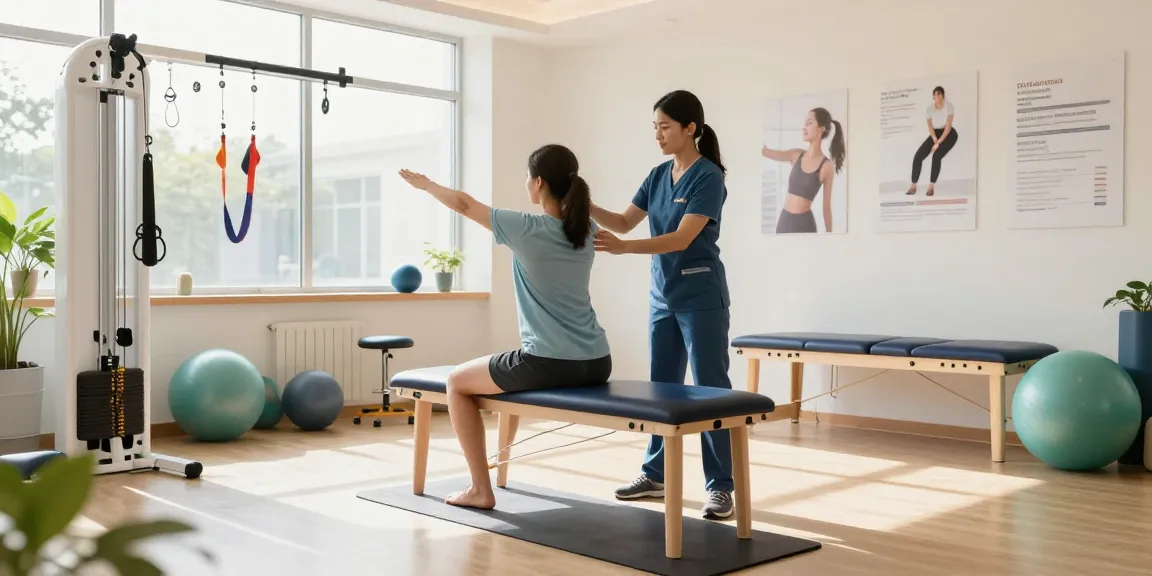
- Setting: In-clinic therapy occurs in a controlled environment with specialized equipment, whereas mobile physiotherapy adapts to the patient's home or other locations.
- Personalization: Mobile therapists can observe you in your daily environment, allowing for customized treatment strategies that encompass real-life activities.
- Flexibility: Mobile physiotherapy often offers flexible scheduling, making it easier to fit treatment sessions into busy lifestyles.
Choosing the Right Mobile Physiotherapy Provider
Evaluating Credentials and Qualifications
When selecting a mobile physiotherapy provider, it’s critical to ensure they are qualified to deliver high-quality care. Look for practitioners who are registered with the Australian Health Practitioner Regulation Agency (AHPRA) and have relevant qualifications in physiotherapy. Additionally, consider their experience in treating specific conditions that you may be facing.
Questions to Ask Before Scheduling
Before you make an appointment, don’t hesitate to ask the following questions:
- What types of services do you offer?
- How are your treatment plans tailored to individual needs?
- What is your approach to patient education and involvement in their own recovery?
- How do you manage follow-up care and progress tracking?
Home Care Packages and Integration with NDIS
Mobile physiotherapy can be seamlessly integrated into government-supported programs like the National Disability Insurance Scheme (NDIS) and Home Care Packages. These programs are designed to enable individuals to receive necessary health services within the comforts of their home. Collaborating with your care coordinator can help ensure that physiotherapy is included in your care plan.
Creating a Personalized Home Therapy Plan
Incorporating Therapy Sessions into Your Daily Schedule
A successful home therapy plan begins with communication between you and your physiotherapist. It is essential to consider your daily routine and existing commitments when scheduling therapy sessions to maintain consistency and commitment to your recovery process. Your physiotherapist can help you devise a plan that synchronizes with your lifestyle, enhancing adherence to treatment recommendations.
Resources for Self-Managed Care and Recovery
Empowering yourself with knowledge about your condition can significantly enhance your recovery. Resources may include educational materials provided by your physiotherapist, online health platforms, and community support groups. Engaging with these resources fosters a more proactive approach to your health and rehabilitation.
Preventing Injuries Through Education and Awareness
Part of a comprehensive therapy plan includes preventive education. A mobile physiotherapist can demonstrate proper body mechanics, ergonomic adjustments, and exercises to minimize injury risks in daily activities. Such insights are essential for fostering long-term health and performance.
Technology in Mobile Physiotherapy
Utilizing Telehealth for Follow-Up Sessions
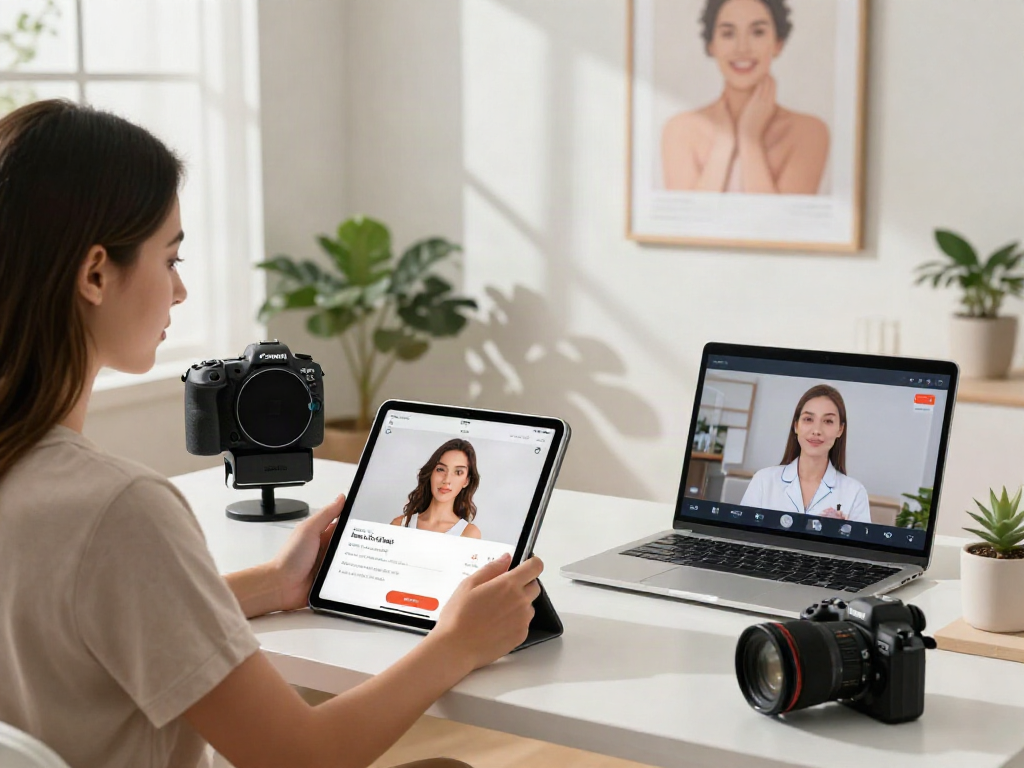
Telehealth has become an integral tool in physiotherapy, allowing patients to have follow-up sessions remotely. This approach is particularly beneficial for those who may not require in-person assessments but still need guidance and support throughout their recovery. Telehealth enables consistency of care while also accommodating scheduling complexities.
Innovative Tools for Remote Monitoring and Support
Modern technology has introduced various tools that physiotherapists utilize for monitoring patient progress and providing ongoing support. Wearable devices, mobile health applications, and tele-assessment tools can help therapists track adherence to therapy and offer timely interventions when needed.
The Future of Mobile Physiotherapy in 2026
The field of mobile physiotherapy is poised for exciting advancements by 2026. Innovations in technology will likely allow for even more personalized treatment approaches through the use of artificial intelligence, predictive analytics, and enhanced telehealth capabilities. As research continues to grow, mobile physiotherapy will further establish itself as a cornerstone of accessible health care delivery.
Frequently Asked Questions about Mobile Physiotherapy
How can I determine if mobile physiotherapy is right for me?
Determining if mobile physiotherapy is right for you involves assessing your individual health needs, mobility status, and preferences for treatment location. A preliminary consultation with a mobile physiotherapist can help clarify these aspects and guide you in making an informed decision.
What should I expect during a mobile physiotherapy session?
During a mobile physiotherapy session, you can expect an initial assessment where the therapist will evaluate your condition, discuss your medical history, and set treatment goals. Subsequent sessions will include tailored exercises, hands-on treatment techniques, and education on self-management strategies.
Are mobile physiotherapy services covered by Medicare or NDIS?
Many mobile physiotherapy services are eligible for coverage under Medicare and NDIS depending on individual circumstances and care plans. For more information, mobile physiotherapy Mosman offers valuable insights. It is advisable to check with your physiotherapy provider and refer to guidelines for specific eligibility requirements.