
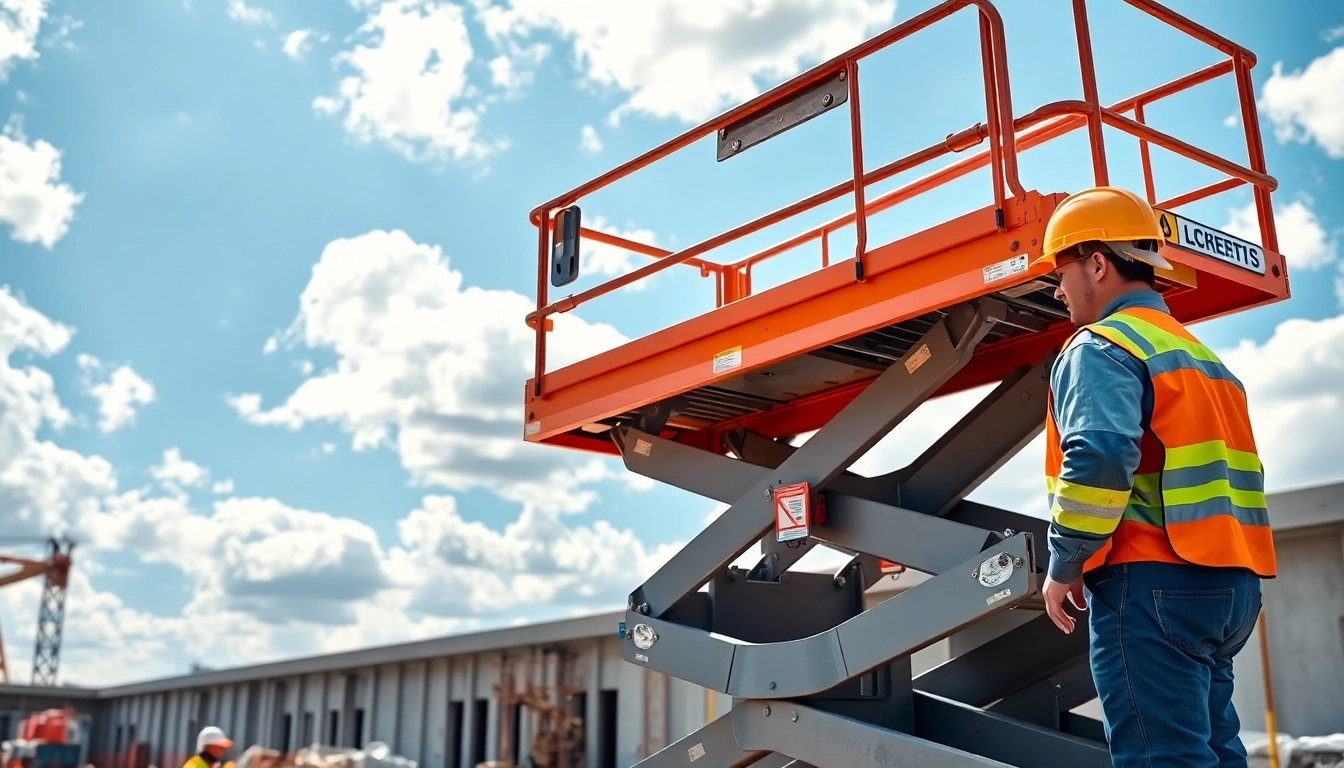
Understanding the Basics of Scissor Lift
What is a Scissor Lift?
A scissor lift is a type of aerial work platform that uses a crisscrossing mechanism to raise and lower a platform. This equipment is especially useful for a variety of tasks requiring height, as it can elevate workers and materials safely and efficiently. The unique folding mechanism allows the platform to expand vertically while retaining a compact footprint, which makes it ideal for both indoor and outdoor applications. You can find an extensive range of scissor lift options suitable for various projects, enhancing productivity and safety.
Types of Scissor Lifts
Scissor lifts come in various types, each designed for specific environments and applications:
- Electric Scissor Lifts: Perfect for indoor use due to their quiet operation and zero emissions, these lifts are typically lightweight and easy to maneuver in confined spaces.
- Rough Terrain Scissor Lifts: Built for outdoor use, these lifts can handle uneven surfaces and tough conditions, making them ideal for construction sites.
- Compact Scissor Lifts: These have narrower platforms for use in tight spaces, maintaining stability and performance without sacrificing height.
- High Capacity Scissor Lifts: Capable of lifting heavier loads, these are designed for tasks that require handling substantial materials and equipment.
Common Uses of Scissor Lifts
Scissor lifts are versatile tools utilized across multiple industries. Here are some common applications:
- Construction: Essential for tasks like drywall installation, ceiling work, and electrical work where height is critical.
- Maintenance: Used for servicing high fixtures in buildings, such as mounted lights, ventilation systems, and signage.
- Warehousing: Ideal for stacking inventory or performing audits in high-rack storage systems.
- Events: Scissor lifts are often employed for staging and lighting setup for concerts or exhibitions.
Choosing the Right Scissor Lift for Your Needs
Factors to Consider
Choosing the right scissor lift involves evaluating the specifics of the job. Key factors include:
- Height Requirements: Determine the maximum height you'll need to reach for your tasks. Scissor lifts can typically range from 10 ft to over 70 ft.
- Weight Capacity: Ensure the scissor lift can accommodate the load you plan to lift, including personnel, tools, and materials.
- Working Environment: Analyze whether you’ll be using the lift indoors or outdoors, and choose a model designed accordingly.
- Terrain Type: For outdoor jobs, consider whether the terrain is rough, flat, or unstable, as this will inform your choice of lift.
Evaluating Scissor Lift Specifications
Understanding the technical specifications is paramount to ensure your scissor lift meets your needs. Here are essential specs to assess:
- Platform Height: The maximum vertical reach should align with your project requirements.
- Platform Size: The dimensions of the platform should provide adequate space for personnel and materials.
- Stowed Height: A lower stowed height allows for better maneuverability in tight spaces.
- Gradeability: Check the lift's ability to operate on slopes, particularly for outdoor rough terrain models.
Identifying Suitable Applications
It's vital to match your scissor lift to the specific applications. For instance, indoor warehouses may require electric models due to their non-marking wheels and quiet operations, while outdoor worksites might benefit more from rough terrain models designed to handle inconsistent ground conditions. Assessing the work environment and job requirements can significantly streamline the selection process.
Safety Guidelines When Operating a Scissor Lift
Essential Safety Equipment
Prioritizing safety during scissor lift operations is crucial. Here's a checklist of essential equipment:
- Hard Hats: Protect against falling objects.
- Harnesses and Lanyards: Ensure workers are secured when working from heights.
- Safety Goggles: Protect eyes from debris and hazardous materials.
- Steel-Toed Boots: Safety footwear to prevent injuries from heavy equipment.
Pre-Operation Checks
Before using a scissor lift, it’s essential to conduct thorough pre-operation inspections, which should include:
- Inspecting the Lift: Check for any visible damage or wear and test all controls.
- Checking Fluid Levels: Ensure hydraulic and engine fluids are at optimal levels for safe operation.
- Testing Emergency Features: Confirm that emergency lowering systems function properly.
- Assessing Surrounding Areas: Ensure the worksite is clear of obstacles and hazardous conditions.
Best Practices for Safe Operation
Adopting best practices during operation can boost safety and efficiency:
- Never Exceed Load Capacity: Always adhere to the load limits specified by the manufacturer.
- Stabilize the Lift: Use outriggers when necessary to enhance stability.
- Communicate Effectively: Use clear signals to coordinate with team members when operating at height.
- Stay Inside the Guardrails: Always keep all personnel within the confines of the platform's guardrails.
Maintenance Tips for Longevity of Your Scissor Lift
Routine Maintenance Procedures
Conducting regular maintenance is key to extending the lifespan of a scissor lift. Key procedures include:
- Daily Inspections: Before use, check the condition of tires, controls, and guardrails.
- Monthly Maintenance: Perform more comprehensive checks of hydraulic systems, batteries, and electrical components.
- Annual Services: Schedule professional servicing to ensure all components are functioning optimally and meet safety regulations.
Common Repair Issues
Even with proper maintenance, issues can arise. Common problems include:
- Hydraulic Leaks: Typically occur due to wear and tear; regular inspections can mitigate risks.
- Battery Failure: Batteries need to be checked frequently for proper charge and connections.
- Control Malfunctions: Issues with lift controls can often be remedied by a reset but may require professional repair if persistent.
Extending Lifespan of Your Scissor Lift
To ensure a longer operational life for your scissor lift, consider these tips:
- Use the lift appropriately as per its intended use and load specifications.
- Store the lift indoors if possible to protect it from weather-related damage.
- Keep the lift clean from debris and materials that could cause wear.
- Apply regular lubrication to moving parts as recommended by the manufacturer.
FAQs about Scissor Lifts
What is the average rental cost for a scissor lift?
The rental cost for a scissor lift varies based on size and duration, typically ranging from $100 to $500 per day.
How high can a scissor lift usually reach?
Scissor lifts can typically reach heights from 10 feet to over 70 feet, depending on the model and category.
Are scissor lifts suitable for outdoor use?
Yes, rough terrain models are designed for outdoor use, while electric models are primarily for indoor settings.
What safety certifications should I look for?
Look for lifts that meet OSHA and ANSI standards for aerial work platforms, ensuring compliance and safety during operation.
How do I transport a scissor lift securely?
Always use a truck or trailer with proper tie-downs, ensuring the lift is lowered and secured during transport to prevent movement.