
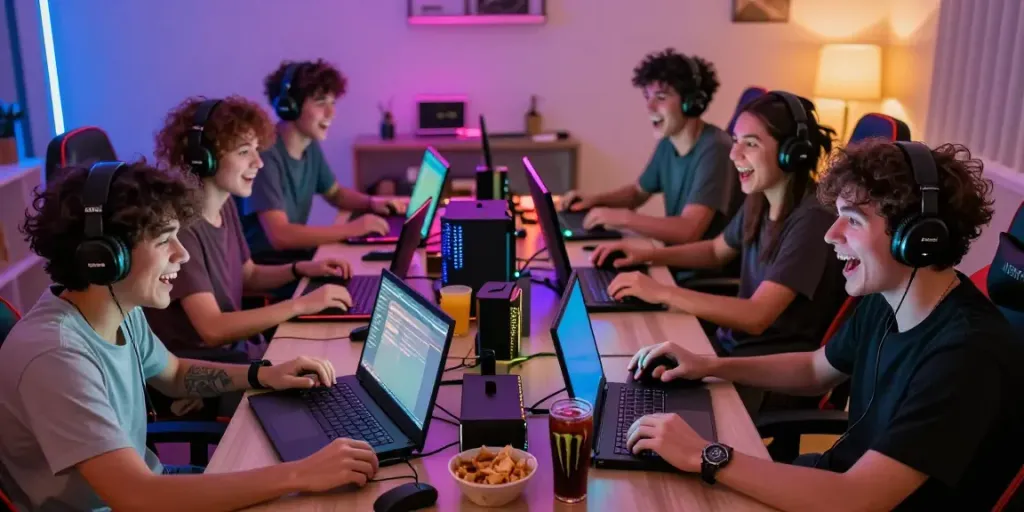
Understanding Multiplayer Game Genres
Choosing the right multiplayer game is crucial for a fun gaming experience with friends. As online gaming continues to evolve, the variety of genres available can sometimes be overwhelming. Whether you're interested in battle royales, cooperative shooters, or strategic team games, it's essential to find titles that resonate with all players. When exploring options, mild88 offers comprehensive insights into selecting the perfect game for your group dynamics. This article will delve into popular game genres, assess player preferences, and highlight the importance of teamwork in crafting a memorable gaming session.
Popular Genres for Group Play
Multiplayer games are diverse, catering to various tastes and play styles. Some of the most popular genres include:
- Battle Royale: Games like Fortnite and Apex Legends provide intense competition with players dropping into large maps, scavenging for resources, and fighting to be the last one standing.
- Team-Based Shooters: Titles like Valorant and Overwatch emphasize teamwork and strategy, where players must collaborate to achieve objectives while utilizing unique character abilities.
- Cooperative Survival: Games such as Left 4 Dead and Deep Rock Galactic challenge players to survive waves of enemies, requiring strong communication and teamwork.
- Role-Playing Games (RPG): Multiplayer RPGs, like World of Warcraft, draw players into expansive worlds filled with quests, allowing for cooperative play that is rich in narrative and character development.
Assessing Player Preferences
Understanding your group’s preferences can significantly enhance the gaming experience. Consider the following factors:
- Skill Levels: Ensure all players are comfortable with the game mechanics to prevent frustration among beginners.
- Genre Preferences: Take time to discuss favorite genres and past gaming experiences.
- Time Commitment: Some games require longer sessions, which may not suit everyone's schedule.
Game Dynamics and Teamwork
Each genre offers different dynamics that can either enhance or hinder teamwork. For instance, battle royale games often force players to work closely for survival, creating an environment that fosters strong team bonds. On the other hand, games like League of Legends require strategic planning and coordination to succeed in matches that can last over 30 minutes. It’s essential to select games that promote open communication and shared strategy to make the experience enjoyable for everyone involved.
Technical Requirements for Optimal Gameplay
Before diving into a game, it’s vital to examine the technical specifications required for optimal performance. Sudden crashes or lagging can ruin an otherwise enjoyable session. Here’s a breakdown of what to consider:
Hardware Specifications to Consider
The first step is ensuring that all players’ devices meet or exceed the recommended specifications for the game. Key components include:
- CPU and GPU: A powerful processor and graphics card are essential for rendering high-quality graphics smoothly.
- RAM: Enough memory is crucial for running multiple applications and the game simultaneously without issues.
Storage Needs for Multiplayer Games
Many modern multiplayer games require significant storage space. It's important to check the game’s installation size and ensure enough free space is available on your device. Consider utilizing an external hard drive for larger titles if internal storage is limited.
Ensuring Compatibility Across Devices
Cross-platform compatibility has become increasingly prevalent, allowing players on different devices to connect. However, not all games offer this feature. Always ensure that the selected game can accommodate everyone’s device preferences, which also includes considering platform-specific features that could enhance gameplay.
Communication Tools in Gaming
Effective communication is paramount in multiplayer gaming. Tools that facilitate discussion can make all the difference during intense gameplay. Here are several communication options to consider:
Benefits of Built-in Voice Chat Systems
Many multiplayer games include built-in voice chat, allowing for instant communication. This feature can be vital for executing strategies quickly or coordinating complex maneuvers during gameplay.
Using Ping Systems for Coordination
Ping systems allow players to mark locations or items, which can be crucial during fast-paced bouts. Games like Fortnite and Valorant have integrated these systems to enhance team coordination without requiring voice chat.
Third-party Communication Options
For groups that prefer more robust communication tools, third-party applications such as Discord or TeamSpeak can facilitate clearer interaction. These platforms offer additional features like text chat and customizable voice channels, enhancing overall communication quality.
Server Stability and Game Updates
Technical stability is vital for seamless gameplay. Both server reliability and regular game updates contribute to a positive gaming experience. Here’s why they matter:
Importance of Low Latency Servers
Latency, measured in milliseconds, is crucial for ensuring smooth gameplay. Low latency (ideally under 50 ms) helps prevent lag, particularly in fast-paced games where split-second decisions can lead to victory or defeat.
Regular Updates and Content Releases
Game developers who consistently release updates, fix bugs, and introduce new content keep their games fresh and engaging. This practice ensures that players remain interested over time, leading to a healthy community around the game.
Evaluating Developer Support
Choose games from developers known for their excellent customer service and community engagement. Active support can enhance the gaming experience and create a loyal player base.
Fair Matchmaking Practices
Matchmaking is essential for creating balanced and enjoyable gameplay sessions. Here’s how to assess matchmaking systems:
Understanding Matchmaking Algorithms
Many games use complex algorithms to match players based on skill level, experience, and past performance. Understanding how these systems work can help players find matches that suit their skills and enhance their gaming experience.
Managing Skill Levels Among Players
Fair matchmaking ensures that players of similar skill levels compete against each other. This practice results in balanced gameplay, where beginners aren’t overwhelmed by more experienced players, leading to a more enjoyable experience for all.
Creating a Healthy Competitive Environment
A healthy competitive environment encourages players to improve their skills and enjoy the game without feeling disheartened by continuous losses. Regular adjustments to matchmaking systems can help maintain this balance.
Frequently Asked Questions
How can I choose the right multiplayer game for my group?
Start by discussing preferences regarding genre, game mechanics, and play styles. Look for games that cater to the skill levels and interests of all group members.
What hardware specifications should I prioritize for gaming?
Focus on the CPU, GPU, and RAM based on the specific requirements of the games you want to play. Check compatibility with existing devices to avoid any issues.
How do communication tools affect team gameplay?
Effective communication can significantly enhance teamwork, allowing for strategic planning and quick adaptability during gameplay. Utilizing voice chat and ping systems can improve overall performance.
What role does server stability play in gaming experience?
Server stability affects gameplay quality, with low latency being essential for online competitions. Players should prioritize games with reliable servers for a seamless experience.
Why is fair matchmaking important in multiplayer games?
Fair matchmaking ensures a balanced playing field, allowing players of similar skills to compete against each other. This practice helps maintain enjoyment and encourages growth.