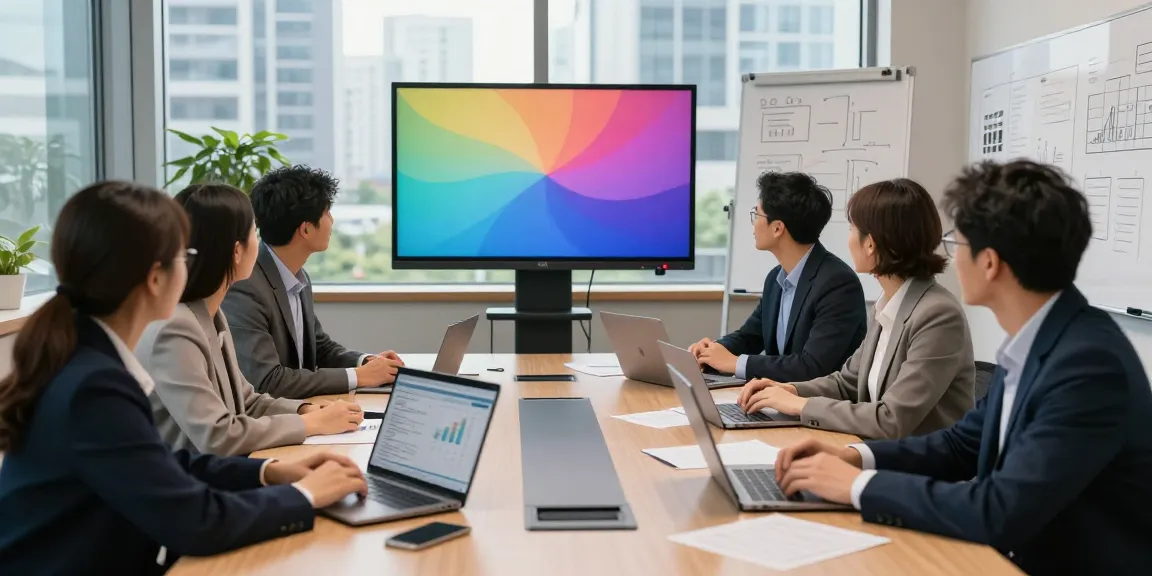
Understanding the Impact of Collaborative Workspaces
In today's fast-paced work environment, collaborative workspaces have become increasingly popular as organizations strive to enhance productivity and foster innovation. These shared environments offer teams the flexibility to work together in a more dynamic setting, often leading to improved performance and employee satisfaction. However, creating a successful co-working environment requires a nuanced understanding of both its benefits and challenges. When exploring options, https://www.www456bd.com/ provides comprehensive insights into effective collaborative strategies that can transform team dynamics.
What Defines a Successful Co-Working Environment?
A successful co-working environment is characterized by several key elements that promote collaboration and efficiency. First and foremost, the layout plays a critical role; open spaces with designated areas for brainstorming and informal meetings encourage spontaneous interaction. Additionally, access to essential resources such as high-speed internet, printing facilities, and conference rooms enhances productivity. Moreover, fostering a culture of inclusivity and respect among team members is vital, as it ensures that everyone feels valued and engaged.
Benefits of Team Collaboration for Businesses
Businesses that prioritize team collaboration in co-working spaces can reap numerous benefits. Enhanced creativity is often cited as a primary advantage, as diverse teams bring varied perspectives that can lead to innovative solutions. Furthermore, collaboration strengthens relationships among employees, improving morale and leading to higher retention rates. Studies have also shown that organizations embracing collaborative practices see a marked increase in efficiency, resulting in faster project completions and reduced time-to-market for new products.
Challenges Faced by Teams in Shared Spaces
Despite the advantages, teams in shared spaces can encounter specific challenges that hinder their effectiveness. Noise and distractions are common obstacles, particularly in open-plan offices. Additionally, differing work styles and cultural backgrounds can lead to conflicts among team members. To mitigate these issues, organizations must implement strategies to promote focus and foster understanding within teams. For instance, establishing quiet zones and encouraging open communication can significantly improve the working environment.
Effective Communication Strategies in Professional Settings
Effective communication is the backbone of successful collaboration. In a professional setting, clear communication can drastically enhance teamwork, reducing misunderstandings and streamlining processes. To achieve this, organizations should invest in technology that facilitates efficient communication. Tools such as video conferencing software, real-time collaboration platforms, and project management applications create avenues for seamless interaction and information sharing.
Utilizing Technology for Efficient Communication
The right technology can transform communication within teams. Platforms like Slack and Microsoft Teams enable quick messaging and file sharing, while tools like Zoom facilitate virtual meetings, bridging the gap between remote and in-office employees. Moreover, utilizing project management tools such as Asana or Trello allows teams to track progress and deadlines, ensuring everyone is aligned on tasks and responsibilities.
Overcoming Common Communication Barriers
In any professional setting, communication barriers can arise from various factors, including cultural differences, language barriers, and varying levels of technological proficiency. To overcome these challenges, organizations should foster an environment that encourages feedback and open dialogue. Regular training sessions can also equip employees with the skills necessary to communicate effectively across diverse teams.
Best Practices for Team Meetings and Presentations
Meetings and presentations are integral to team communication, and optimizing these interactions can lead to more productive outcomes. Establishing a clear agenda before meetings helps keep discussions focused and efficient. Additionally, employing visual aids and interactive elements during presentations can engage team members and enhance understanding. Finally, encouraging questions and feedback fosters a collaborative atmosphere where everyone feels empowered to contribute.
Fostering Innovation through Team Collaboration
Collaboration is a powerful catalyst for innovation, enabling teams to generate new ideas and solutions. Creating an environment that encourages creativity is essential for maximizing this potential. Organizations can foster innovation by promoting a culture of experimentation and allowing employees to explore unconventional ideas without fear of failure.
Creating an Environment that Encourages Creativity
To cultivate a creative workspace, organizations should provide flexible spaces that adapt to various working styles. Incorporating elements like writable walls, comfortable seating areas, and access to resources such as art supplies can stimulate creative thinking. Furthermore, implementing brainstorming sessions that value all ideas can empower employees to think outside the box.
Real-World Examples of Innovative Team Projects
Many successful companies have harnessed the power of team collaboration to drive innovation. For instance, Google’s “20% time” policy allows employees to dedicate a portion of their workweek to personal projects, resulting in groundbreaking products like Gmail and Google News. Similarly, IDEO, a design and consulting firm, employs a collaborative approach to design thinking that has led to numerous innovative solutions across various industries.
Measuring the Impact of Innovation in Business
To assess the effectiveness of collaborative efforts in fostering innovation, organizations should establish key performance indicators (KPIs). Metrics such as the number of new ideas generated, the speed of project execution, and customer feedback on new products can provide valuable insights into the impact of collaboration on innovation. Regular performance reviews can help teams refine their strategies and further enhance their collaborative processes.
Measuring Performance and Success Indicators
Measuring team performance is crucial for organizations aiming to optimize their collaborative efforts. By establishing success indicators, companies can gain a clearer understanding of their teams’ effectiveness and areas for improvement. Key metrics can include project completion rates, employee satisfaction scores, and the quality of deliverables.
Key Metrics for Evaluating Team Performance
To effectively evaluate team performance, companies should focus on both qualitative and quantitative metrics. Quantitative metrics, such as deadlines met and tasks completed, provide clear benchmarks. In contrast, qualitative metrics, such as team cohesion and communication effectiveness, offer insights into the team's dynamics and interpersonal relationships.
Tools for Tracking Progress and Outcomes
Utilizing project management software can significantly enhance the ability to track team performance. Tools like Monday.com and ClickUp provide real-time updates and analytics on tasks, deadlines, and team member contributions. Moreover, regular check-ins and feedback sessions can help leaders assess progress and make necessary adjustments to strategies.
Adjusting Strategies Based on Performance Data
Organizations must remain agile in their approach to collaboration. By continually analyzing performance data, teams can identify trends, challenges, and successes. This information is invaluable for refining strategies and ensuring that collaborative efforts align with the organization’s overall goals and objectives.
Future Trends in Business Collaboration for 2026 and Beyond
Looking ahead, the landscape of business collaboration is poised for significant evolution. Emerging technologies and changing workforce dynamics will shape the future of how teams work together. Understanding these trends can position organizations at the forefront of collaboration best practices.
Emerging Technologies Shaping Collaborative Work
As technology advances, new tools for collaboration will continue to emerge. Virtual and augmented reality applications are set to revolutionize remote collaboration, allowing teams to engage in immersive environments regardless of their physical location. Additionally, artificial intelligence will enhance collaboration by automating routine tasks and providing insights based on team interactions and performance metrics.
Predicting the Evolution of Co-Working Spaces
Co-working spaces are likely to evolve in response to changing workforce expectations. The future may see a greater emphasis on hybrid models, where remote work is seamlessly integrated with in-office collaboration. This shift will necessitate flexible office designs and technology that supports a variety of work environments.
Preparing for Changes in Team Dynamics and Structure
As teams become increasingly diverse, organizations must prepare for changes in team dynamics and structure. Emphasizing inclusivity and cross-cultural communication will be essential to harnessing the full potential of diverse teams. Training programs that focus on building emotional intelligence and understanding different work styles can further enhance collaboration.
What are the benefits of co-working spaces?
Co-working spaces provide benefits such as increased collaboration, networking opportunities, and access to resources that can enhance productivity. By fostering a community atmosphere, these environments encourage creativity and innovation among diverse teams.
How can communication be improved in teams?
Effective communication within teams can be improved by implementing regular check-ins, utilizing collaborative tools, and fostering an open culture where feedback is encouraged. Training employees on communication best practices can also help bridge gaps in understanding.
What technologies enhance teamwork efficiency?
Technologies such as project management software, video conferencing tools, and real-time collaboration platforms enhance teamwork efficiency by streamlining communication and task management, making it easier for teams to work together effectively.
How do we measure team performance effectively?
Team performance can be measured effectively through a combination of qualitative and quantitative metrics, including project completion rates, employee satisfaction scores, and feedback from team interactions. Utilizing project management tools can also help track progress and outcomes.
What trends should businesses watch for in 2026?
Businesses should keep an eye on trends such as the rise of remote collaboration technologies, the evolution of co-working spaces, and an increased focus on inclusivity and diversity in teams. For more information, casino 456bd offers valuable insights. Adapting to these trends will be vital for maintaining competitive advantage in the future.