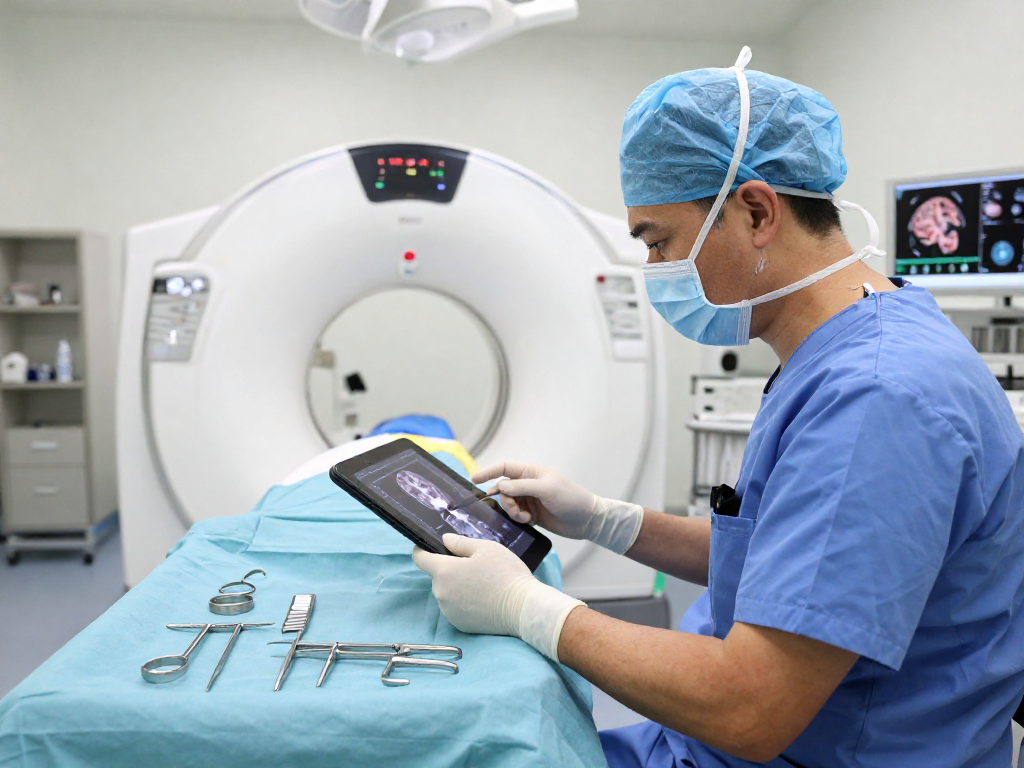
Understanding Brain Tumors
Brain tumors, whether benign or malignant, pose significant health challenges and can have profound implications on an individual's life. With advancements in medical technology, the landscape of brain tumor treatment, especially surgery, has evolved remarkably. This article aims to provide an in-depth understanding of brain tumors, the surgical procedures involved, the associated risks, and essential recovery strategies. For those seeking further insights into this critical area, beyin tümörü ameliyatı provides comprehensive insights that can aid in making informed decisions.
What is a Brain Tumor?
A brain tumor is an abnormal growth of cells in the brain, which can be classified into two main categories: primary and secondary tumors. Primary tumors originate in the brain itself, while secondary tumors arise from cancer cells that spread from other parts of the body, such as the lungs or breast. These tumors can disrupt normal brain function, leading to a variety of neurological symptoms.
Types of Brain Tumors: Meningiomas and Gliomas
Brain tumors are categorized based on the type of cells they affect. Meningiomas, which arise from the meninges (the protective layers surrounding the brain), are typically benign and slow-growing, while gliomas, which originate from glial cells, can be aggressive and malignant. Gliomas are further classified into low-grade and high-grade tumors, with the latter being more difficult to treat and having a poorer prognosis.
Symptoms of Brain Tumors to Watch For
The symptoms of brain tumors can vary widely depending on their size, type, location, and the pressure they exert on surrounding tissues. Common symptoms may include:
- Headaches that worsen over time
- Nausea and vomiting
- Changes in vision, hearing, or speech
- Balance issues or coordination problems
- Seizures
- Cognitive or personality changes
The Brain Tumor Surgery Process
The surgical management of brain tumors is a complex, multifaceted process that involves thorough preoperative assessment, careful planning, and advanced surgical techniques. Understanding each stage can help patients and their families navigate the challenges involved.
Stages of Brain Tumor Surgery
The brain tumor surgery process consists of several key stages:
- Diagnosis: Imaging techniques such as MRI and CT scans are used to diagnose the presence of a tumor.
- Preoperative Preparation: This involves evaluating the patient's overall health and potential surgical risks.
- Surgery: The actual removal of the tumor via techniques such as craniotomy and minimally invasive approaches.
- Postoperative Care: Includes monitoring and managing recovery, complications, and rehabilitation.
Preoperative Preparation for Surgery
Before surgery, a comprehensive assessment is conducted. This includes obtaining a detailed medical history, physical examinations, and imaging studies to pinpoint the tumor's location and assess any potential risks during the procedure. The anesthesia team will also evaluate patients to tailor anesthetic care suited for the surgery.
Advanced Surgical Techniques in Brain Tumor Removal
Modern neurosurgical procedures employ innovative techniques such as:
- Mikrosurgery: Utilizing microscopes to enhance visualization for more precise tumor removal.
- Neuronavigation: Advanced imaging allowing surgeons to navigate accurately to the tumor location.
- Awake Craniotomy: Performed with the patient awake to monitor critical brain functions during the operation.
Risks and Complications Associated with Surgery
Like any major surgical procedure, brain tumor surgery carries inherent risks. Understanding these risks helps patients make informed decisions regarding their treatment options.
Common Risks of Brain Tumor Surgery
Potential risks include:
- Infection
- Bleeding
- Cerebrospinal fluid leaks
- Nerve damage
- Seizures
- Persistent neurological deficits
Managing Postoperative Complications
Effective management of complications requires close monitoring and timely intervention. Healthcare teams will often assess the patient's neurological status regularly and employ imaging strategies to detect any postoperative issues early. Medications may be prescribed to manage pain, prevent infections, and reduce swelling.
Long-term Effects of Brain Tumor Surgery
Some patients may experience long-term effects after brain surgery, including cognitive changes, physical limitations, or emotional adjustments. Rehabilitation interventions involving physical therapy, occupational therapy, and counseling can play a crucial role in enhancing the quality of life for survivors.
Recovery and Follow-Up Care
Postoperative recovery is a critical phase that dictates the long-term success of the surgery. Understanding the recovery process can ease anxiety for both patients and loved ones.
Immediate Postoperative Care Steps
After surgery, patients are typically moved to a recovery unit for close monitoring of vital signs and neurological functions. Initial care focuses on pain management, hydration, and ensuring normal bodily functions resume.
Importance of Follow-Up Imaging and Assessments
Routine follow-up imaging is vital for assessing the tumor's status and identifying any signs of recurrence as early as possible. Patients will also have scheduled assessments to monitor neurological function and overall recovery progress.
Rehabilitation After Brain Tumor Surgery
Rehabilitation services are essential for helping patients regain their independence and manage any functional deficits resulting from surgery. Multidisciplinary rehab teams work collaboratively to design personalized therapy regimens that address the unique needs and goals of each patient.
The Future of Brain Tumor Treatments
As medical science progresses, the future of brain tumor treatments looks promising, with ongoing research uncovering innovative approaches to management.
Innovations in Neurosurgery for 2026
Emerging technologies, such as robotic-assisted surgery and enhanced imaging techniques, are set to revolutionize how brain tumors are diagnosed and treated. These advancements aim to refine surgical precision and minimize patient recovery time.
Role of Stereotactic Radiosurgery and Gamma Knife
Stereotactic radiosurgery (SRS), including the Gamma Knife technique, offers a non-invasive approach to target tumors precisely. This method is particularly beneficial for patients who may not be candidates for traditional surgery due to health concerns or tumor location.
Looking Ahead: Research Trends in Brain Cancer Treatment
The landscape of brain cancer treatment continues to evolve with research focused on personalized medicine, immunotherapy, and targeted therapies designed to improve outcomes while minimizing side effects.
What are the Typical Recovery Times After Surgery?
Recovery times can vary widely among individuals, with many patients returning to normal activities within weeks to months post-surgery, depending on the tumor type, location, and extent of removal.
What Should Patients Expect During Hospitalization?
Patients can expect close monitoring, pain management, and personalized care plans throughout their hospital stay. Effective communication with the healthcare team is key to addressing any concerns promptly.
How are Brain Tumor Surgery Outcomes Evaluated?
Outcomes are evaluated based on tumor removal success, the patient's neurological status, and improved quality of life. Regular follow-ups and imaging help guide ongoing treatment strategies.
What Are Potential Signs of Tumor Recurrence?
Patients should be vigilant for signs of recurrence, including new headaches, seizures, or neurological changes. Immediate reporting of these symptoms to healthcare providers is essential.
What Support Resources are Available for Patients?
Numerous support resources, including counseling services, support groups, and educational materials, are available to assist patients and families in navigating the complexities of brain tumor diagnosis and treatment.. Additionally, beyin tümörü ameliyatı provides further details.