Understanding High Frequency PCB Manufacturing
High frequency printed circuit boards (PCBs) are at the heart of modern telecommunications, advanced medical devices, and sophisticated electronic systems. They are specifically engineered to operate efficiently at radio frequencies (RF) and microwave frequencies, typically above 500 MHz. As technology propels towards higher data speeds and enhanced signal integrity, the demand for expert high frequency PCB manufacturer services has surged. In this article, we will explore the critical aspects of high frequency PCBs, the manufacturing process, and the future trends that will shape this vital industry.
What is High Frequency PCB?
High frequency PCBs are special circuit boards designed to transmit signals at frequencies above 1 GHz. The properties of RF and microwave signals are different from those of lower-frequency signals, requiring unique design considerations. These boards often utilize materials with a low dielectric constant and low loss tangent to minimize signal loss and distortion.
The Importance of High Frequency PCBs in Modern Technology
The significance of high frequency PCBs cannot be overstated. They are essential in applications ranging from mobile phones and satellite communications to radar systems and medical imaging devices. The increasing reliance on wireless communications, particularly with the rollout of 5G technology, has amplified the need for advanced PCB designs that can handle higher frequencies with precision and reliability.
Key Materials Used in High Frequency PCBs
High frequency PCBs are typically constructed using specialized materials that can withstand the rigors of signal transmission. Some of the most common materials include:
- PTFE (Polytetrafluoroethylene): Known for its low dielectric loss and high thermal stability, PTFE is a popular choice for high frequency applications.
- Rogers Materials: Rogers offers a range of laminates designed specifically for RF and microwave applications, characterized by their low loss properties.
- Ceramic-Based Substrates: These materials provide excellent thermal conductivity and low dielectric loss, making them suitable for high frequency applications.
Identifying the Right High Frequency PCB Manufacturer
Choosing the right manufacturer for high frequency PCBs is crucial for ensuring product quality and reliability. Factors to consider include the manufacturer's experience, technology, and reputation in the industry.
Key Qualities to Look for in a Manufacturer
When selecting a high frequency PCB manufacturer, look for the following qualities:
- Expertise: The manufacturer should have a proven track record in producing high frequency PCBs and a deep understanding of RF technology.
- State-of-the-Art Equipment: Advanced manufacturing equipment is essential for producing high-quality PCBs that meet precise specifications.
- Quality Certifications: Look for certifications such as ISO 9001 to ensure quality management practices are in place.
Evaluating Manufacturer Capabilities and Technologies
Assess the manufacturer’s capabilities by examining their production processes and technologies. Capabilities may include:
- Advanced imaging and etching technologies for precise PCB layouts.
- Automated testing methods to ensure signal integrity and performance.
- Custom fabrication techniques that cater to specific project needs.
Customer Reviews and Case Studies: What to Consider
Researching customer reviews and case studies can provide insight into a manufacturer’s reliability and the quality of their products. Look for feedback on:
- Delivery timelines and responsiveness to customer needs.
- The accuracy of the final product compared to specifications.
- Overall customer satisfaction and willingness to recommend the manufacturer.
Design Considerations for High Frequency PCBs
Designing high frequency PCBs involves several critical considerations to ensure optimal performance. Understanding these elements can significantly impact the effectiveness of the final product.
Understanding Impedance Control
Impedance control is essential for reducing signal reflections and losses. Designers must ensure that trace widths and spacing are precisely calculated to maintain the desired impedance levels throughout the PCB layout, typically 50 ohms for RF applications.
Best Practices for High Frequency PCB Design
Adhering to best practices can help avoid common issues in high frequency PCB design:
- Utilize ground planes to minimize noise and crosstalk.
- Implement proper via designs to prevent signal degradation.
- Keep traces as short as possible to reduce inductance and capacitance.
Common Mistakes to Avoid in High Frequency PCB Design
Common pitfalls include:
- Neglecting to account for the effects of temperature on material properties.
- Overlooking electromagnetic interference (EMI) and crosstalk.
- Using inappropriate materials that do not meet RF specifications.
Manufacturing Processes for High Frequency PCBs
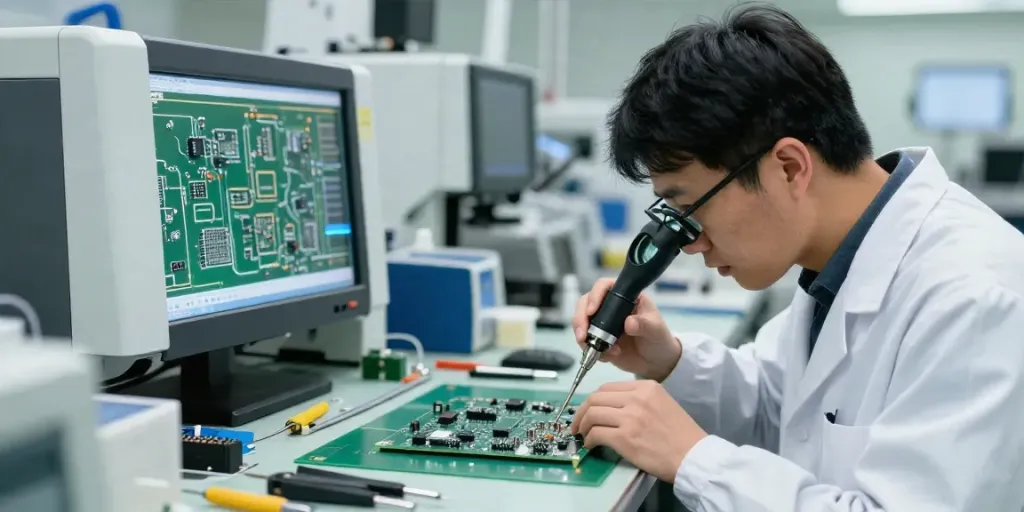
The manufacturing process for high frequency PCBs is intricate and requires precision to ensure the high performance of electronic devices.
Overview of Manufacturing Techniques
Key manufacturing techniques include:
- Etching: A process used to remove unwanted copper from the PCB surface to create circuit patterns.
- Lamination: Layers of materials are bonded together to form the final PCB structure, critical for maintaining signal integrity.
- Drilling: Accurate drilling is essential for vias and component mounting holes to ensure signal pathways are intact.
Quality Assurance in High Frequency PCB Production
Quality assurance processes are vital in high frequency PCB production. Manufacturers often perform:
- Electrical testing for continuity and signal integrity.
- Visual inspections to ensure compliance with design specifications.
- Environmental testing to evaluate performance under various conditions.
Emerging Technologies in High Frequency PCB Manufacturing
The PCB manufacturing industry is continually evolving. Emerging technologies include advanced simulation software for design validation, additive manufacturing methods, and automated testing systems that improve efficiency and accuracy.
Future Trends in High Frequency PCB Manufacturing
As the demand for high frequency PCBs grows, so does the need for innovative solutions and materials that can keep pace with technological advancements.
Predictions for the PCB Industry by 2026
By 2026, the PCB industry is expected to see significant shifts due to the increasing sophistication of electronic devices and the rise of 5G technology. Key predictions include:
- A greater focus on sustainability and eco-friendly materials in PCB production.
- Enhanced automation in manufacturing processes to increase efficiency.
- Greater integration of smart technologies in PCB designs to accommodate for IoT applications.
Impact of 5G and IoT on High Frequency PCB Requirements
The rollout of 5G technology and the growth of IoT devices will drive demand for high frequency PCBs that can handle large amounts of data with minimal latency. This requires advancements in design and materials to maintain signal integrity and performance.
Innovations in Materials and Design for Future PCBs
Future innovations in materials may include the use of advanced composites that offer superior thermal and electrical performance. Additionally, design methodologies may evolve to incorporate more sophisticated simulation techniques that enable rapid prototyping and iteration.
What are the top high frequency PCB manufacturers?
Identifying the leading high frequency PCB manufacturers involves researching industry certifications, technological capabilities, and customer experiences. Companies such as Rogers Corporation, Isola Group, and Taconic are recognized for their exceptional products in high frequency PCB manufacturing.
How do I choose a quality PCB manufacturer?
To choose a quality PCB manufacturer, consider their experience, production capabilities, customer feedback, and certifications. It's also prudent to ask for samples or case studies to evaluate their work firsthand.
What materials are best for high frequency PCBs?
The best materials for high frequency PCBs typically include PTFE, Rogers laminates, and ceramic substrates, all of which are designed to minimize loss and maintain signal integrity.
What challenges are faced in high frequency PCB production?
Challenges in high frequency PCB production include maintaining consistent quality, managing thermal properties, and ensuring adequate signal integrity throughout the design process.
How does temperature affect high frequency PCB performance?
Temperature variations can alter the dielectric properties of materials used in high frequency PCBs, affecting signal loss and impedance. Therefore, careful thermal management is essential to maintain performance.