Understanding the Importance of Clean Wheels and Tires
Why Clean Wheels and Tires Matter
Maintaining clean wheels and tires is crucial for several reasons. First and foremost, clean wheels enhance the aesthetic appeal of a vehicle, helping it stand out on the road. Accumulated dirt, brake dust, and grime can make even the most elegant vehicle look neglected and unattractive. Furthermore, clean wheels are essential for your safety. Excess dirt can cause the brakes to perform poorly, leading to decreased efficiency and increased wear.
Common Sources of Dirt and Grime
Wheels and tires are constantly exposed to a range of contaminants. The most common sources of dirt include brake dust, mud, road salt, and debris from the road. Brake dust, in particular, is notorious for clinging to wheels and can lead to corrosion if left untreated. Road chemicals, such as those used for de-icing in winter, can also contribute to the breakdown of protective coatings on wheels, leading to a dull and tarnished appearance.
Benefits of Regular Cleaning
Regular cleaning of wheels and tires provides several benefits. It helps prevent corrosion, extends the life of your tires, and maintains your vehicle’s resale value. Additionally, frequently cleaned wheels will be easier to maintain over time since dirt and grime won’t have the chance to harden or adhere as much. You’ll also enjoy safer driving experiences due to enhanced braking efficiency.
Essential Tools for Cleaning Wheels and Tires
Cleaning Products You Need
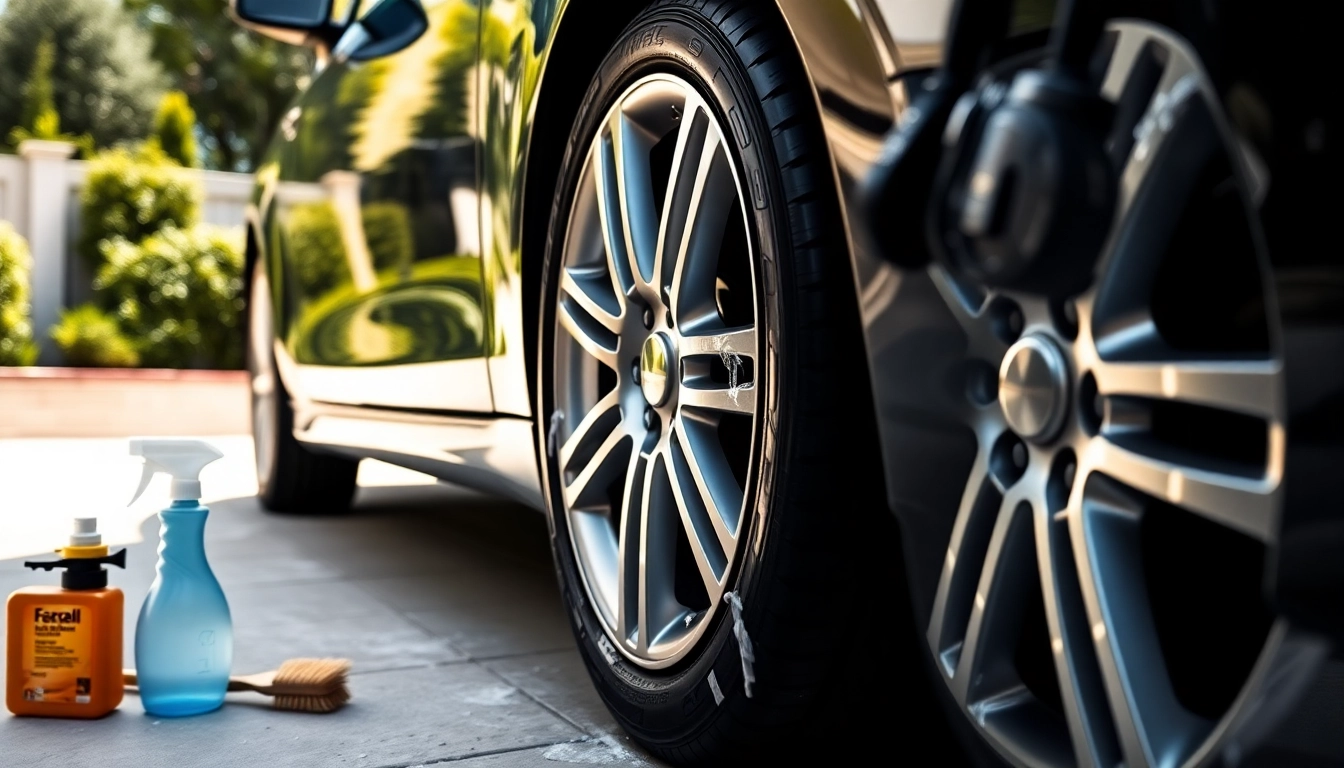
When embarking on the quest for clean wheels and tires, having the right products is essential. A dependable wheel cleaner is a crucial component. Look for pH-balanced formulas designed to break down brake dust and grime without damaging your wheels. Additionally, tire cleaners that target rubber specifically are available. Avoid dish soaps and bleach, as they may damage both wheels and tires in the long term.
Recommended Brushes and Accessories
Investing in the right brushes can make the cleaning process significantly easier. A variety of brushes are designed specifically for wheel cleaning, including soft-bristle brushes for sensitive surfaces and stiff-bristle brushes for tough grime. Wheel woolies or microfiber towels can help with those hard-to-reach areas. Always choose brushes appropriate for your wheel type to prevent scratches.
Protective Gear for the Cleaning Process
Using protective gear while cleaning is often overlooked. Gloves can protect your skin from harsh chemicals, while goggles can shield your eyes from splashes. If you’re working with products that generate fumes, consider using a mask to filter out undesirable odors. This is particularly important for those with sensitive skin or respiratory concerns.
Step-by-Step Guide: Best Way to Clean Car Wheels and Tires
Preparation Steps Before Cleaning
Before starting the cleaning process, ensure your vehicle is parked on a flat, stable surface. Gather all your cleaning supplies and tools, and don’t forget to wear your protective gear. Rinse the wheels with water to remove larger debris and loosen grime. This initial rinse sets the stage for more effective cleaning and prevents scratching during the scrubbing phase.
Effective Cleaning Techniques
To clean wheels and tires effectively, apply the chosen wheel cleaner evenly over the surface. Allow it to dwell for a period as directed by the product instructions. Then, using a soft brush, scrub the wheel surfaces, concentrating on intricate designs where grime can collect. For tires, utilize a dedicated tire cleaner and a stiff-bristle brush to agitate the rubber, bringing out the original color and shine.
Finishing Touches for a Perfect Shine
After scrubbing, rinse the wheels and tires thoroughly to remove any residual cleaner. Ensure there’s no soap left that could lead to streaking or dullness. After rinsing, use a microfiber towel to dry the surfaces completely. Applying a tire dressing can add a finishing touch, providing a protective layer and enhancing shine. Ensure any dressing is applied evenly and allows time to cure for optimal results.
Best Practices to Maintain Clean Wheels and Tires
Creating a Cleaning Schedule
Establishing a routine cleaning schedule will keep your wheels and tires looking their best. Depending on your driving habits and environmental conditions, plan on cleaning every two weeks or at least once a month. Regular checks after inclement weather can help when road treatments like salt and chemicals are applied. Adhering to a schedule will aid in maintaining that pristine appearance and extending the life of your tires.
Tips for Preventing Build-Up
To minimize dirt accumulation, consider applying a protective sealant on your wheels. This creates a barrier between your wheels and contaminants, making it easier to wash off dirt during the next cleaning cycle. Additionally, when washing your car, avoid pressurized water sprays directly at the wheels to stop dirt from splattering back onto clean surfaces.
Choosing the Right Products for Maintenance
Investing in quality products pays off in the long run. Research and select products that have received positive reviews, specifically mentioning their effectiveness on your type of wheels. Look for eco-friendly options if you're conscious about the environment, but ensure they still meet your cleaning needs.
Frequently Asked Questions
How often should I clean my car wheels?
It's best to clean your wheels every couple of weeks or after heavy use to maintain their shine and prevent damage.
Can I use regular household cleaners?
While some household cleaners are safe, it's advisable to use products specifically designed for wheels and tires for the best results.
What are the best brushes for wheel cleaning?
A microfiber brush and a stiff brush for grooves are ideal for effective and thorough cleaning of wheels.
How can I remove tough brake dust?
Using a dedicated wheel cleaner and a stiff brush will effectively lift tough brake dust without scratching the wheel surface.
Is it necessary to dry my wheels after cleaning?
Yes, drying helps prevent water spots and allows you to inspect the wheels for any remaining dirt or damage.
For more information on the best way to clean car wheels and tires, be sure to explore various resources and apply tips that suit your specific vehicle’s needs. Happy cleaning!