
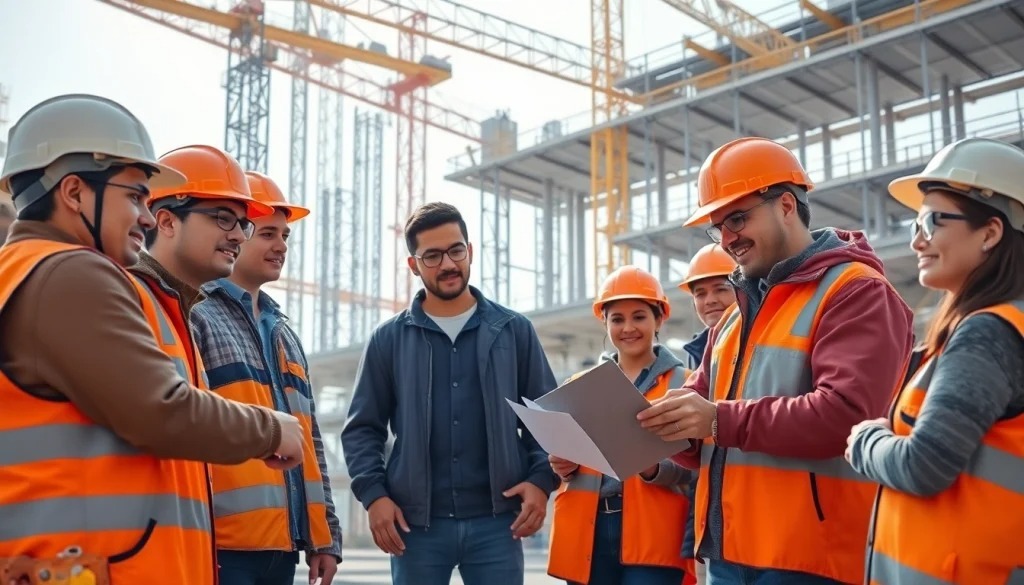
Contractor political advocacy Texas plays a major role in supporting the long-term growth, stability, and success of the construction industry throughout the state. As construction regulations, labor laws, infrastructure funding, and workforce policies continue evolving, Contractor political advocacy texas helps ensure that contractors have a voice in important legislative and regulatory decisions. Many industry professionals rely on Contractor political advocacy Texas efforts to protect fair business practices, improve workforce development opportunities, and support infrastructure investment across local communities. Through organized representation and collaboration with lawmakers, Contractor political advocacy Texas helps construction businesses address industry challenges and promote policies that encourage economic growth. Contractors understand that Contractor political advocacy Texas is essential for maintaining competitive markets, improving project opportunities, and reducing unnecessary regulatory burdens. In addition, Contractor political advocacy Texas supports issues related to workplace safety, education programs, skilled labor development, and fair contracting procedures. Construction companies benefit from Contractor political advocacy Texas because it helps strengthen communication between industry leaders and government officials responsible for shaping construction-related policies. The growing complexity of modern construction projects has increased the importance of Contractor political advocacy Texas in protecting industry interests and supporting long-term development goals. Whether focused on labor regulations, public infrastructure funding, or workforce training, Contractor political advocacy Texas continues influencing the future of construction across the state. Overall, Contractor political advocacy Texas remains an important force behind economic progress, industry representation, and construction market growth.
What Is Contractor Political Advocacy?
Political advocacy in the construction industry involves organized efforts to influence policies, regulations, and legislation that affect contractors, workers, and construction businesses.
Contractor political advocacy Texas often includes:
- Meeting with lawmakers
- Supporting workforce legislation
- Advocating for infrastructure funding
- Promoting fair labor policies
- Addressing regulatory concerns
- Protecting contractor rights
These advocacy efforts help ensure that the construction industry remains represented during important policy discussions.
Supporting Infrastructure Growth
One of the biggest reasons Contractor political advocacy Texas is important is its impact on infrastructure development.
Texas continues experiencing rapid population and economic growth, increasing demand for:
- Roads and highways
- Bridges
- Schools
- Hospitals
- Commercial buildings
- Public utilities
Advocating for Funding
Construction organizations involved in Contractor political advocacy Texas often support legislation that increases investment in public infrastructure projects.
Improved infrastructure funding creates:
- More construction opportunities
- Stronger local economies
- Increased employment
- Better transportation systems
Long-Term Economic Benefits
Infrastructure development supports business expansion, community growth, and improved public services throughout Texas.
Advocacy efforts help ensure construction remains a major contributor to economic development.
Protecting Fair Competition in Construction
Open and fair competition is essential for a healthy construction industry. Contractor political advocacy Texas helps protect contractors from unfair regulations or policies that may limit project opportunities.
Promoting Open Bidding
Advocacy groups often support competitive bidding systems that allow contractors of all sizes to compete fairly for public projects.
Competitive bidding encourages:
- Better project pricing
- Innovation
- Efficiency
- Higher-quality work
Reducing Unnecessary Regulations
Construction companies must already comply with numerous safety, labor, and environmental standards. Contractor political advocacy Texas helps identify regulations that may create excessive administrative burdens or unnecessary costs.
Balanced regulations support both safety and business growth.
Workforce Development and Skilled Labor Advocacy
The construction industry faces ongoing labor shortages across many skilled trades. Contractor political advocacy Texas helps address these workforce challenges by supporting education and training initiatives.
Supporting Apprenticeship Programs
Many advocacy efforts focus on increasing access to apprenticeship and workforce development programs.
These programs prepare workers in trades such as:
- Electrical work
- Plumbing
- Carpentry
- HVAC systems
- Welding
- Equipment operation
Encouraging Career Education
Construction advocacy organizations often promote technical education and career training programs in schools and colleges.
This helps attract younger workers into the construction industry and supports long-term workforce stability.
Improving Workplace Safety Standards
Workplace safety remains a top priority in construction. Contractor political advocacy Texas supports policies that improve safety while maintaining practical job site operations.
Supporting Safety Training
Advocacy organizations frequently encourage investment in:
- OSHA training
- Hazard prevention programs
- Equipment safety education
- Emergency response preparation
Better training reduces accidents and improves workforce performance.
Balancing Compliance and Practicality
Construction companies must comply with strict safety regulations. Advocacy efforts help ensure these regulations remain practical and effective for real-world construction environments.
Strengthening the Construction Economy
The construction industry contributes significantly to the Texas economy. Contractor political advocacy Texas helps protect and expand this economic impact through supportive business policies.
Encouraging Business Growth
Advocacy efforts often focus on policies that support:
- Small business development
- Tax fairness
- Workforce expansion
- Infrastructure investment
- Economic stability
Construction growth creates jobs and strengthens local communities.
Supporting Private and Public Projects
Balanced policies encourage both public infrastructure projects and private commercial development.
A strong construction market benefits:
- Contractors
- Suppliers
- Manufacturers
- Property developers
- Local governments
The Role of Industry Organizations
Many construction advocacy efforts are led by trade associations and contractor organizations that represent industry interests at local, state, and national levels.
Industry Representation
These organizations provide contractors with a collective voice when discussing legislation and public policy issues.
Representation helps ensure lawmakers understand how proposed policies may affect:
- Construction costs
- Workforce needs
- Project timelines
- Business operations
Educational Resources
Industry groups involved in Contractor political advocacy Texas often provide members with updates on:
- Regulatory changes
- Legislative developments
- Safety standards
- Workforce programs
This helps contractors remain informed and prepared for industry changes.
Addressing Labor and Employment Issues
Labor laws and employment regulations directly affect construction businesses. Contractor political advocacy Texas helps contractors participate in discussions related to workforce policies and labor standards.
Fair Employment Policies
Advocacy groups often support policies that encourage:
- Equal opportunity hiring
- Workforce flexibility
- Fair labor standards
- Employee training programs
Managing Labor Shortages
Workforce shortages remain one of the biggest challenges facing construction companies. Advocacy efforts help promote solutions that increase workforce availability and training opportunities.
Technology and Innovation Advocacy
The construction industry continues evolving through technology and innovation. Contractor political advocacy Texas supports policies that encourage modernization and efficiency.
Supporting Construction Technology
Advocacy organizations may support initiatives related to:
- Digital construction systems
- Smart infrastructure
- Advanced equipment
- Green building technologies
- Workforce technology training
Technology improves productivity and project management capabilities.
Promoting Sustainable Construction
Environmental sustainability is becoming more important in construction planning. Advocacy efforts may also support practical sustainability standards and energy-efficient building practices.
Challenges Facing Construction Advocacy
Although advocacy provides many benefits, the construction industry also faces ongoing challenges.
Changing Regulations
Frequent changes in labor laws, environmental standards, and licensing requirements can create uncertainty for contractors.
Economic Fluctuations
Economic downturns, inflation, and supply chain issues can affect construction activity and workforce stability.
Workforce Recruitment
Attracting skilled workers remains a major concern throughout the industry.
Contractor political advocacy Texas helps contractors address these issues through collaboration with policymakers and industry leaders.
The Future of Political Advocacy in Texas Construction
As Texas continues growing rapidly, the importance of Contractor political advocacy Texas will likely continue increasing.
Future advocacy priorities may include:
- Expanded infrastructure investment
- Workforce development funding
- Advanced construction technology support
- Regulatory modernization
- Sustainable building initiatives
These efforts will continue shaping the future of the construction industry.
Benefits of Strong Political Advocacy
Construction companies that participate in advocacy efforts often gain several advantages.
Industry Influence
Advocacy provides contractors with opportunities to influence decisions affecting their businesses and workforce.
Improved Business Stability
Supportive policies help create more predictable business environments for contractors and project developers.
Better Workforce Opportunities
Advocacy efforts help improve access to training, education, and skilled labor resources.
Conclusion
Contractor political advocacy Texas plays a critical role in supporting construction industry growth, workforce development, and economic progress throughout the state. Through legislative engagement, infrastructure support, workforce initiatives, and regulatory representation, Contractor political advocacy Texas helps ensure contractors remain involved in shaping policies that affect their businesses and employees.