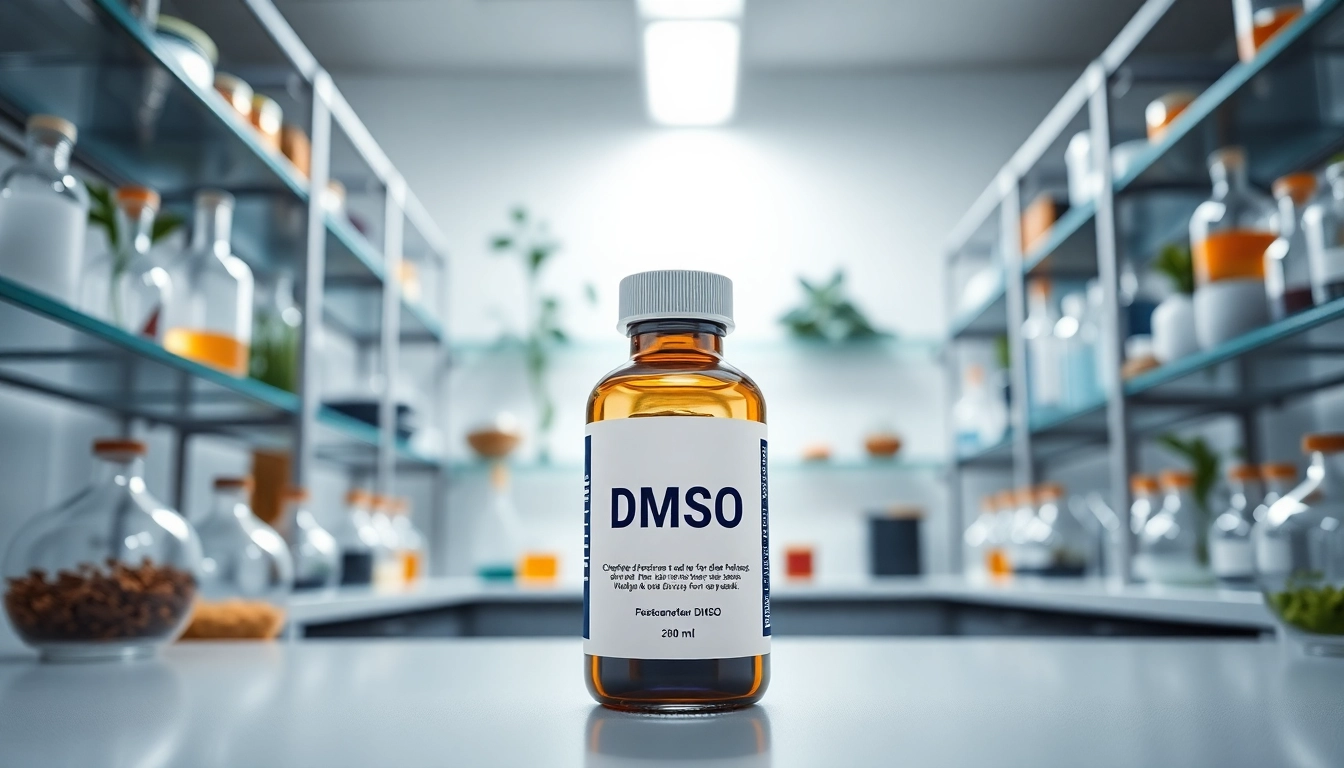
What is DMSO Supplement?
Definition and Composition
Dimethyl sulfoxide, or DMSO, is a colorless, oily liquid that is a by-product of wood pulp processing. It is scientifically classified as an organic sulfur compound and has the formula C₂H₆OS. Known for its unique ability to penetrate biological membranes, DMSO serves as both a solvent and a vehicle for carrying medications through the skin. This characteristic has made dmso supplement popular in both medical and alternative health communities.
Production Methods
The production of DMSO primarily involves the oxidation of dimethyl sulfide, a compound derived from the processing of natural gas or wood. The process commences by exposing dimethyl sulfide to oxygen at elevated temperatures, which results in the formation of DMSO along with other by-products. Overall, this method ensures the synthesis of high-purity DMSO that is safe for human consumption or topical use.
Historical Context
DMSO was first synthesized in the 19th century but gained attention in the 1960s when it was investigated for various medical applications. Notably, the FDA approved DMSO for treating interstitial cystitis, a painful bladder condition. Over decades, DMSO has been studied for its potential in treating conditions such as arthritis, stroke, and even certain types of cancer, though it remains a controversial substance due to regulatory scrutiny and its varied efficacy in different patient populations.
Health Benefits of DMSO Supplement
Pain Relief Properties
One of the hallmark benefits of DMSO is its analgesic properties. Many people use it to relieve chronic pain conditions such as arthritis, fibromyalgia, and lower back pain. Studies indicate that DMSO can block nerve pain pathways and may reduce the perception of pain, allowing users to regain functionality and comfort in their daily activities.
Anti-Inflammatory Effects
DMSO is recognized for its substantial anti-inflammatory benefits. By inhibiting the production of pro-inflammatory cytokines, DMSO may reduce swelling and pain in inflamed tissues. This property can be particularly beneficial for athletes experiencing sprains or strains as well as anyone suffering from inflammatory diseases.
Potential Advantages for Skin Care
In cosmetic applications, DMSO is sometimes used for its moisturizing and skin-healing properties. It may enhance the penetration of other beneficial compounds in skincare products, delivering them deeper into the skin. However, potential users should proceed with caution, as DMSO can also transport impurities onto the skin, which may elicit adverse reactions.
Common Uses of DMSO Supplement
Therapeutic Applications
DMSO has been used therapeutically in various medical settings. It is particularly effective for treating conditions like interstitial cystitis and other forms of chronic pain. Its analgesic and anti-inflammatory qualities make it valuable in therapy regimens, particularly for patients seeking alternative treatments for persistent symptoms.
Veterinary Uses
In veterinary care, DMSO is often utilized for treating injuries and infections in animals. Its rapid absorption through the skin and anti-inflammatory properties make it an effective topical treatment for horses, dogs, and other pets with injuries or inflammatory conditions.
Cosmetic Uses
Beyond therapeutic uses, DMSO is also found in cosmetic formulations, where it acts as a solvent and penetration enhancer. Many skincare enthusiasts have reported improved skin hydration and healing effects. However, it's essential to ensure that any cosmetic product containing DMSO also features high-quality ingredients and avoids harmful additives.
How to Use DMSO Supplement Safely
Dosage Recommendations
For those considering dmso supplement for therapeutic use, dosages can vary widely depending on the condition being treated and the individual's health status. Patients typically start with a lower dose, such as 5-10 mL, applied or consumed once or twice daily. Consulting with a healthcare professional before beginning any supplementation regimen is essential to determine the appropriate dosage.
Application Methods
DMSO can be applied topically or taken orally, but the latter method should only be done under medical supervision. Topically, it can be rubbed on the affected area with an appropriate carrier or by itself. It’s crucial to wash hands thoroughly after application to avoid accidental transfer.
Considerations and Precautions
When using DMSO, several precautions should be observed. Since it readily penetrates skin and carries other substances with it, ensure that the area where it’s applied is clean and free from irritants or contaminants. Individuals with specific health conditions or allergies should discuss potential risks with their healthcare provider. Common side effects include skin irritation and a garlic-like taste in the mouth.
FAQs About DMSO Supplement
What is DMSO supplement used for?
DMSO is commonly used for pain relief, anti-inflammatory effects, and as a topical treatment for various conditions, including bladder pain syndrome and arthritis.
Are there side effects of using DMSO supplement?
Some potential side effects include skin irritation, allergic reactions, and a garlic-like taste in the mouth. Consider starting with a lower dose to gauge tolerance.
Can DMSO supplement interact with other medicines?
Yes, DMSO can enhance the absorption of other medications, which may lead to unexpected side effects or enhanced effects of those drugs. Always consult your healthcare provider.
Is DMSO supplement safe for pets?
When used appropriately, DMSO can be safe for pets, particularly in treating injuries in dogs and horses. Consult a veterinarian before use to determine the right dosage.
Where can I buy quality DMSO supplement?
Quality DMSO supplements can be purchased from health food stores, online retailers, or directly from manufacturers specializing in supplements. Look for third-party testing for purity.