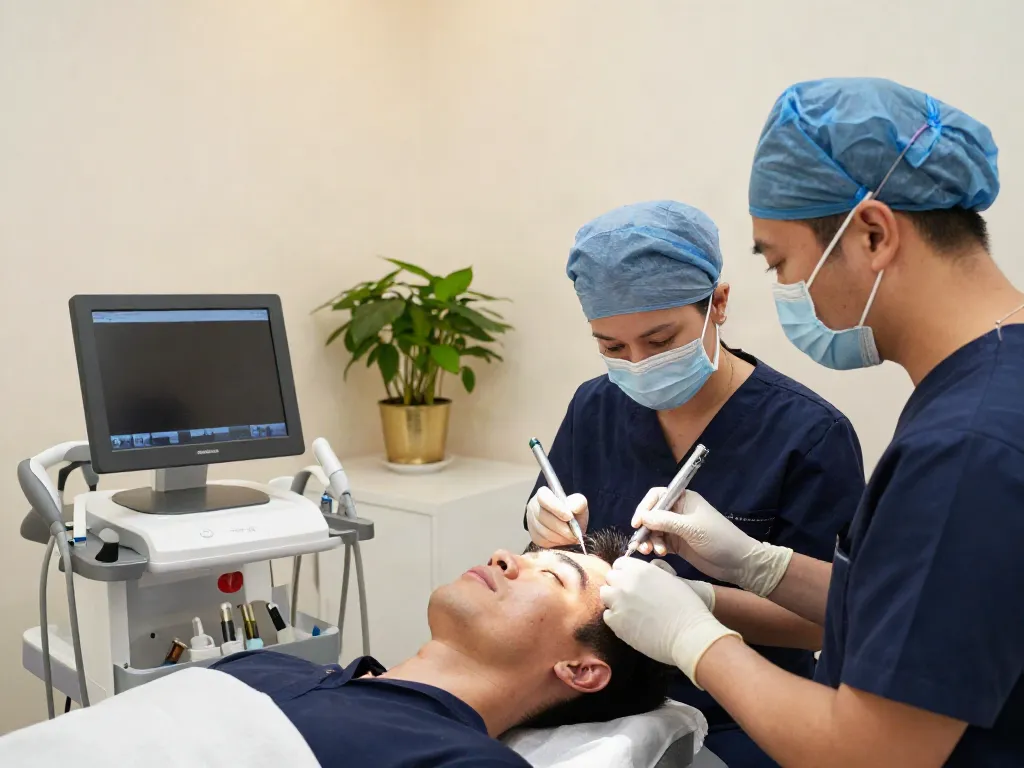
Understanding Hair Transplant Malaysia
If you're considering a hair restoration procedure, understanding your options and the landscape of Hair Transplant Malaysia is crucial. Hair transplants have gained immense popularity, particularly in Malaysia, where advanced techniques and competitive pricing make them an appealing choice for many. With various methods available, each with its unique advantages, it can be challenging to navigate through the options. This guide will delve into the essential aspects of hair transplants in Malaysia, covering the various techniques, costs, and the accreditation you should seek in a clinic.
What is a Hair Transplant?
A hair transplant is a surgical procedure that involves relocating healthy hair follicles from a donor area, usually the back or sides of the scalp, to areas where hair is thinning or balding. The primary aim is to restore a natural-looking hairline and density. This procedure is particularly effective for patients suffering from androgenetic alopecia, commonly known as male or female pattern baldness.
How Hair Transplants Work
The operation typically revolves around two main techniques: Follicular Unit Extraction (FUE) and Follicular Unit Transplantation (FUT). During FUE, individual hair follicles are extracted from the donor site using a specialized punch tool. In contrast, FUT involves removing a strip of scalp and dissecting it into individual grafts. Regardless of the method, each transplanted follicle retains its original genetic makeup, allowing it to grow in its new location just as it would have in its original site.
Benefits of Choosing Malaysia for Hair Restoration
- Cost-Effectiveness: Hair transplants in Malaysia are often significantly cheaper than those in Western countries, typically ranging from RM8,000 to RM30,000, or RM5 to RM15 per graft.
- Advanced Techniques: Malaysian clinics employ some of the latest, minimally invasive technologies, ensuring quick recovery times and natural results.
- Expertise: Many clinics are led by internationally recognized surgeons with extensive training and experience in hair restoration.
Types of Hair Transplant Techniques
Follicular Unit Extraction (FUE)
FUE is a popular minimally invasive method where individual hair follicles are extracted directly from the donor area using a small punch tool. This approach results in minimal scarring and shorter recovery times, making it ideal for those who prefer shorter hairstyles.
Follicular Unit Transplantation (FUT)
FUT is often regarded as a quicker method for obtaining a large number of grafts in a single session. It involves surgically removing a strip of scalp from the donor site, which is then dissected into individual follicular units. While it generally costs less per graft compared to FUE, it leaves a linear scar that may be visible if the hair is cut very short.
Direct Hair Implantation (DHI)
DHI is an advanced technique that combines extraction and implantation in one step. Using a specialized tool, the surgeon implants the grafts directly into the recipient area without the need for pre-made incisions. This method offers greater precision in hairline design but can be more labor-intensive, often resulting in higher costs.
Cost Factors for Hair Transplant Malaysia
Average Pricing for Different Techniques
The cost of hair transplants in Malaysia generally varies based on the technique used, the number of grafts required, and the clinic's reputation. FUE is typically more expensive than FUT, while DHI often stands at the higher end of the pricing spectrum. Patients can expect to pay anywhere from RM3 to RM15 per graft.
What Influences the Cost of Hair Transplants?
- Technique: The choice between FUE, FUT, and DHI can significantly affect the total cost due to differences in procedure complexity and time.
- Graft Count: More extensive hair loss will require a greater number of grafts, increasing overall costs.
- Clinic Expertise: Established clinics with high success rates may charge a premium due to their specialized skills.
Financing Options Available
Many clinics in Malaysia offer flexible financing options to help patients manage the costs of their hair restoration procedures. This can include installment payment plans or collaborations with financial institutions to provide low-interest loans for treatments.
Choosing the Right Clinic in Malaysia
Accreditation and Credentials to Look For
When selecting a clinic for your hair transplant, ensure it is accredited by the Ministry of Health Malaysia (MOH) and staffed by qualified surgeons. Look for certifications such as Fellow of the International Society of Hair Restoration Surgery (FISHRS) or Diplomate of the American Board of Hair Restoration Surgery (ABHRS), as these indicate a high level of expertise.
Patient Reviews and Success Stories
Before finalizing your decision, consider reading patient testimonials and success stories. This firsthand feedback can provide insight into the clinic's quality of care and level of patient satisfaction. Many clinics also showcase before and after results, which can help you gauge the potential outcomes of your procedure.
Consultation Process Overview
Most clinics offer an initial consultation to discuss your hair loss condition, desired outcomes, and the best treatment options for your specific needs. During this meeting, the surgeon will evaluate your hair and scalp, discuss potential techniques, and provide a detailed quote for costs. This is also the time to ask any questions related to recovery and any concerns you might have.
Future Trends in Hair Restoration
Innovative Techniques on the Horizon for 2026
The future of hair restoration is bright, with ongoing advancements in technology and techniques. Innovations such as stem cell therapy and improved graft preservation methods are expected to enhance the effectiveness and outcomes of hair transplants.
The Role of Technology in Hair Transplants
Technology plays a pivotal role in the evolution of hair restoration methods, from robotic-assisted surgeries that increase precision to 3D imaging that helps in planning surgeries. These advancements not only improve results but also pave the way for faster recovery times.
Predictions for Hair Restoration Practices
As awareness and demand for hair restoration procedures grow, clinics are likely to adopt more personalized treatment plans. This could involve genetic profiling to tailor methods that are best suited to individual patient needs, ensuring higher success rates and satisfaction.