Understanding Integrated Modular Systems
Integrated Modular Systems (IMS) represent a paradigm shift in how various functions are consolidated into unified frameworks, particularly in the realm of water treatment solutions. By streamlining complex operations into modular components, these systems enhance efficiency and reduce operational costs. As industries push for sustainability and improved performance, Integrated Modular Systems have become focal points for innovation. When exploring options, Integrated Modular Systems offer comprehensive insights into effective water treatment methodologies designed to tackle diverse challenges.
What Are Integrated Modular Systems?
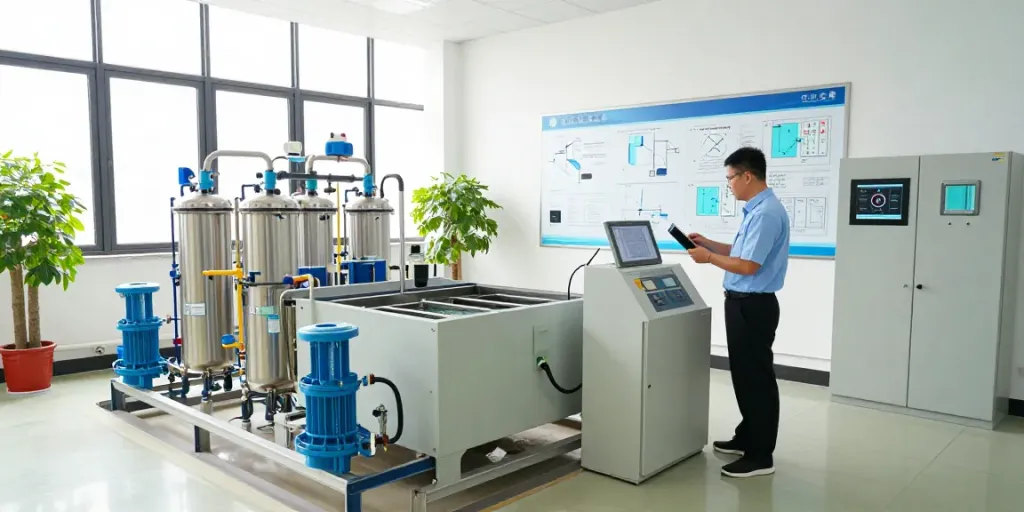
Integrated Modular Systems are collections of interconnected components that work together to fulfill specific operational requirements. In the context of water treatment, these systems comprise individual modules that can be easily assembled or disassembled, allowing for flexibility in design and functionality. They can include various treatment technologies such as filtration, chemical dosing, and sludge management, making them exceptionally versatile for different applications.
Key Components of Integrated Modular Water Treatment
The primary components of Integrated Modular Water Treatment Systems include:
- Filtration Modules: Various technologies such as microfiltration, ultrafiltration, and reverse osmosis tailored for specific water qualities.
- Chemical Dosing Systems: Precise dosing units that handle the addition of coagulants and flocculants to enhance sedimentation processes.
- DAF (Dissolved Air Flotation) Units: Essential for removing suspended solids and fats, oils, and greases from wastewater.
- Sludge Dewatering Systems: Technologies designed to reduce the volume of sludge, improving overall treatment efficacy.
The Historical Development of Modular Systems
The development of modular systems can be traced back to the need for more efficient industrial processes. Initially, modular systems emerged in the construction industry, aiming to reduce waste and time on-site. Over the decades, this concept expanded into numerous fields, including water treatment, where the demand for cost-effective and space-efficient solutions drove innovation, leading to the sophisticated Integrated Modular Systems we have today.
Benefits of QILEE's Integrated Modular System
Enhanced Efficiency and Performance
One of the foremost benefits of QILEE's Integrated Modular Systems is their enhanced efficiency. These systems are designed to operate cohesively, significantly improving treatment rates while reducing energy consumption. The integration of automation further optimizes performance, allowing for real-time adjustments based on influent conditions.
Cost-Effectiveness in Water Treatment Solutions
By consolidating various treatment processes into a unified system, QILEE's offerings help mitigate the capital and operational expenses associated with traditional water treatment facilities. The reduced footprint of modular components translates into lower installation costs and flexible pricing models that can be tailored to fit different budgets.
Scalability and Customization Options
The modular nature of these systems allows for easy scalability. As water treatment demands increase or change, additional modules can be integrated seamlessly into existing setups. This flexibility enables customers to tailor their systems to specific needs without committing to large upfront investments.
Core Offerings in Integrated Modular Water Treatment
Integrated Membrane Water Treatment System Features
The Integrated Membrane Water Treatment System represents a cutting-edge solution leveraging advanced membrane technology for the effective removal of contaminants. Key features include:
- High Filtration Efficiency: Capable of removing up to 99% of dissolved solids and pathogens.
- Low Operating Costs: Reduced energy usage and chemical consumption compared to traditional systems.
- Compact Design: Suitable for space-constrained environments while maintaining high throughput.
Overview of Chemical Treatment Systems
QILEE’s Chemical Treatment Systems employ a variety of chemicals to enhance physical and biological processes in wastewater treatment. The systems are equipped with:
- Automated Dosing: Ensures accuracy in chemical application, optimizing efficiency.
- Safety Mechanisms: Built-in features to prevent over-dosing and to monitor chemical levels continuously.
- Customization: Systems can be tailored to suit specific regulations or water quality requirements.
Advantages of DAF Integrated Treatment Systems
The DAF Integrated Treatment System combines physical and chemical treatment methods, offering several advantages:
- Effective Solids Removal: Particularly effective in treating wastewater with high concentrations of suspended solids.
- Rapid Treatment Times: Faster than conventional sedimentation processes, enhancing overall throughput.
- Reduced Footprint: The compact design facilitates integration into existing infrastructure.
Applications of Integrated Modular Systems
Industrial Wastewater Management
Integrated Modular Systems find extensive applications in industrial wastewater management, where they efficiently treat effluents from manufacturing processes. Industries such as food and beverage, pharmaceuticals, and textiles benefit from tailored solutions that reduce environmental impact while ensuring compliance with regulatory standards.
Municipal Water Treatment Solutions
Municipalities are increasingly turning to Integrated Modular Systems to modernize aging infrastructure. These systems allow cities to upgrade their treatment capabilities without large-scale construction projects. Furthermore, they can provide real-time analytics and remote management, enhancing operational oversight.
Specific Case Studies on Successful Implementations
Several case studies highlight the successful implementation of QILEE's Integrated Modular Systems:
- Case Study 1: A food processing plant reduced its wastewater discharge by 70% after integrating a DAF system with chemical dosing units.
- Case Study 2: A municipal water treatment facility improved its water quality metrics significantly after adopting a modular membrane system, achieving compliance ahead of schedule.
Future Trends in Integrated Modular Systems for 2026 and Beyond
Emerging Technologies and Innovations
The water treatment industry is on the brink of significant technological advancements. Innovations such as artificial intelligence for predictive maintenance and the use of IoT devices for real-time monitoring will become commonplace. Furthermore, advancements in membrane filtration technologies promise enhanced removal efficiency and lower energy consumption.
Predicted Industry Changes and Regulations
As environmental regulations become more stringent globally, the demand for efficient water treatment solutions will grow. Cities and industries alike will be compelled to adopt Integrated Modular Systems that not only meet regulatory standards but also promote sustainability.
Preparing for the Next Generation of Modular Systems
Organizations must prepare for the next generation of Integrated Modular Systems by investing in R&D and workforce training. Keeping abreast of technological advancements and regulatory changes will position companies to leverage modular solutions effectively and maintain competitiveness in a rapidly evolving market.