Understanding the Importance of Oil Absorbents
In industries where spills of petroleum-based substances are common, having reliable oil absorbents is not just beneficial—it's necessary. The bro150 is an innovative solution that addresses the challenges of managing oil spills efficiently and effectively. As industrial operations expand, the need for high-quality absorbents grows, making it vital to understand how products like the bro150 can aid in spill management.
What is the bro150 and Its Applications?
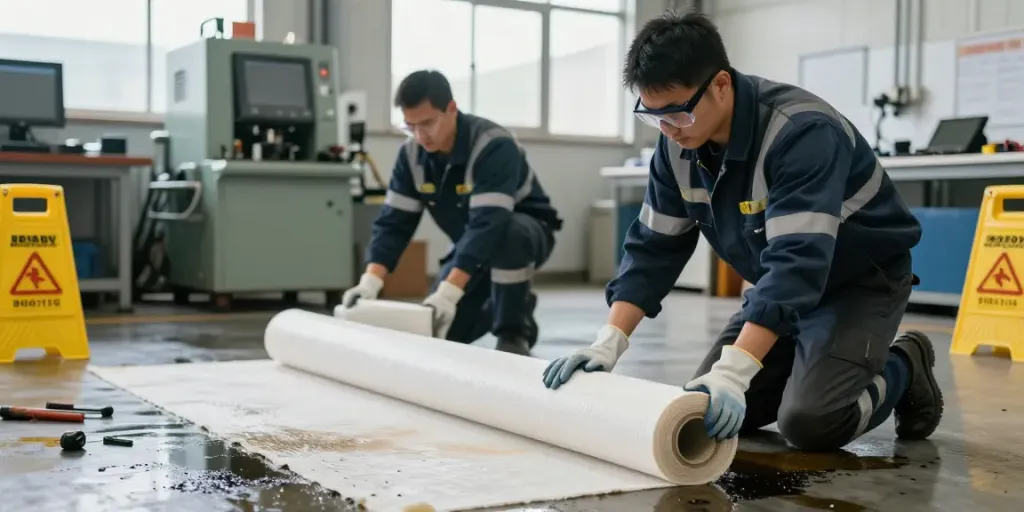
The bro150 is a heavyweight oil absorbent roll designed specifically for industrial applications. With a size of 30 inches wide by 150 feet long, it holds an impressive absorbency capacity of up to 38 gallons. This absorbent product is particularly effective for quickly containing and cleaning up oil spills, making it ideal for use in manufacturing, automotive, and chemical industries, where such incidents can lead to serious hazards and compliance issues. Its design features a dimpled surface that enhances liquid capture, ensuring that spills are managed swiftly and efficiently.
Common Oil Spill Scenarios in Various Industries
Different industries face unique challenges when it comes to oil spills, and understanding these scenarios can help in selecting the appropriate absorbent products. Here are a few common situations:
- Manufacturing Facilities: Equipment leaks, spills during storage, and daily operations often lead to oil spills.
- Automotive Workshops: Frequent oil changes and maintenance tasks can result in spills that need immediate attention to prevent slips and contamination.
- Chemical Plants: Handling and transferring oils and chemicals pose significant spill risks, requiring robust absorbent solutions.
Key Features of Effective Absorbents
When selecting an oil absorbent, several features should be considered:
- Absorbency Rate: How effectively the product can absorb liquids, which is critical in preventing hazards.
- Durability: Longevity and strength during use, especially in demanding environments.
- Environmental Impact: The ability to use absorbents that are manufactured in a sustainable manner.
Choosing the Right Absorbent for Your Needs
Comparing Different Types of Oil Absorbents
The market offers various types of oil absorbents, including pads, rolls, and loose absorbents. Comparing these options can help determine the best fit:
- Absorbent Pads: Ideal for small spills and easy to handle.
- Absorbent Rolls: Provides flexibility for large spills and can be cut to size.
- Loose Absorbents: Typically used for larger scale incidents, but may require more handling.
Factors to Consider When Selecting an Absorbent
Several factors influence the choice of an absorbent product, including:
- Type of Liquid: Consider whether the liquid is non-petroleum-based or oil-based.
- Volume of Spill: Determine the size and extent of potential spills to select an adequately sized absorbent.
- Environmental Regulations: Ensure compliance with local and federal regulations concerning spill management.
bro150 Versus Other Absorbent Products
The bro150 stands out compared to other absorbents such as standard pads or lower-grade rolls. Its unique combination of a heavy-duty design, significant absorbency capacity, and specialized dimpled surface makes it a superior option for demanding spill management tasks. Additionally, it is tailored for oil-only applications, ensuring that users can effectively deal with petroleum-based liquid spills without the complications that might arise from using multi-purpose absorbents.
Implementing Best Practices for Spill Clean-Up
Step-by-Step Guide to Using bro150 Rolls
Proper use of the bro150 can make cleanup efficient and safe. Here’s a step-by-step guide:
- Assess the Spill: Evaluate the extent of the spill and identify any hazards.
- Unroll the Absorbent: Cut the appropriate length of the bro150 roll and place it over the spill.
- Apply Pressure: Ensure the absorbent makes good contact with the liquid for maximum absorption.
- Dispose of Used Material: Follow local regulations for disposal of absorbent material after use.
Safety Tips for Handling Oil and Absorbents
Safety should always be a priority during spill cleanup. Here are some essential tips:
- Wear Personal Protective Equipment (PPE): Gloves, goggles, and other protective gear are crucial.
- Ensure Adequate Ventilation: If working in enclosed spaces, ensure proper ventilation to avoid inhaling fumes.
- Follow Proper Disposal Procedures: Be aware of regulations concerning the disposal of absorbents, especially those contaminated with hazardous materials.
Maintenance and Disposal of Absorbents
Maintaining the effectiveness of oil absorbents is vital. Store absorbent rolls in a cool, dry place away from direct sunlight and potential contaminants. Additionally, always adhere to local regulations when disposing of used absorbent materials to ensure environmental safety and compliance.
Future Trends in Oil Absorbent Technology
Innovations Expected by 2026
The landscape of oil absorbent technology is evolving rapidly. By 2026, we can expect advanced materials that enhance absorbency rates and reduce environmental impact. Innovations such as biodegradable absorbents and smarter materials that change color upon saturation are on the horizon, promising to revolutionize how oil spills are managed.
Sustainable Practices in Spill Management
Environmental awareness is driving the industry toward more sustainable practices. Manufacturers are increasingly focusing on eco-friendly materials and processes, incorporating recycled content into their products, and ensuring that their absorbents meet stringent environmental standards.
The Role of Technology in Spill Response
Emerging technologies, including real-time monitoring systems and AI-based spill detection, are set to enhance spill response efficiency. These technologies can help identify spills faster and allow for proactive measures to be taken, minimizing environmental impact and improving safety.
Case Studies: Success Stories with bro150
Industrial Applications of bro150 in Real Situations
Several industries have successfully implemented the bro150, showcasing its effectiveness. For instance, one automotive industry leader reported a dramatic reduction in spill-related incidents after switching to the bro150 absorbent rolls, highlighting its efficiency in managing frequent oil changes.
Customer Feedback: Effectiveness and Performance
Customers have consistently praised the bro150 for its high absorbency rate and ease of handling. Many have noted that it effectively drains oil while remaining intact, allowing for easier cleanup without the debris often left by lesser products.
Lessons Learned from Real-World Applications
Real-world application of absorbents teaches valuable lessons. Users have found that regular training on spill response, including proper use of products like the bro150, significantly enhances workplace safety and reduces response time in emergencies.
How to Measure the Success of Your Spill Management
Success in spill management can be measured through a variety of metrics, including:
- Reduction in spill incidents
- Time taken to respond to spills
- Effectiveness of cleanup efforts
- Compliance with environmental regulations
FAQs
What makes the bro150 absorbent unique?
The bro150 is distinguished by its heavy-duty construction and high absorbency rate, making it particularly effective for oil-only spills.
How should I store absorbent rolls?
Store absorbent rolls in a cool, dry place and away from direct sunlight to maintain their integrity and effectiveness.
Can bro150 be used for other types of liquids?
While the bro150 is designed primarily for oil-based liquids, it may also work for some non-water soluble chemicals; however, it's best to check product specifications for compatibility.
What is the shelf life of absorbent products?
Generally, absorbent products like the bro150 have a shelf life of approximately five years if stored properly, but it’s essential to check manufacturer recommendations.
How to ensure safety during a spill cleanup?
Always use appropriate PPE, follow proper procedures, and ensure that emergency response plans are in place to ensure safety during spill cleanups.