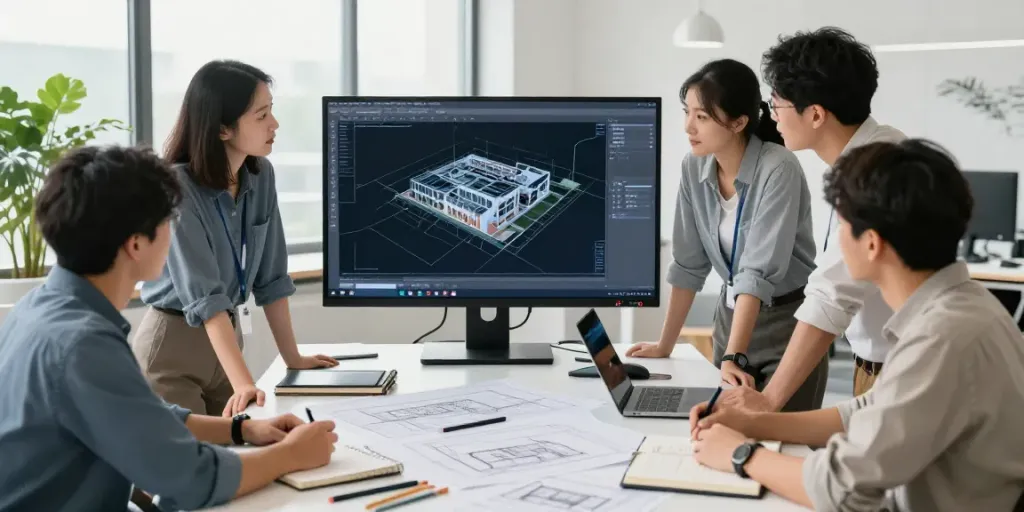
Understanding Architectural BIM Modeling Services
As the architectural industry continues to evolve, the significance of Building Information Modeling (BIM) cannot be overstated. Architectural BIM modeling services represent a critical advancement in how architects, engineers, and construction professionals design, communicate, and collaborate on projects. These services enable teams to create detailed digital representations of physical and functional characteristics of places using 3D modeling. When exploring options, architectural bim modeling services provide comprehensive insights that assist in navigating complex project requirements.
What are Architectural BIM Modeling Services?
Architectural BIM modeling services encompass a variety of processes aimed at creating a digital representation of a building or infrastructure. This includes 3D modeling, where every aspect of the structure is represented in digital format, allowing for deep analysis and enhancements in design quality. The services typically involve a suite of tools and workflows that support the entire lifecycle of a project—from conception to demolition.
The Importance of Building Information Modeling in Architecture
BIM is becoming a cornerstone of modern architectural practices. It enhances visualization, improves project efficiency, and facilitates better collaboration among stakeholders. Architects use BIM for:
- Design visualization: Creating immersive 3D models that convey the aesthetics and functional aspects of the design.
- Clash detection: Identifying potential conflicts in the design phase, which can minimize costly revisions during construction.
- Integrated project delivery: Supporting collaboration between various disciplines, including architects, engineers, and contractors.
Key Technologies Used in BIM Modeling
Several advanced technologies underpin architectural BIM modeling services, including:
- 3D Modeling Software: Tools like Autodesk Revit, ArchiCAD, and SketchUp are commonly used to create detailed models.
- Virtual Reality (VR) and Augmented Reality (AR): These technologies enhance visualization and allow stakeholders to experience a project before construction.
- Cloud Computing: Facilitates collaboration by allowing multiple users to access and work on the same project from different locations.
Benefits of Architectural BIM Modeling Services
Increased Efficiency and Cost Savings
One of the most significant benefits of utilizing architectural BIM modeling services is the marked increase in efficiency across project phases. By streamlining workflows and enhancing collaboration, BIM helps to reduce the time and resources required for traditional design and construction processes. Additionally, the accurate data provided by BIM can lead to significant cost savings by minimizing waste and reducing change orders.
Improved Collaboration Among Stakeholders
BIM fosters improved communication and collaboration among stakeholders, including architects, engineers, contractors, and clients. This integrated approach encourages feedback, allowing for adjustments to be made early in the process, which can enhance overall project outcomes. The shared platform that BIM provides ensures that everyone is on the same page, reducing misunderstandings and promoting teamwork.
Enhanced Visualization and Design Quality
The visual capabilities of BIM allow for superior design quality through enhanced visualization. Architects can create detailed 3D models that accurately represent their vision, enabling clients to better understand the project. This clarity can lead to more informed decision-making and ultimately a design that meets or exceeds client expectations.
Common Challenges in Adopting BIM Services
Resistance to Change in Traditional Practices
Despite its advantages, the transition to BIM can be met with resistance. Many professionals in the architectural field may be accustomed to traditional 2D drafting methods and are hesitant to adopt new technologies. This resistance can stall the integration of BIM into practices which can delay project timelines and inhibit the potential benefits of embracing modern workflows.
High Initial Investment Costs
Implementing BIM services often comes with high upfront costs, including software licensing, training, and hardware upgrades. These expenses can be prohibitive for smaller firms or those operating on tight budgets. However, it is essential to view these costs as an investment in the future, as the long-term savings and efficiency gains can far outweigh initial outlays.
Need for Training and Skill Development
For a successful transition to BIM, firms must commit to ongoing training and skill development for their teams. The learning curve can be steep, and without proper training, the benefits of BIM may not be fully realized. Investing in professional development programs ensures that staff members are well-equipped to leverage BIM technologies effectively.
Best Practices for Implementing BIM Services
Choosing the Right BIM Software for Your Needs
Selecting the appropriate BIM software is crucial for successful implementation. Different tools offer various functionalities, so it’s important to assess the specific needs of your projects. Consider factors such as ease of use, compatibility with existing tools, and the level of support provided by the software vendor.
Establishing Clear Communication Channels
Effective communication is key to ensuring that all stakeholders are aligned throughout the project lifecycle. Establishing clear communication protocols will help mitigate misunderstandings and keep projects moving smoothly. Tools that integrate with BIM platforms can facilitate better communication among team members.
Training and Continuous Learning for Teams
Ongoing training and support are essential to maximizing the benefits of BIM. Provide team members with access to training sessions, webinars, and resources that can enhance their skills. Encouraging a culture of continuous learning will ensure that teams remain proficient in BIM technologies and best practices.
Future Trends in Architectural BIM Modeling Services
Emerging Technologies in Architectural Design (2026 and Beyond)
The future of architectural design is being shaped by emerging technologies that enhance BIM capabilities. Innovations such as 3D printing, advanced robotics in construction, and modular building techniques are likely to alter how architectural projects are conceived and executed. These technologies promise to improve efficiency and sustainability in the built environment.
The Role of AI and Machine Learning in BIM
Artificial Intelligence (AI) and machine learning are poised to transform the BIM landscape. These technologies can analyze vast amounts of data to predict project outcomes, optimize designs, and automate mundane tasks, freeing architects to focus on creativity and innovation. The integration of AI will likely lead to smarter, more efficient project delivery methods.
Sustainability Considerations in BIM Practices
As the focus on sustainable architecture increases, BIM will play a critical role in supporting green building initiatives. BIM allows for the analysis of energy efficiency, material sustainability, and lifecycle impacts. By incorporating sustainability metrics into the BIM process, architects can make more informed choices that align with environmental goals.
What is the cost of BIM modeling?
The cost of BIM modeling services can vary widely depending on the complexity of the project, the level of detail required, and the specific services utilized. Firms should conduct thorough assessments of their project needs to determine appropriate budgeting for BIM services.
Is BIM replacing CAD?
While BIM is not entirely replacing Computer-Aided Design (CAD), it is undoubtedly changing the landscape of architectural design. BIM provides a more comprehensive approach to design and management, while CAD remains a valuable tool for 2D drafting and simpler projects. The two technologies can complement each other in many cases.
What are the applications of BIM modeling services?
BIM modeling services have applications beyond traditional architecture. These services are utilized in construction management, facility management, and urban planning. By leveraging BIM, firms can create detailed models that facilitate better decision-making across various disciplines.
What is a BIM modeler's salary?
The salary of a BIM modeler can vary based on experience, location, and the complexity of the projects they work on. Generally, BIM professionals command competitive salaries that reflect their specialized skills, with ongoing demand for these roles in the architectural and construction sectors.
How can I find BIM modeling services near me?
Finding local BIM modeling services can be achieved through online searches, professional networks, and industry associations. Websites that list architectural firms or construction services often provide insights into local BIM capabilities, helping you make informed choices for your projects.